Keeping Warm: Tips for Handling German Winters (Heating, Clothing)
The shock of your first German winter usually hits right around mid-November when the sun disappears at 4:00 PM and the damp, bone-chilling cold begins to seep through your apartment windows. I remember my first year in Berlin, shivering in a stylish but useless wool coat, wondering why my bedroom walls felt like blocks of ice despite the radiator being on full blast. This guide breaks down the essential strategies for mastering the radiator, layering like a local, and surviving the psychological "grey" of a German winter.
Disclosure: This post may contain affiliate links. We may earn a commission at no extra cost to you if you make a purchase through these links. Read full disclosure.
The Reality of the German Winter Experience
German winters are less about extreme sub-zero temperatures and more about a persistent, damp chill accompanied by a relentless grey sky. While the southern regions like Bavaria might get picturesque snow, much of the country deals with the "Schmuddelwetter"—a mix of rain, sleet, and wind. The cold isn't just something you face outside; because of the way buildings are constructed, managing your indoor climate becomes a daily ritual.
The transition from autumn to winter is often where expats struggle the most. You aren't just dealing with a drop in temperature; you are dealing with a drastic reduction in daylight. By the time December rolls around, you might only see a few hours of weak sunlight. Understanding this shift is the first step in preparing your wardrobe and your home. If you are still in the process of moving, using a service like Wunderflats can be a lifesaver because their furnished apartments often come with modern heating systems and thick windows, which takes a lot of the guesswork out of your first winter.
Mastering Your Home Heating System
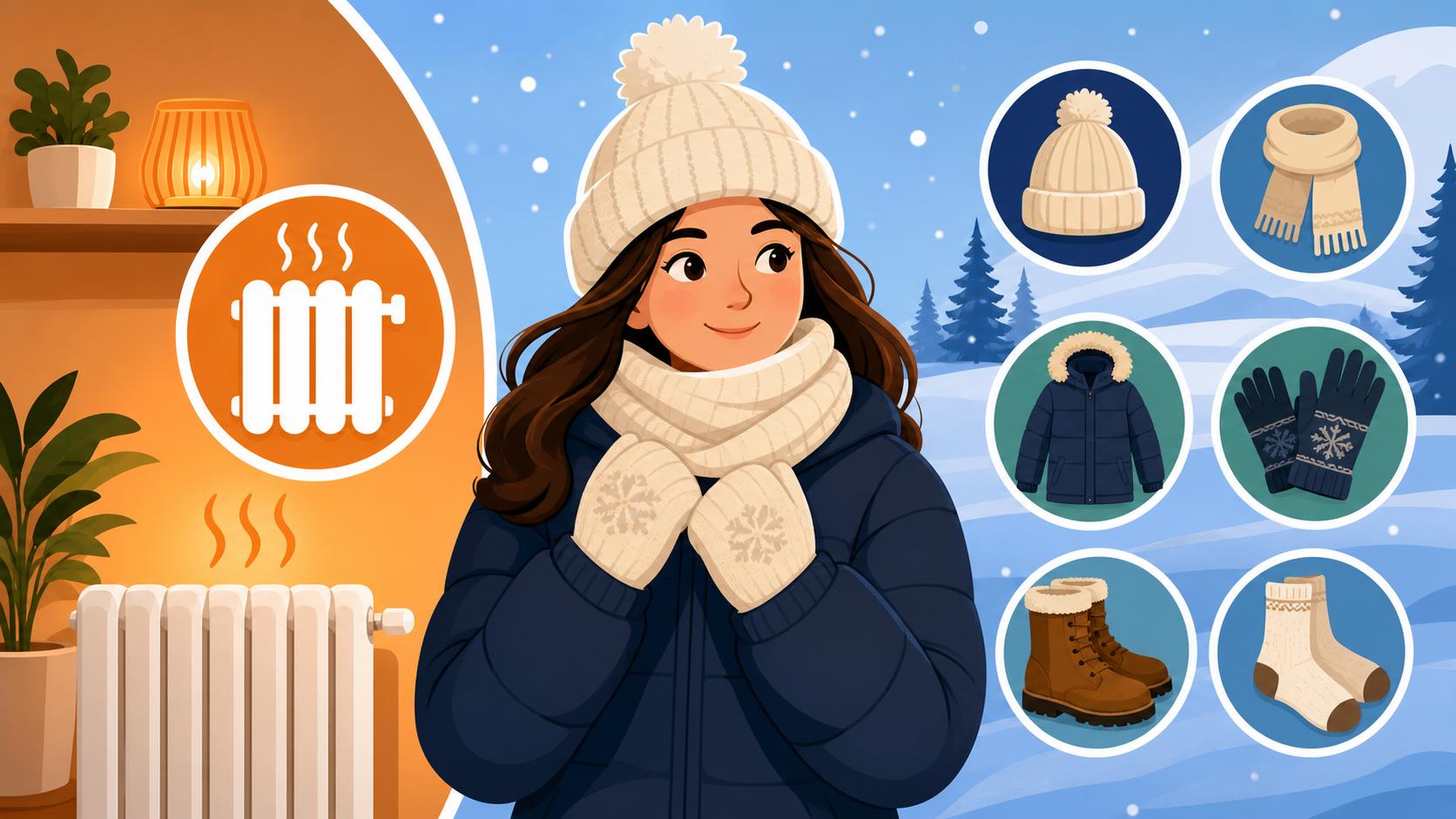
In Germany, most apartments use water-based radiators called Heizkörper. These aren't just "on" or "off" switches; they are controlled by a thermostatic valve with numbers usually ranging from 1 to 5. Many newcomers make the mistake of turning the dial to 5, thinking it will heat the room faster. In reality, the number corresponds to a target temperature. Setting it to 3 typically maintains a comfortable 20°C. If you leave it on 5, the radiator will simply keep pumping heat until the room reaches roughly 28°C, which is a guaranteed way to see your Cost of Living in Germany: Budgeting Guide for Expats skyrocket.
The "snowflake" symbol on the dial is another crucial feature. This is the frost protection setting. Even if you are away for the weekend, you should never turn your heating completely off. If the pipes freeze and burst, you could be liable for massive damages. Keeping it on the snowflake setting ensures the water stays just above freezing. If you find your radiators are making a clicking or gurgling sound, they likely have air trapped inside. You’ll need a small "Heizungsschlüssel" (radiator key), which you can easily find on Amazon Germany, to bleed the air out and restore efficiency.
The Art of Stoßlüften and Mold Prevention
One of the biggest cultural shocks for foreigners is the German obsession with "Stoßlüften"—shock ventilation. Because German windows are incredibly airtight, moisture from cooking, showering, and even breathing gets trapped inside. If you keep the heat on high and the windows closed all winter, you will almost certainly develop "Schimmel" (mold) in the corners of your rooms. This is a nightmare for your health and your security deposit.
The technique involves opening all your windows wide for 5 to 10 minutes, twice a day, to create a cross-breeze. This replaces the humid indoor air with dry outdoor air. Because the dry air is easier to heat than damp air, your room will actually feel warmer more quickly after you close the windows. Mastering this balance is essential for Healthy Living in Germany: Wellness, Fitness, and Mental Health Guide during the months when you spend most of your time indoors.
| Heating Setting | Target Temperature | Best Use Case |
|---|---|---|
| * (Snowflake) | 6-7°C | Preventing frozen pipes when away |
| 1 | 12°C | Basement or rarely used storage rooms |
| 2 | 16°C | Bedrooms for cool, healthy sleep |
| 3 | 20°C | Living rooms and home offices |
| 4 | 24°C | Bathrooms or for those who feel the cold |
| 5 | 28°C | Rarely needed; extremely expensive |
Essential Winter Clothing and the Onion Principle
Germans have a saying: "There is no such thing as bad weather, only bad clothing." To survive a commute in Hamburg or a walk in the Black Forest, you must adopt the "Zwiebelprinzip" or the onion principle. This involves layering your clothing so that you can trap heat between layers and easily shed them when you enter a sweltering U-Bahn carriage or office.
Your base layer is the most important. Avoid cotton at all costs; it absorbs sweat and stays cold. Instead, look for merino wool or high-quality synthetic thermals. You can find a vast selection of these on Amazon Germany if you don't have time to visit a local sporting goods store. Over this, add a middle layer like a fleece or a wool sweater. Finally, your outer shell must be windproof and waterproof. A stylish trench coat might look great in October, but by January, you will want a parka that covers your thighs and has a sturdy hood.
Don't overlook your feet. The cobblestone streets in many German cities are notorious for conducting cold directly into the soles of your shoes. Invest in boots with thick rubber soles and enough room for wool socks. If your feet get cold, your whole body will feel miserable, which can really dampen your spirits when Settling in Quickly: A Newcomer’s Checklist for Your First Weeks in Germany.
Creating a Cozy Sanctuary Indoors
When the world outside is grey and damp, your apartment needs to become a "Gemütlich" sanctuary. This German concept of coziness is more than just decor; it’s a survival strategy. Since many apartments come with hardwood or laminate floors, buying a few large rugs can significantly increase the perceived warmth of a room. Heavy curtains are also a smart investment, as they provide an extra layer of insulation against the glass at night.
Lighting plays a huge role in your mood. The harsh overhead "Kaltweiß" (cold white) LEDs found in many rentals can make a winter evening feel clinical and depressing. Switch to "Warmweiß" bulbs and use multiple lamps rather than one bright ceiling light. If you are staying in a apartment from Wunderflats, you’ll likely find that the lighting is already curated for comfort, but adding a few candles or a soft throw blanket can make a world of difference.
Staying Active and Healthy Despite the Cold
It is incredibly easy to become a hermit during a German winter, but this often leads to Dealing with Seasonal Affective Disorder: Coping with Dark Winters in Germany. The lack of Vitamin D is a real medical concern here. Many expats find that taking a Vitamin D supplement (after consulting with a doctor) and using a daylight lamp for 20 minutes in the morning helps maintain energy levels.
Make an effort to get outside during the few hours of daylight, even if it is cloudy. A "Winterspaziergang" (winter walk) is a national pastime for a reason. It keeps your circulation moving and breaks up the monotony of being indoors. If you find yourself struggling with the persistent darkness, don't hesitate to look into Mental Health Care in Germany: Finding Therapists and Psychologists for professional support.
Nutrition also shifts in the winter. This is the season of "Eintopf" (stew) and root vegetables. Eating warm, hearty meals helps maintain your core temperature. Visiting a local Christmas market for a "Glühwein" (mulled wine) or a "Kinderpunsch" is a great way to socialize, but remember that alcohol actually causes your body to lose heat faster, so don't rely on it to stay warm during long outdoor events.
Managing Utilities and the dreaded Nachzahlung
Heating is expensive in Germany, and it is usually part of your "Nebenkosten" (ancillary costs). Every year, you will receive an "Abrechnung" (statement) showing how much energy you actually used versus what you paid in your monthly flat rate. If you were over-enthusiastic with the heater, you might face a "Nachzahlung"—a back-payment that can sometimes reach hundreds of euros.
To avoid this, keep an eye on your consumption. If you are renting a modern place through Wunderflats, your utilities might be included in a flat rate, but it is still good practice to be mindful of energy use for environmental reasons. For those in traditional rentals, understanding Household Bills in Germany: Understanding Nebenkosten and Monthly Costs is vital for your financial planning. Using draft stoppers at the bottom of doors and ensuring your furniture isn't blocking your radiators can help the heat circulate more efficiently without needing to turn the dial up.
Dealing with the Psychological Impact of the Grey
The "Dunkelheit" (darkness) is often harder to handle than the actual temperature. In the depths of December, the sun might rise at 8:30 AM and set by 4:00 PM. If you work in an office, you might not see the sun for days at a time. This is where Healthy Living in Germany: Wellness, Fitness, and Mental Health Guide becomes especially relevant.
Establish a routine that forces you to interact with people. Join a local "Verein" (club) or a gym. This social interaction is a buffer against the winter blues. Many Germans also swear by the sauna culture to beat the winter chill. Visiting a local thermal bath or "Therme" allows you to thoroughly warm your bones and relax, which is a perfect way to handle the Healthcare Culture Shock: How Germany’s Medical System Differs from Other Countries regarding wellness and prevention.
Lastly, prepare for the transition back to spring. March can be a "teaser" month where one day is 15°C and sunny, followed by a week of snow. Don't pack away your heavy boots too early. Staying patient and maintaining your "Zwiebelprinzip" layering until at least mid-April will ensure you don't catch a late-season chill while Navigating Medical Care in Germany: Doctors, Hospitals, and Pharmacies.
Disclaimer
This guide is intended for informational purposes only. Heating systems and housing regulations can vary significantly depending on the age of your building and your specific rental contract. Always consult with your landlord or a professional technician if you experience issues with your heating system. For medical concerns related to Vitamin D or seasonal depression, please consult a qualified healthcare professional in Germany.