Unity Day and German Public Holidays
Oh, the infamous German public holidays! If you've just landed in Germany, you've likely already experienced that peculiar mix of delightful long weekends and utter frustration when you realize every single shop is bolted shut. It's not just a day off; it's a nationwide pause that can throw a wrench into your carefully laid plans, especially if you need groceries or a vital screw for your IKEA furniture on a Sunday, let alone a Feiertag. This guide is here to walk you through the labyrinth of Germany's public holiday calendar, from the history of German Unity Day to those sneaky regional holidays that catch even seasoned expats off guard, so you can stop sighing in front of closed supermarket doors and start embracing the unique rhythm of life here.
Disclosure: This post may contain affiliate links. We may earn a commission at no extra cost to you if you make a purchase through these links. Read full disclosure.
Understanding Germany's Public Holiday Landscape
Germany's approach to public holidays, or Feiertage, is something truly unique and often bewildering for newcomers. Unlike some countries where a holiday might mean shorter hours or specific sectors shutting down, in Germany, when it's a Feiertag, it's a Feiertag for nearly everyone. This isn't just about getting a day off work; it’s a deeply ingrained cultural practice that influences everything from your shopping habits to your travel plans.
The Significance of Feiertage (Public Holidays)
For expats, the term Feiertag quickly becomes synonymous with "everything closed, plan ahead." These aren't merely federal holidays like in some countries where you might still find convenience stores or certain businesses operating. In Germany, public holidays largely follow the strict Ladenschlussgesetz (Shop Closing Law), meaning most retail stores, supermarkets, and even bakeries after a certain morning hour, will be completely shut. This isn't just a minor inconvenience; it's a fundamental aspect of German life that you absolutely must adapt to.
Imagine waking up on a crisp autumn morning, realizing you're out of milk, and then hitting the streets only to find every single grocery store, butcher, and corner shop shuttered tight. It's a rite of passage for every expat. While it can be frustrating at first, it also forces you to slow down, enjoy the quiet, and perhaps even appreciate the collective pause. Most people use these days to spend time with family, enjoy nature, or simply relax at home. Understanding these unwritten rules is crucial to avoiding hunger pangs or a desperate search for forgotten essentials. Remember, these days are legally protected days of rest, and even working on them often comes with significant restrictions and higher pay for those in essential services. For more on how these days impact your professional life, you might want to read up on Public Holidays and Your Job: What You Need to Know (Vacation Planning).
Regional Differences in Germany's Public Holidays
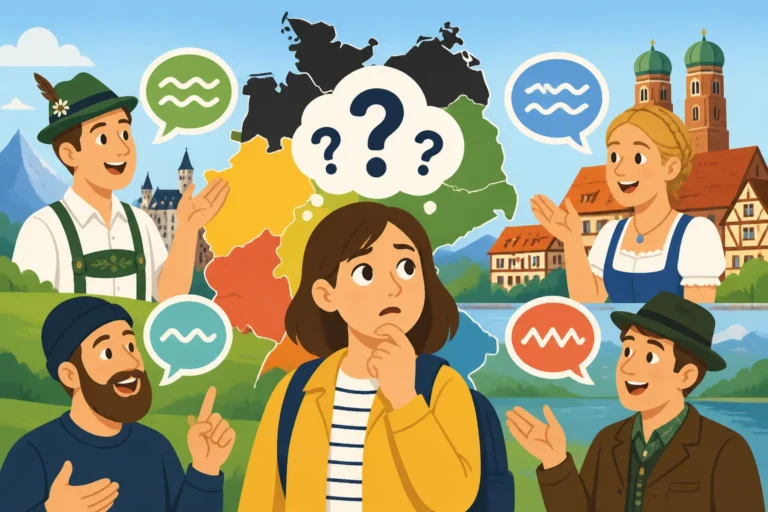
One of the trickiest aspects of German public holidays is that they aren't uniform across the entire country. Germany is a federal republic, and each of its 16 states, or Bundesländer, has the authority to determine some of its own public holidays, largely influenced by historical and religious traditions. This means a holiday in Bavaria might not be a holiday in Berlin, and vice versa. This regional variation can be a real headache if you live near a state border or plan to travel.
For example, states with a predominantly Catholic population, especially in the south like Bavaria and Baden-Württemberg, observe holidays such as Corpus Christi (Fronleichnam) and All Saints' Day (Allerheiligen), which are not public holidays in more Protestant-leaning states like Brandenburg or Schleswig-Holstein. Similarly, the Reformation Day (Reformationstag) on October 31st is a public holiday in several northern and eastern states, but not in all. It’s absolutely vital to know which state you're in (or will be traveling through) to accurately plan your days off, shopping, and any other activities. A quick search for "Feiertage [Bundesland Name]" can save you a lot of grief. This also extends to how many days of annual leave you have, as many employment contracts refer to statutory holidays in your specific region. Understanding your German Work Contracts: Probation, Notice Periods, and More can shed more light on this.
October 3rd: German Unity Day (Tag der Deutschen Einheit)
Among all the public holidays in Germany, October 3rd, German Unity Day, holds a very special place. Unlike many other holidays which have religious or historical roots stretching back centuries, Unity Day is a relatively modern commemoration, yet profoundly significant to the identity of contemporary Germany.
A Day of Historical Significance and National Pride
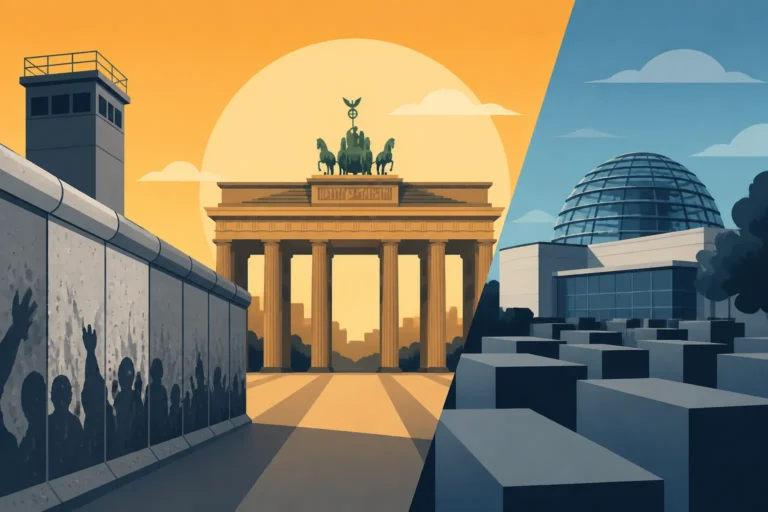
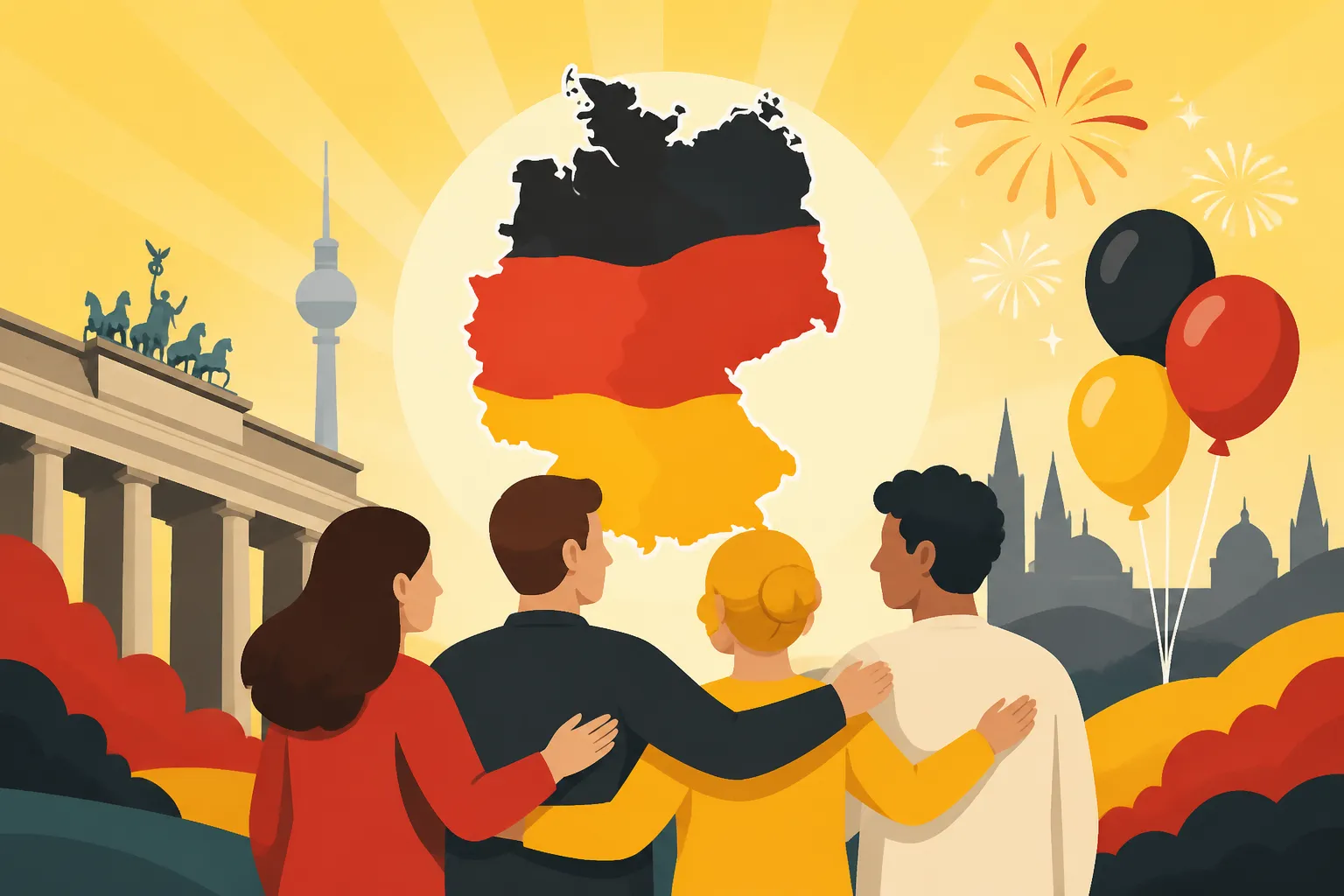
German Unity Day, or Tag der Deutschen Einheit, is observed annually on October 3rd and commemorates the formal act of German reunification in 1990. This was the day when the German Democratic Republic (East Germany) officially joined the Federal Republic of Germany (West Germany), effectively ending the division of Germany that had lasted for over four decades after World War II. It's the only federal holiday established by federal law, meaning it's observed nationwide in all 16 Bundesländer.
While it's a day of immense historical importance, for many Germans, it's not a day marked by massive parades or overt displays of nationalism like national days in some other countries. Instead, it's often a more reflective and understated observance. There are official ceremonies, typically hosted by the Bundesland that holds the presidency of the Bundesrat (Germany's upper house of parliament) that year. These events usually involve political speeches, cultural performances, and often fireworks. For the average German, however, it's simply a cherished day off work, a chance to spend time with family, perhaps take a short trip, or enjoy the autumn weather. The focus is less on grand celebration and more on appreciating the peace and freedom that came with unity. You might notice flags displayed, but it's not typically a boisterous street party.
How Unity Day Impacts Daily Life for Expats
For expats, German Unity Day is essentially a "super Sunday." Since it's a nationwide holiday, you can expect all shops, banks, post offices, and most public services to be closed. This is a day to absolutely ensure your fridge is stocked and any errands are completed the day before, October 2nd. Public transport generally operates on a Sunday schedule, so while you can still get around, frequencies will be reduced.
Many museums, art galleries, and some restaurants, especially in tourist areas, do remain open, offering cultural diversions for those looking to explore. It's a fantastic opportunity to take a day trip to a nearby city or explore a nature park, as many locals will have the day off too. However, if your plan involves shopping, bureaucracy, or anything that requires interaction with standard services, you'll be out of luck. Embrace the quiet; it’s a hallmark of German public holidays. If you're looking for something to do, check local city websites or cultural calendars. Services like GetYourGuide might list special tours or activities happening on this day, giving you some ideas for exploring.
Key National Public Holidays You Need to Know
Beyond German Unity Day, there are several other public holidays that are either observed nationwide or are so widespread that they significantly impact daily life across most of Germany. These are the days you absolutely need to mark on your calendar.
The Big Ones: Christmas, Easter, and New Year's
These are perhaps the most universally recognized and significant holidays, not just in Germany but across many Western cultures. However, Germany has its own distinct rhythm and rules around them that can surprise newcomers.
- Christmas (Weihnachten): Germany celebrates two official Christmas days: December 25th (Erster Weihnachtsfeiertag) and December 26th (Zweiter Weihnachtsfeiertag). What often catches expats off guard is Christmas Eve (Heiligabend) on December 24th. While not a public holiday, many businesses and shops close early, often by midday. December 25th and 26th are full public holidays, meaning absolutely everything is closed except for essential services, some restaurants, and public transport on a reduced schedule. It's a time for family gatherings, visiting Christmas markets (which typically close on the 24th), and enjoying festive meals. Be prepared for complete retail shutdown. For a deeper dive into the magic, explore Christmas in Germany: Traditions, Markets, and Holiday Tips for Expats.
- Easter (Ostern): Similar to Christmas, Easter in Germany spans several days. Good Friday (Karfreitag) and Easter Monday (Ostermontag) are both public holidays nationwide. Easter Sunday (Ostersonntag) is not an official public holiday, but like Christmas Eve, virtually all shops are closed due as it's a Sunday. The entire Easter weekend is therefore a period of closures, often creating a long four-day break. This is a popular time for Germans to travel within the country or to neighboring European destinations. Expect museums and restaurants to have varied opening times, and book transport tickets well in advance if you plan to move around.
- New Year's (Neujahr): January 1st is a nationwide public holiday, offering a much-needed recovery day after the Silvester (New Year's Eve) celebrations. As expected, shops are closed, and public transport runs on a Sunday schedule. New Year's Eve itself (December 31st) is not a public holiday, but like Christmas Eve, many businesses will close early, and public transport schedules can be disrupted by celebratory events. Planning ahead for groceries and other needs for both these days is highly advisable.
Other Important National Feiertage
Beyond the major festive seasons, Germany observes a handful of other national holidays that provide welcome breaks throughout the year.
- May Day / Labour Day (Tag der Arbeit): Celebrated on May 1st, this is a universal public holiday in Germany. It's a day often marked by political demonstrations and rallies by trade unions and various groups, particularly in larger cities like Berlin. Beyond the protests, it's a day off for most, signifying the arrival of spring and a chance to enjoy the outdoors. Shops are closed, and public transport is on a Sunday schedule.
- Ascension Day (Christi Himmelfahrt): This Christian holiday, 39 days after Easter Sunday, always falls on a Thursday. Conveniently, it's also traditionally Father's Day (Vatertag) in Germany, where groups of men often embark on excursions with handcarts (Bollerwagen) laden with beer and snacks. This creates a popular Brückentag (bridge day) for many employees who take Friday off to create a four-day weekend. This is an extremely popular time for short trips and mini-vacations, so roads can be busy, and accommodations booked up.
- Whit Monday (Pfingstmontag): Also known as Pentecost Monday, this holiday falls 50 days after Easter Sunday. It's the second day of the Pentecost celebration, creating another long weekend since Whit Sunday (Pfingstsonntag) is observed like any other Sunday. This, too, is a popular time for Germans to enjoy the spring weather, travel, or simply relax. Expect widespread closures and reduced public transport.
Regional Holidays: The State-Specific Staples
Navigating Germany's public holidays becomes truly complex when you account for the regional variations. These state-specific holidays are often rooted in historical religious affiliations, predominantly Catholic or Protestant. For expats, understanding these can be the difference between a spontaneous trip and a frustrated day spent in a ghost town.
Catholic vs. Protestant Influence on Regional Holidays
The religious landscape of Germany, historically divided, still dictates many of its regional public holidays. This division is most pronounced in the contrast between predominantly Catholic states in the south and west, and largely Protestant states in the north and east.
- Corpus Christi (Fronleichnam): This exclusively Catholic holiday falls on the second Thursday after Whit Sunday and is observed as a public holiday in Baden-Württemberg, Bavaria, Hesse, North Rhine-Westphalia, Rhineland-Palatinate, and Saarland. It’s often celebrated with parades and processions, and like Ascension Day, it frequently creates a Brückentag opportunity for a long weekend. If you’re living in one of these states, you get an extra day off compared to your friends in Berlin!
- All Saints' Day (Allerheiligen): On November 1st, this Catholic holiday commemorates all saints and is a public holiday in Baden-Württemberg, Bavaria, North Rhine-Westphalia, Rhineland-Palatinate, and Saarland. It’s a quieter, more reflective holiday, often involving visits to cemeteries. For those in these states, it means a day off, while neighbors in nearby non-Catholic states might be working.
- Reformation Day (Reformationstag): Celebrated on October 31st, this Protestant holiday commemorates Martin Luther's posting of the Ninety-five Theses. It's a public holiday in Brandenburg, Bremen, Hamburg, Mecklenburg-Vorpommern, Lower Saxony, Saxony, Saxony-Anhalt, Schleswig-Holstein, and Thuringia. What’s particularly interesting here is the potential for a "double whammy" in some areas. For example, if you live in a border region between a state that observes Reformation Day and one that observes All Saints' Day, you might find yourself with two consecutive public holidays, depending on your employer's policy! This unique situation highlights why checking local calendars is non-negotiable.
Planning Around Regional Public Holidays for Work and Travel
Given the mosaic of regional holidays, careful planning is absolutely essential, especially if you work or travel across state lines. If you're employed, your company will generally adhere to the public holidays observed in its registered Bundesland. This means even if you live in a state with a holiday, but your company is based in a neighboring state that doesn't observe it, you might still be expected to work (or vice-versa). Always clarify your employer's policy regarding Public Holidays and Your Job: What You Need to Know (Vacation Planning) to avoid any misunderstandings.
For travel, these regional differences offer both challenges and opportunities. On one hand, you might find attractions and shops open in one state while completely closed in another just a short train ride away. On the other hand, if you're looking for a quieter experience, knowing which states don't have a holiday can help you avoid crowds. If you're planning a trip during one of these regionally observed holidays, it's wise to double-check the specifics for your destination. Platforms like Omio are excellent for checking public transport schedules across different regions and even countries, helping you navigate these variances. For example, if you're traveling from Munich (Bavaria) to Stuttgart (Baden-Württemberg) during Corpus Christi, both states observe the holiday, so transport might be on a reduced schedule. But if you were traveling to Frankfurt (Hesse), you'd find it's also a holiday, while a trip further north to Berlin would mean business as usual. Checking these travel aggregators thoroughly can save you a lot of grief.
Navigating Life Around German Public Holidays
Mastering the art of living in Germany means learning to navigate its public holidays with grace. It’s not just about knowing when things are closed; it’s about understanding the underlying rhythms and how to make these days work for you.
The Sunday Rule and Its Impact on Shopping
The infamous "Sunday Rule" is probably one of the first cultural shocks many expats experience in Germany. Most retail stores, including supermarkets, are legally prohibited from opening on Sundays. Public holidays, with very few exceptions, operate under the same strict Ladenschlussgesetz. This means a Feiertag is essentially a "super Sunday" for shopping: absolutely nothing is open.
This isn't just about shops, either. Hairdressers, electronic stores, clothing boutiques – the whole retail spectrum grinds to a halt. While you might find a handful of small kiosks (Spätis) in bigger cities or gas station shops open for bare necessities, relying on them for your weekly shop is a recipe for disaster (and a lighter wallet). The implications are simple: you must do your grocery shopping and any other retail errands on the day before the holiday. If a public holiday falls on a Monday, that means you need to be stocked up by Saturday evening, as Sunday will be closed, followed by Monday. This requires a level of planning that might feel alien if you come from a country with 24/7 shopping. Embrace it. It’s a core part of Shopping on Sundays in Germany: What’s Open and How to Plan. Many Germans genuinely appreciate this enforced break, viewing it as a time to recharge and focus on non-commercial activities.
Public Transport and Travel During Holidays
While shops might be closed, public transport generally keeps running on public holidays, albeit on a reduced schedule. Think of it like a Sunday timetable. This applies to city buses, trams, U-Bahns (subways), S-Bahns (commuter trains), and even regional and long-distance trains operated by Deutsche Bahn.
If you plan to travel, especially by train, during a public holiday, booking in advance is highly recommended. Popular routes, particularly those leading to tourist destinations or across states for family visits, can get busy. The Deutsche Bahn website and their excellent DB Navigator app will show you specific holiday schedules. While you might not experience complete shutdowns, expect fewer connections and potentially longer waiting times. Services like Omio can also be invaluable for comparing different modes of transport and booking tickets efficiently, especially when dealing with slightly altered holiday schedules. For international travel out of Germany during a holiday, check specific airport and airline information, as flight schedules are typically less affected than domestic ground transport, but access to airports might require careful planning if relying on public transit. For more detailed insights into navigating Germany's rail system, check out our guide on Deutsche Bahn Guide: Using Trains for City and Long-Distance Travel. For bus options, our guide on Long-Distance Buses in Germany: FlixBus and Networks can also be helpful.
Maximizing Long Weekends and Bridge Days (Brückentage)
Germans are masters of the Brückentag, or "bridge day." This refers to taking a single day of annual leave to "bridge" a public holiday that falls on a Thursday or Tuesday to create a long four-day weekend. For instance, if Ascension Day (Christi Himmelfahrt) is on a Thursday, taking Friday off creates a magnificent four-day break. Similarly, if a holiday falls on a Tuesday, taking the Monday off does the trick.
These strategic Brückentage are incredibly popular and often booked far in advance in workplaces. If you want to capitalize on them, make sure to submit your vacation requests early! They are fantastic opportunities for short trips within Germany or quick getaways to neighboring European countries. This is when platforms like Booking.com really shine for finding accommodation, or GetYourGuide for discovering activities in popular destinations. You'll notice many Germans hitting the roads or trains during these periods, so travel planning well in advance (including booking transport and accommodation) is crucial to avoid disappointment and inflated prices. Understanding and utilizing Brückentage is a key skill for a happy expat life in Germany, turning what might be just a single day off into a mini-vacation.
Practical Tips and What to Expect
Living in Germany means integrating these holiday rhythms into your daily life. It’s about more than just remembering dates; it’s about practical adjustments and embracing the unique quietude these days bring.
Stocking Up and Emergency Preparedness
The most crucial practical advice for any public holiday in Germany is simple: stock up. This applies especially to groceries. Don't underestimate the collective shutdown. If a holiday falls on a Monday, and you haven't shopped by Saturday evening, you'll be relying on whatever meager supplies you have or a desperate search for an open gas station shop.
Beyond food, think about other essentials. Do you need any over-the-counter medications? Pharmacies (Apotheken) operate on an emergency service rotation (Notdienst) on Sundays and public holidays, meaning only a few will be open in any given area, and often only for limited hours. Knowing where your nearest Notdienst Apotheke is located can be a lifesaver in a pinch. Our guide on Pharmacies in Germany (Apotheke): How to Get Medication and Advice and Emergency Pharmacy Finder: Getting Medicine After Hours in Germany will be invaluable here. For real emergencies, the general emergency number 112 for ambulance and fire services, and 110 for police, are always operational. However, for non-life-threatening medical issues, there's also the nationwide medical on-call service at 116117.
Embracing the Holiday Spirit: Activities and Closures
While shopping and bureaucracy come to a halt, public holidays in Germany are not about being bored. They are designed for rest, family, and leisure. Many cultural institutions, such as museums, art galleries, and sometimes even cinemas, remain open on public holidays, particularly in larger cities. Restaurants, especially those catering to tourists or specializing in traditional German fare, also tend to be open, though it's always a good idea to check their specific holiday hours and perhaps make a reservation.
Parks, hiking trails, and recreational areas will be bustling with families and individuals enjoying the day off. It's a fantastic opportunity to explore your local area, go for a long walk or bike ride, or visit a historical site. Keep an eye on local event calendars – sometimes there are special concerts, markets (though not regular shopping ones), or community events planned for holidays. For example, during Easter, you might find specific Easter markets or events for children. Understanding Festivals, Holidays, and Traditions in Germany can help you find interesting ways to participate or simply observe. These days also offer a chance to really delve into German Food Culture: Eating and Drinking as a Visitor by trying out a new restaurant or perfecting your own traditional German recipes at home.
| Holiday Name | Date/Timing | Nationwide/Regional | Key Significance | Typical Impact on Expats |
|---|---|---|---|---|
| New Year's Day | January 1 | Nationwide | Start of the new year | Shops closed, Sunday public transport, quiet. |
| Good Friday | Varies (before Easter) | Nationwide | Christian holy day | Shops closed, Sunday public transport, quiet. |
| Easter Monday | Varies (after Easter) | Nationwide | Christian holy day | Shops closed, Sunday public transport, quiet. |
| Labour Day | May 1 | Nationwide | Workers' rights, start of spring | Shops closed, Sunday public transport, potential demonstrations. |
| Ascension Day | Varies (39 days after Easter, always a Thursday) | Nationwide | Christian holiday, Father's Day | Shops closed, Sunday public transport, popular for "Brückentag" long weekends. |
| Whit Monday | Varies (50 days after Easter) | Nationwide | Christian holiday | Shops closed, Sunday public transport, popular for long weekends. |
| Corpus Christi | Varies (after Whit Sunday, always a Thursday) | Catholic states (e.g., Bavaria, NRW) | Catholic holy day | Shops closed in specific states, popular for "Brückentag" long weekends. |
| German Unity Day | October 3 | Nationwide | German reunification | Shops closed, Sunday public transport, often quiet observance. |
| Reformation Day | October 31 | Protestant states (e.g., Brandenburg, Saxony) | Protestant holy day | Shops closed in specific states. |
| All Saints' Day | November 1 | Catholic states (e.g., Bavaria, NRW) | Catholic holy day | Shops closed in specific states, quiet and reflective. |
| Christmas Day | December 25 | Nationwide | Christian holy day | Shops closed, Sunday public transport, family time. |
| St. Stephen's Day (2nd Christmas Day) | December 26 | Nationwide | Christian holy day | Shops closed, Sunday public transport, family time. |
Disclaimer
The information provided in this guide is for general informational purposes only and does not constitute legal, financial, or professional advice. Public holiday regulations, especially regional ones, can change, and individual circumstances regarding employment contracts or visa requirements may vary. Always consult official sources, local authorities, or a qualified professional for the most accurate and up-to-date information relevant to your specific situation.