Dresden and Leipzig: Saxony’s Cultural Cities
Germany, a country often celebrated for its majestic Bavarian Alps, the bustling metropolis of Berlin, or the financial powerhouse of Frankfurt, holds many lesser-known but equally captivating treasures for expats and tourists. For those looking beyond the usual suspects, the charming and culturally rich cities of Dresden and Leipzig in Saxony offer an incredible dive into German history, art, and modern vibrance, but it can be hard to know where to start. This comprehensive guide will lead you through these two distinct yet equally fascinating cities, helping you unlock their unique charms.
Disclosure: This post may contain affiliate links. We may earn a commission at no extra cost to you if you make a purchase through these links. Read full disclosure.
Welcome to Saxony's Cultural Jewels: Dresden & Leipzig
When you first land in Germany, you're usually pointed towards Berlin's gritty cool, Munich's traditional charm, or the Rhineland's wine valleys. And while those places are fantastic, they don't tell the whole story of Germany's incredible diversity. Saxony, a state in the eastern part of the country, often gets overlooked, but it's a real gem, especially for those of us who appreciate a good dose of culture, history, and a touch of the unexpected.
Why Saxony? More Than Just Berlin or Munich
Saxony is a region that has truly seen it all, from royal splendor and industrial might to wartime devastation and Cold War resilience. This rich, often tumultuous past has shaped a unique cultural landscape that feels distinct from the rest of Germany. You'll find a different kind of hospitality, a proud local identity, and a fascinating blend of reconstructed history and innovative modernity. For expats and seasoned travelers, exploring Saxony offers a fresh perspective, away from the well-trodden tourist paths, revealing layers of German identity you might not encounter elsewhere. It’s where history feels palpable, and the arts are deeply embedded in the everyday fabric of life.
What Makes Dresden and Leipzig Unique?
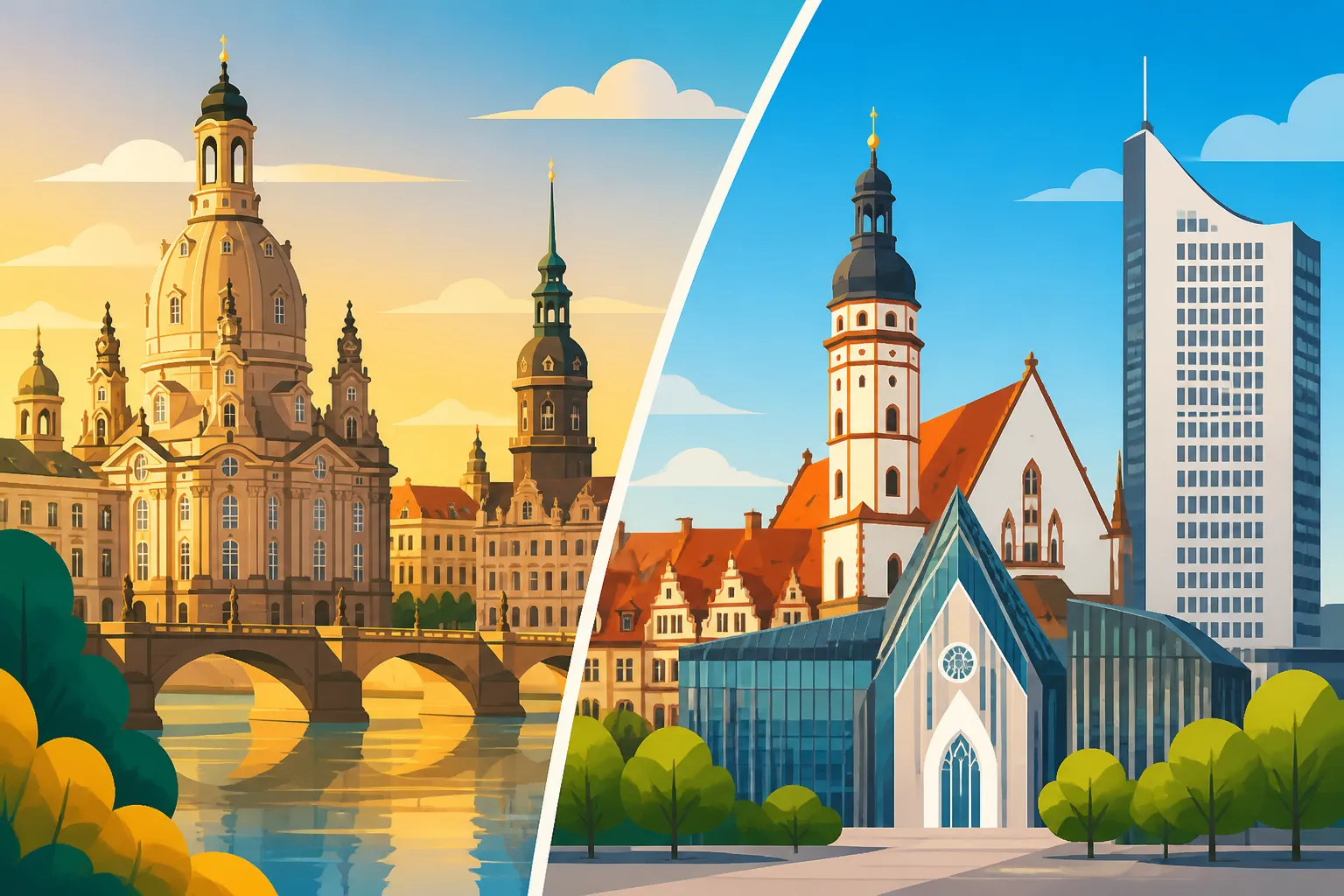
Dresden and Leipzig, though only about an hour and a half apart by train, offer wonderfully contrasting experiences. Dresden, often called the "Florence on the Elbe," enchants with its Baroque architecture, royal history, and world-class art collections, much of it meticulously rebuilt after the devastation of World War II. It's a city that breathes elegance and a profound sense of historical continuity. Leipzig, on the other hand, is a vibrant, youthful city with a rich musical heritage, a history of political activism, and a burgeoning arts and culture scene that feels incredibly contemporary. It’s dynamic, energetic, and constantly reinventing itself. Together, they paint a comprehensive picture of Saxony's soul, showcasing both its glorious past and its exciting future.
Dresden: The Resurrected Baroque Beauty
Stepping into Dresden can feel like walking into a postcard from another era. Its stunning cityscape along the Elbe River, adorned with opulent Baroque buildings, is a testament to both incredible artistic vision and astonishing resilience. For those of us who appreciate grandeur and history, Dresden offers an immersive experience unlike any other.
A Phoenix from the Ashes: Dresden's Architectural Wonders
It's impossible to talk about Dresden without acknowledging its harrowing past. The city was almost completely destroyed by Allied bombing in 1945, a tragedy that left its historic center in ruins. Yet, in an act of profound dedication, much of it has been painstakingly reconstructed, often brick by historical brick. The Frauenkirche (Church of Our Lady) stands as the most poignant symbol of this resurrection. Once a pile of rubble, it was rebuilt using original stones whenever possible, its darker, fire-scorched stones woven into the lighter new ones, creating a visual testament to its journey. Walking through the Neumarkt square, surrounded by the meticulously restored Frauenkirche, the Royal Palace (Residenzschloss), and the Zwinger Palace, you can almost forget the devastation that occurred. It's a powerful experience, underscoring German meticulousness and dedication to preserving cultural heritage. The intricacy of the Baroque facades and the sheer scale of the buildings are simply breathtaking.
World-Class Arts and Culture: Museums and Music
Dresden isn't just a pretty face; it's a powerhouse of arts and culture, boasting some of Germany's most important collections. The Zwinger Palace isn't merely an architectural marvel; it houses the Old Masters Picture Gallery (Gemäldegalerie Alte Meister), home to Raphael's Sistine Madonna, among other European masterpieces. Seriously, you could spend days here just wandering through the halls. Then there's the Green Vault (Grünes Gewölbe) inside the Royal Palace, which is probably one of the most stunning treasure chambers you'll ever see, overflowing with jewels, gold, and intricate artistry from the Saxon electors. Beyond the visual arts, Dresden has a phenomenal musical tradition. The Semperoper (Semper Opera House) is renowned worldwide, not just for its stunning architecture but for its incredible performances of opera and ballet. Catching a show there is an unforgettable experience, even if you’re not usually an opera buff. Just being in that space is magical. Make sure to check their schedule well in advance, especially if you're visiting during peak season.
The Elbe River and Royal Gardens: Nature and Relaxation
Beyond its grand architecture and cultural institutions, Dresden also offers serene natural beauty. The Elbe River flows gracefully through the city, providing a picturesque backdrop for strolls, bike rides, or even a leisurely boat trip. The Brühl's Terrace, often dubbed "Europe's Balcony," offers stunning views across the river and the historic skyline—perfect for an afternoon coffee. Just a short walk away, you'll find the Great Garden (Großer Garten), Dresden’s largest park, a Baroque masterpiece with beautiful landscaping, palaces, and even a miniature railway. It’s a wonderful escape from the city hustle, ideal for a picnic or simply enjoying the peaceful atmosphere. For a truly regal experience, consider a visit to the Pillnitz Castle & Park, a former summer residence of the Saxon royal family located right on the Elbe, accessible by a charming paddle steamer. It’s these moments of tranquility amidst the grandeur that make Dresden so special.
Leipzig: Dynamic Hub of Music, History, and Innovation
Shift your gaze westward from Dresden, and you’ll find Leipzig, a city that pulsates with a different kind of energy. It’s a place where revolutionary history, profound musical legacy, and contemporary cool effortlessly intertwine, creating a vibrant urban experience that often surprises newcomers.
Bach, Books, and Beyond: Leipzig's Musical and Intellectual Legacy
Leipzig's heart beats to a rhythm set by some of the greatest composers in history. Johann Sebastian Bach spent a significant portion of his life here, working as the Thomaskantor (choir director) at St. Thomas Church. You can visit his grave in the church and explore the fascinating Bach Museum next door, which really brings his life and work to life. But Bach is just one note in Leipzig's symphonic history. Felix Mendelssohn Bartholdy also made his mark here, as did Robert Schumann and Richard Wagner, who was actually born in Leipzig. The city’s intellectual heritage runs deep, too. It’s been a major center for publishing and trade fairs for centuries, earning it the nickname "Book City." The Leipzig University, one of Germany’s oldest, contributes to its youthful, academic vibe. Walking through the city, you’ll constantly encounter plaques and statues commemorating these titans of music and thought, reminding you of the profound creative energy that has always flowed through its streets.
Industrial Charm Meets Modern Art: Galleries and Gründerzeit
Leipzig’s history isn't just about powdered wigs and classical music; it's also deeply rooted in industry and trade. This industrial past has left its mark, but in a really cool way. Take the Spinnerei, for example – a former cotton mill that has been transformed into a sprawling complex of art galleries, studios, and workshops. It's an incredible example of urban renewal, home to the New Leipzig School of art and a must-visit for anyone interested in contemporary German art. Then there are the beautiful Gründerzeit buildings, elaborate late 19th-century architecture that gives many neighborhoods a grand, yet slightly edgy, character. The city has done an excellent job of preserving these historic structures while infusing them with new life, turning old industrial spaces into trendy cafes, bars, and independent boutiques. This blend of the old and the new, the rough and the refined, gives Leipzig a distinctive, bohemian atmosphere that feels very authentic.
A Green City with a Vibrant Pulse: Parks and Nightlife
Despite its urban feel, Leipzig is remarkably green. The city boasts an extensive network of parks, including the huge Clara-Zetkin-Park, perfect for cycling, jogging, or just soaking up the sun. What truly sets Leipzig apart, however, is its unique "water city" aspect. A network of rivers and canals winds through the city, offering opportunities for kayaking, paddle boating, or even gondola rides. It’s a fantastic way to see Leipzig from a different perspective and definitely not something you’d expect in a former industrial hub. As the sun sets, Leipzig truly comes alive. Its nightlife scene is legendary, with a diverse range of bars, clubs, and live music venues, particularly around the "Barfußgässchen" and the southern district of Connewitz. From cozy pubs to pulsating techno clubs, there’s something for every taste. It's a city that knows how to work hard and play hard, offering a vibrant pulse that attracts a younger, more international crowd.
Comparing Dresden and Leipzig: A Tale of Two Cities
While geographically close and both brimming with cultural significance, Dresden and Leipzig present two very distinct German experiences. For expats trying to decide where to settle for a visit, or for tourists trying to fit both into a short trip, understanding these differences is key.
Old-World Grandeur vs. Bohemian Vibe: Choosing Your Adventure
Dresden, with its meticulously reconstructed Baroque architecture, royal palaces, and priceless art collections, undeniably leans towards old-world grandeur. It's a city that revels in its illustrious past as a royal residence and a center of European culture. When you walk through Dresden, you feel the weight of history, the elegance of a bygone era. It's perfect for those who appreciate classical beauty, historical narratives, and a slightly more refined, perhaps even a bit quieter, atmosphere. Think stately museums, opera nights, and riverside strolls.
Leipzig, on the other hand, embraces a more bohemian, dynamic, and perhaps edgier vibe. While it certainly has its historical treasures, especially its musical heritage, Leipzig feels more contemporary, a city of artists, students, and entrepreneurs. Its transformation from an industrial city to a cultural hotspot with thriving arts scenes and a buzzing nightlife gives it a raw, authentic energy. If you're drawn to indie galleries, vibrant cafes, experimental music venues, and a strong sense of community, Leipzig might be more your speed. It's the kind of city where you discover hidden gems down alleyways and feel the pulse of innovation.
Cost of Living and Lifestyle: What to Expect
From an expat's perspective, both cities generally offer a more affordable cost of living compared to Germany's western metropolises like Munich, Hamburg, or even Berlin. However, there are subtle differences. Dresden, with its more established tourist infrastructure and historical focus, can sometimes feel a bit pricier in terms of central accommodation and fine dining, though still very reasonable by German standards. Its lifestyle tends to be a bit more traditional and relaxed.
Leipzig, often attracting a younger population and creatives, tends to have slightly lower rents and a more diverse range of budget-friendly restaurants and cultural activities. It's a city where you can stretch your euro a bit further, especially if you're looking for independent shops, cafes, and a lively, student-driven cultural scene. If you're considering moving to Germany permanently, Leipzig is often cited as one of the most affordable larger cities, making it an attractive option.
Here’s a quick comparison of some aspects:
| Feature | Dresden | Leipzig |
|---|---|---|
| Main Vibe | Baroque Grandeur, Royal History | Bohemian, Dynamic, Artistic |
| Architecture | Reconstructed Baroque, Rococo | Gründerzeit, Industrial Re-purposing |
| Key Attractions | Frauenkirche, Zwinger, Green Vault | St. Thomas Church, Bach Museum, Spinnerei |
| Nightlife | More traditional, opera, classical | Vibrant, diverse bars, clubs, live music |
| Pace of Life | More relaxed, elegant | Energetic, youthful, bustling |
| Cost (General) | Moderate | Slightly lower than Dresden, very affordable |
Accessibility and Connectivity: Getting There and Around
Both Dresden and Leipzig are incredibly well-connected within Germany and to the wider European network, making them easy to reach for travelers. You can easily book train tickets for comfortable and efficient travel through services like Omio.
- By Train: Deutsche Bahn (DB) offers excellent connections. High-speed ICE trains connect both cities to major hubs like Berlin, Frankfurt, and Munich. A train journey between Dresden and Leipzig takes roughly 1 hour and 15 minutes to 1 hour and 45 minutes, depending on the service. For a detailed look at German train travel, check out our guide on High-Speed Trains in Germany (ICE): Deutsche Bahn Routes and Savings.
- By Bus: Long-distance buses, such as FlixBus, also connect both cities to various destinations across Germany and Europe, often being a more budget-friendly option, though slower. Learn more about Long-Distance Buses in Germany: FlixBus and Networks.
- By Car: If you're renting a car, the A4 motorway connects Dresden and Leipzig. Driving on the German Autobahn is an experience in itself, but remember to be aware of the rules. Our article on Renting a Car and Driving on the Autobahn has useful tips. Each city has its own airport, though Leipzig/Halle Airport (LEJ) serves both cities and is a major regional hub.
Once you’re in either city, public transport is fantastic. Both have comprehensive networks of trams, buses, and S-Bahn (suburban train) lines, making it easy to get around without a car. Consider a day pass or a multi-day ticket if you plan to use public transport extensively. For more on navigating local transit, see Getting Around German Cities: U-Bahn, S-Bahn, Trams, and Buses.
Practical Tips for Exploring Saxony's Cultural Capitals
Embarking on a journey to Dresden and Leipzig promises a rich cultural experience. To make your trip smooth and enjoyable, here are some practical tips for getting around, finding the perfect place to stay, and making the most of your visit.
Getting There: Trains, Buses, and Driving
As mentioned, Germany's transport infrastructure is generally excellent. If you're coming from another major German city like Berlin or Frankfurt, the train is often the most convenient and fastest option. Deutsche Bahn's ICE trains are comfortable and offer scenic routes. Booking your tickets in advance, especially for peak travel times, can save you a fair bit of money. Websites like Omio allow you to compare train and bus options easily, making it simple to plan your route. If you're on a tighter budget or don't mind a longer journey, long-distance buses are a solid alternative, often dropping you right in the city center. Should you opt for the flexibility of a rental car, remember to familiarize yourself with German driving rules and parking regulations, which can be quite strict in city centers.
Where to Stay: Accommodation Options
Both Dresden and Leipzig offer a wide range of accommodation options to suit every budget and style. From luxurious hotels in historic buildings to cozy guesthouses, modern apartments, and budget-friendly hostels, you'll find something that fits.
- Dresden: If you're visiting Dresden primarily for its Baroque splendor, staying in or near the Altstadt (Old Town) is ideal. This puts you within walking distance of the Frauenkirche, Zwinger, and other major attractions. Areas like Neumarkt offer elegant hotels and charming guesthouses. For a more bohemian vibe, explore the Neustadt (New Town), which is separated from the Old Town by the Elbe River and known for its vibrant nightlife, independent shops, and diverse restaurants.
- Leipzig: In Leipzig, the city center (Mitte) is a great base, especially if you want to be close to the main train station, historical sites like St. Thomas Church, and the university. For those seeking a lively, artistic atmosphere, the districts of Plagwitz or Connewitz are excellent choices, filled with art studios, canals, and trendy bars.
Websites like Booking.com are invaluable for finding and comparing accommodation options in both cities, allowing you to filter by price, location, and amenities. For more general advice on finding a place to stay in Germany, you can check out our guide on Accommodation in Germany: Hotels, Pensionen, and Hostels.
Navigating the Cities: Public Transport and Walking
Once you’ve arrived, getting around Dresden and Leipzig is a breeze. Both cities are very walkable, especially their respective city centers and historical areas. This is often the best way to truly soak in the atmosphere, discover hidden courtyards, and stumble upon charming cafes.
However, for longer distances or when you want to save your feet, public transport is highly efficient. Trams are the lifeblood of both cities' public transport networks, crisscrossing the urban landscape and connecting all major sights and neighborhoods. Buses complement the tram system, ensuring comprehensive coverage. The S-Bahn also serves suburban areas and is useful for reaching spots a bit further out.
Buying tickets is straightforward; you can usually purchase them from vending machines at stops, inside trams, or via mobile apps. Day tickets or group tickets can be economical if you plan multiple journeys. Remember to validate your ticket immediately after purchase or upon boarding, as fines for unvalidated tickets are steep. Exploring these efficient systems is a key part of the German urban experience. For a deeper dive, check out our guide on Public Transport Tickets and Passes: Navigating German Transit Systems.
Experiencing Local Life and Culture
Beyond the grand museums and historical sites, truly immersing yourself in Dresden and Leipzig means embracing their everyday rhythms, savoring local flavors, and participating in their vibrant event scenes.
Culinary Delights and Local Specialties
Saxony boasts a rich culinary tradition that might surprise you. While you’ll find plenty of classic German fare like schnitzel and sausages, both Dresden and Leipzig have their unique specialties that are worth seeking out.
- Dresden: You absolutely cannot leave Dresden without trying a slice of Eierschecke. This traditional baked cheesecake-like pastry, often with a rich custard layer, is a regional staple and a perfect accompaniment to your afternoon coffee (Kaffee und Kuchen). Dresden is also famous for its Christstollen, a dense fruit bread that’s synonymous with Christmas, but you can often find bakeries selling versions year-round. For something savory, try a Sächsischer Sauerbraten, a marinated roast, often served with potato dumplings and red cabbage.
- Leipzig: Leipzig’s most famous culinary contribution is Leipziger Allerlei, a vegetable dish typically featuring carrots, peas, asparagus, and crayfish, often served with bread dumplings. It's a surprisingly fresh and light dish that reflects the region's agricultural bounty. For sweet treats, look for Leipziger Lerchen, small pastries filled with marzipan and jam, said to have originated after the city banned the consumption of larks in the 19th century. Both cities offer a fantastic range of restaurants, from traditional German taverns to modern international cuisine. For a broader understanding of German food, read our German Food Culture: Eating and Drinking as a Visitor guide.
Festivals, Markets, and Events Throughout the Year
Dresden and Leipzig are cities that know how to celebrate, with a packed calendar of festivals and events year-round. No matter when you visit, you're likely to find something exciting happening.
- Christmas Markets: If you’re visiting in winter, both cities host some of Germany’s most magical Christmas markets. Dresden’s Striezelmarkt is one of the oldest in the world, dating back to 1434, and is a truly enchanting experience with its traditional crafts, festive treats, and mulled wine. Leipzig’s Christmas Market is equally charming, spread across several squares in the city center. Exploring Christmas Markets and Festive Germany can give you an idea of what to expect.
- Music Festivals: Given their strong musical heritage, both cities host numerous classical music festivals. Leipzig's Bachfest, held annually, is a highlight for classical music lovers worldwide. Dresden also hosts various music and film festivals, particularly during the warmer months, making the riverbanks and squares come alive.
- City Festivals: Throughout the year, you’ll find Stadtfeste (city festivals), wine festivals, and themed markets. These are wonderful opportunities to mingle with locals, try regional food and drink, and enjoy live music and entertainment. Websites like GetYourGuide can help you find curated tours and activities, including local food experiences or cultural walks during these events. For a general overview of German celebrations, check out Festivals, Holidays, and Traditions in Germany.
Beyond the Main Sights: Hidden Gems and Local Hangouts
To truly get a feel for Dresden and Leipzig, venture beyond the main tourist attractions.
- In Dresden: Explore the charming Königstraße in the Inner Neustadt, a beautiful Baroque street with small boutiques and galleries, often overlooked by those sticking to the Altstadt. Take a walk through the trendy "Kunsthofpassage" in the Outer Neustadt, an artistic courtyard complex with unique, whimsical facades and independent shops. It’s a riot of color and creativity. The "Blaues Wunder" bridge (Blue Wonder) is also worth a visit, offering great views and connecting charming neighborhoods.
- In Leipzig: Discover the numerous Passagen (arcades) that crisscross the city center, harking back to its trade fair past. The Mädler Passage, home to Auerbachs Keller, immortalized by Goethe’s Faust, is a must-see. For a taste of the real Leipzig, spend an evening in Plagwitz, exploring its industrial-chic bars, cafes along the canals, and independent art spaces. Or head to Connewitz for its alternative vibe and live music. Don't be afraid to wander, strike up conversations (even a little German goes a long way!), and let the city reveal its hidden charms. Remember that understanding a bit about German Etiquette and Social Life for Visitors can greatly enhance your interactions with locals.
Disclaimer
Please note that while every effort has been made to provide accurate and up-to-date information, circumstances such as opening hours, prices, and event schedules can change. It is always advisable to check official websites or local listings for the most current details before making plans. This guide offers general advice and personal observations, and individual experiences may vary.