How to Visit the Moselle Wine Region
Many travelers arrive in Germany expecting the efficiency of a precision watch but find themselves overwhelmed by the sheer complexity of the Moselle's winding geography and hyper-local traditions. This guide simplifies the chaos, showing you exactly how to navigate the steep vineyards, bypass the tourist traps, and experience the world's finest Rieslings without the typical logistical headaches.
Disclosure: This post may contain affiliate links. We may earn a commission at no extra cost to you if you make a purchase through these links. Read full disclosure.
Navigating the Logistics of the Moselle Valley
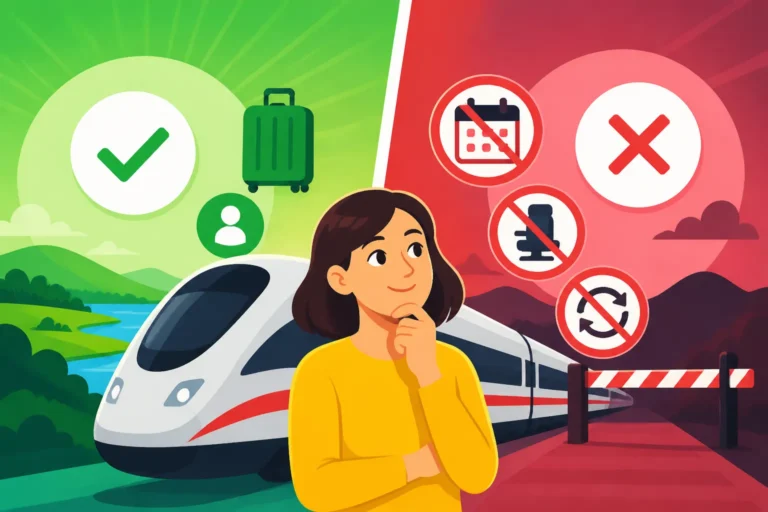
When I first moved here, I made the classic mistake of thinking I could "just wing it" in the Moselle. I quickly learned that while the region looks like a fairy tale, the logistics require a veteran's touch. The Moselle (or Mosel) river snakes through some of the steepest terrain in Europe, which means that getting from point A to point B isn't always a straight line. If you are coming from a major hub like Frankfurt or Cologne, your first task is deciding whether to rely on the Deutsche Bahn or rent a car. While Germany is famous for its trains, the Moselle's branch lines can be a bit finicky.
For most newcomers, I highly recommend using Omio to compare the train and bus schedules before you arrive. It saves you the frustration of staring at a confusing ticket machine at a tiny station where the Wi-Fi is spotty at best. If you choose to go the rail route, you will likely find yourself on the Moselstrecke, the scenic line connecting Koblenz and Trier. This is where the Deutschland-Ticket Explained comes into play; if you are staying for a month or doing extensive regional travel, that 49-euro ticket is a lifesaver. However, be warned: the trains run along the riverbanks, but many of the best boutique wineries are tucked away in side valleys where the tracks don't reach.
If you prefer the freedom of four wheels, driving the B53 road that hugs the river is spectacular, but parking in medieval towns like Beilstein is a nightmare. I’ve spent many frustrated afternoons circling narrow cobblestone streets only to realize the only available spot requires a local permit. When booking your stay, I suggest checking Booking.com specifically for properties that offer "Privatparkplatz" (private parking). It will save you from the administrative headache of a German parking fine, which is a rite of passage no expat actually wants.
Choosing Your Hub Towns and Scenic Bases
Deciding where to sleep is the most critical part of your Moselle strategy. The region is generally divided into the Upper, Middle, and Lower Moselle. Most tourists flock to the Lower Moselle because it is closest to Koblenz, but as a long-term resident, I tell my friends to head straight for the Middle Moselle. This is the heart of Riesling country, where the "Bernkasteler Doctor" vineyard sits. It is a world apart from the more mountainous regions like Bavaria for Travelers: Munich, the Alps, and Beyond.
Cochem is the most famous hub, and for good reason. The Reichsburg Cochem castle towers over the town like something out of a Disney movie. It is a great base for families, but it can feel a bit "touristy" during the peak summer months. If you want a more authentic, quieter experience, look at Traben-Trarbach. Once the second-largest wine trading center in Europe after Bordeaux, it is filled with Belle Époque villas and underground wine cellars (Unterwelt). You can find some incredible apartment rentals on Booking.com here that allow you to live like a local, complete with a kitchen to prepare your own spread of German meats and cheeses.
For those who want the absolute peak of scenic beauty, Beilstein—often called the "Sleeping Beauty of the Moselle"—is unmatched. It is tiny, with no room for modern expansion, which has preserved its medieval character perfectly. However, staying here means you are somewhat isolated. You’ll be relying on the river ferries or your own feet. If you are looking to book a guided experience or a boat tour to see these towns from the water, GetYourGuide usually has the best inventory for river cruises that depart from Cochem or Bernkastel-Kues. Just remember that the river moves slowly; don't expect to see the whole valley in a single afternoon.
| Town | Best For | Vibe | Pro Tip |
|---|---|---|---|
| Cochem | Families & First-timers | High Energy | Book castle tours early in the morning. |
| Bernkastel-Kues | Wine Connoisseurs | Classic & Historic | Visit the Vinothek under the Kueser Plateau. |
| Traben-Trarbach | Architecture Lovers | Sophisticated | Take the "Underworld" cellar tour. |
| Beilstein | Couples & Photographers | Romantic/Quiet | Arrive by boat for the best first impression. |
Tasting the Terroir: Vineyards and Seasonal Taverns
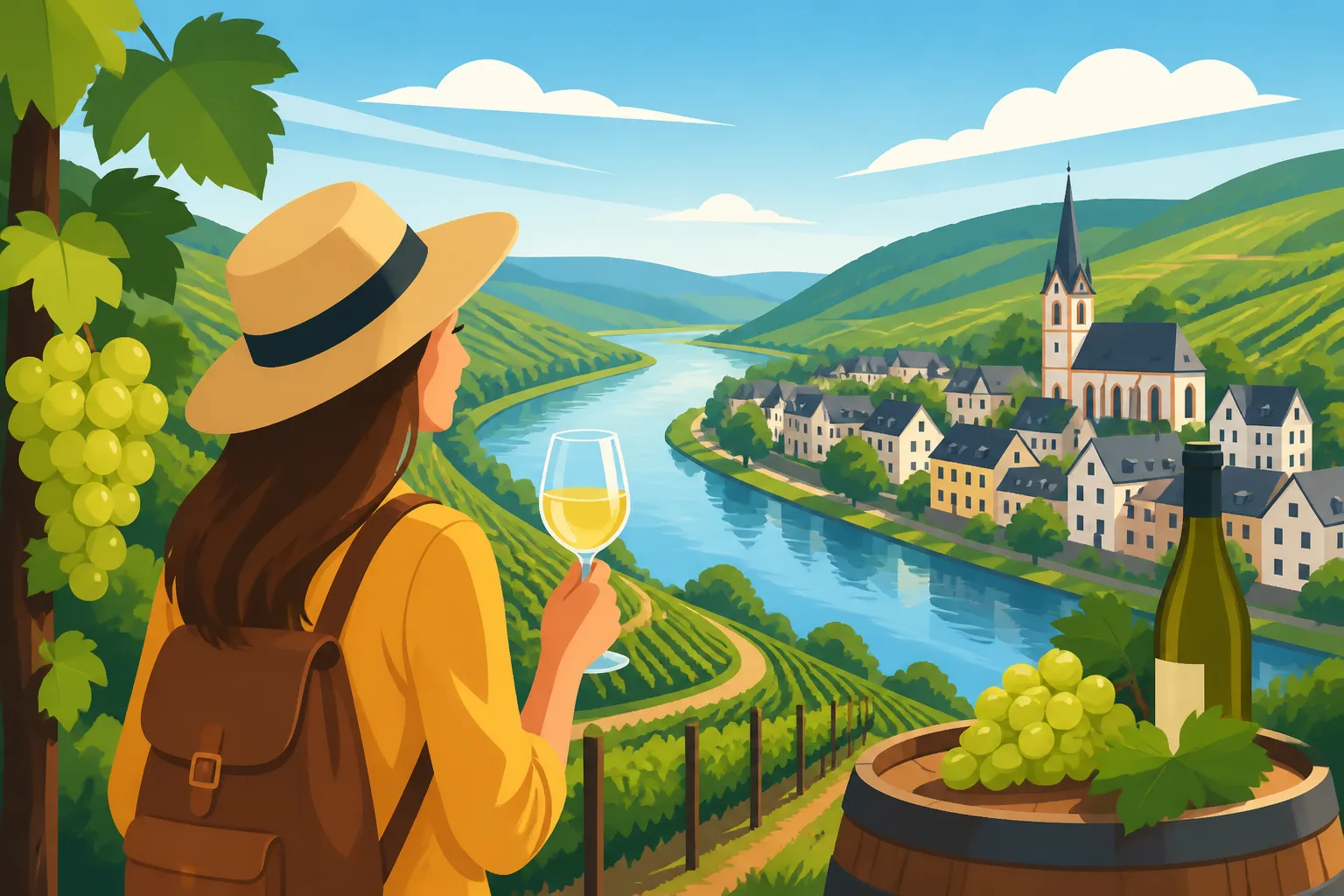
You aren't just visiting the Moselle for the views; you’re here for the Riesling. The soil here is dominated by slate—blue, red, and grey—which gives the wine its signature minerality. As an expat, I quickly learned that the best way to drink wine isn't at a fancy bar, but at a Straußwirtschaft. These are seasonal wine taverns where growers are legally allowed to serve their own wine and simple food for a few weeks a year. You’ll know one is open when you see a broom (der Besen) hanging outside the door.
Eating at these spots is where you’ll find the true heart of the region. Expect to sit at communal tables with locals who have lived in the valley for generations. It is the perfect place to practice your skills from the German Language and Everyday Communication for Visitors guide. You might be served "Winzersteak" (vintner's steak) or a hearty "Flammkuchen." These experiences aren't usually listed on major travel sites, but you can find them by looking for small chalkboard signs as you walk through villages like Piesport or Graach. For a deeper dive into the flavors, check out our guide on German Regional Dishes Every Visitor Should Try.
If you want a more structured tasting, many of the big-name estates offer English-language tours. Producers like Dr. Loosen or Markus Molitor are world-renowned, and booking a tasting there is like visiting a holy site for wine lovers. You can often find specialized tasting tours on GetYourGuide that handle the transport for you, which is a smart move because German "Drunk Driving" laws are incredibly strict, and the police do not take "I'm just a tourist" as an excuse.
Planning for the Cultural Hurdles
Germany is a country of rules, and the Moselle is no exception. One of the biggest shocks for visitors is the "Sonntagsruhe" or Sunday rest. In the wine villages, almost everything except for restaurants and tasting rooms will be closed on Sundays. No grocery stores, no pharmacies, and no boutiques. I’ve seen countless tourists wandering around Cochem on a Sunday afternoon, desperate to buy a liter of water or a souvenir, only to find locked doors. This is why understanding Quiet Hours and Sundays in Germany (Ruhezeit) is essential for your sanity.
Cash is another major hurdle. While things are slowly changing in big cities, the Moselle valley remains a bastion of the "Nur Bares ist Wahres" (only cash is true) philosophy. Many of the smaller guesthouses and Straußwirtschaften do not accept credit cards. I cannot count the number of times I’ve had to jog to a Sparkasse ATM because a restaurant didn't take my Visa. For more on this, read Cash vs Card in Germany: What Visitors Should Know before you head out into the vineyards.
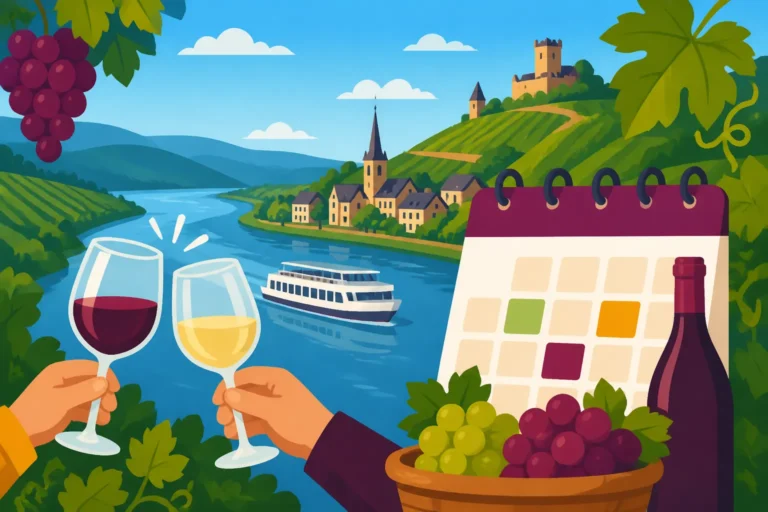
Lastly, timing your visit is crucial. The Moselle is breathtaking in the autumn during the "Lese" (harvest). This is when you can try "Federweißer," a partially fermented young wine that is sweet, cloudy, and surprisingly potent. It’s usually served with onion tart (Zwiebelkuchen). However, this is also the busiest time. If you want to avoid the crowds but still see the region in bloom, late May or June is ideal. You’ll also find plenty of Festivals, Holidays, and Traditions in Germany happening during the summer months, with nearly every village hosting its own "Weinfest."
Staying Safe and Healthy in the Steep Slopes
The Moselle is famous for the Calmont—the steepest vineyard in Europe. Hiking the Calmont Klettersteig is a bucket-list item, but it is not a casual stroll. It involves ladders, cables, and very narrow ledges. Every year, I see tourists attempting this in flip-flops, which is a recipe for a call to 112. If you do find yourself in a bind, it’s worth knowing how the emergency system works via Medical Emergencies: What to Do and Where to Go in Germany.
The sun can also be deceptive. The slate rocks in the vineyards absorb heat and radiate it back at you, making the trails much hotter than the ambient temperature suggests. Always carry more water than you think you need. If you are planning a multi-day hike along the Moselsteig trail, I recommend using Omio to plan your return journey by bus or train from whichever village you end up in.
Beyond physical safety, pay attention to German Etiquette and Social Life for Visitors. When tasting wine, it’s polite to make eye contact when saying "Prost." It’s a small gesture, but it goes a long way in showing respect for the local culture. The people of the Moselle are incredibly proud of their heritage, and a little bit of cultural awareness will often result in a "bonus" pour of an Auslese or Beerenauslese that wasn't on the official tasting menu.
Expat Insider Disclaimer
The information provided in this guide is based on personal experience and current travel conditions in Germany. Administrative rules, train schedules, and business hours are subject to change without notice. Always verify specific winery opening times and local regulations before your trip. This guide is for informational purposes and does not constitute legal or professional travel advice. Use common sense, respect local laws, and always drink responsibly while exploring the beautiful Moselle wine region.