What’s the Best Day Trip From Cologne?
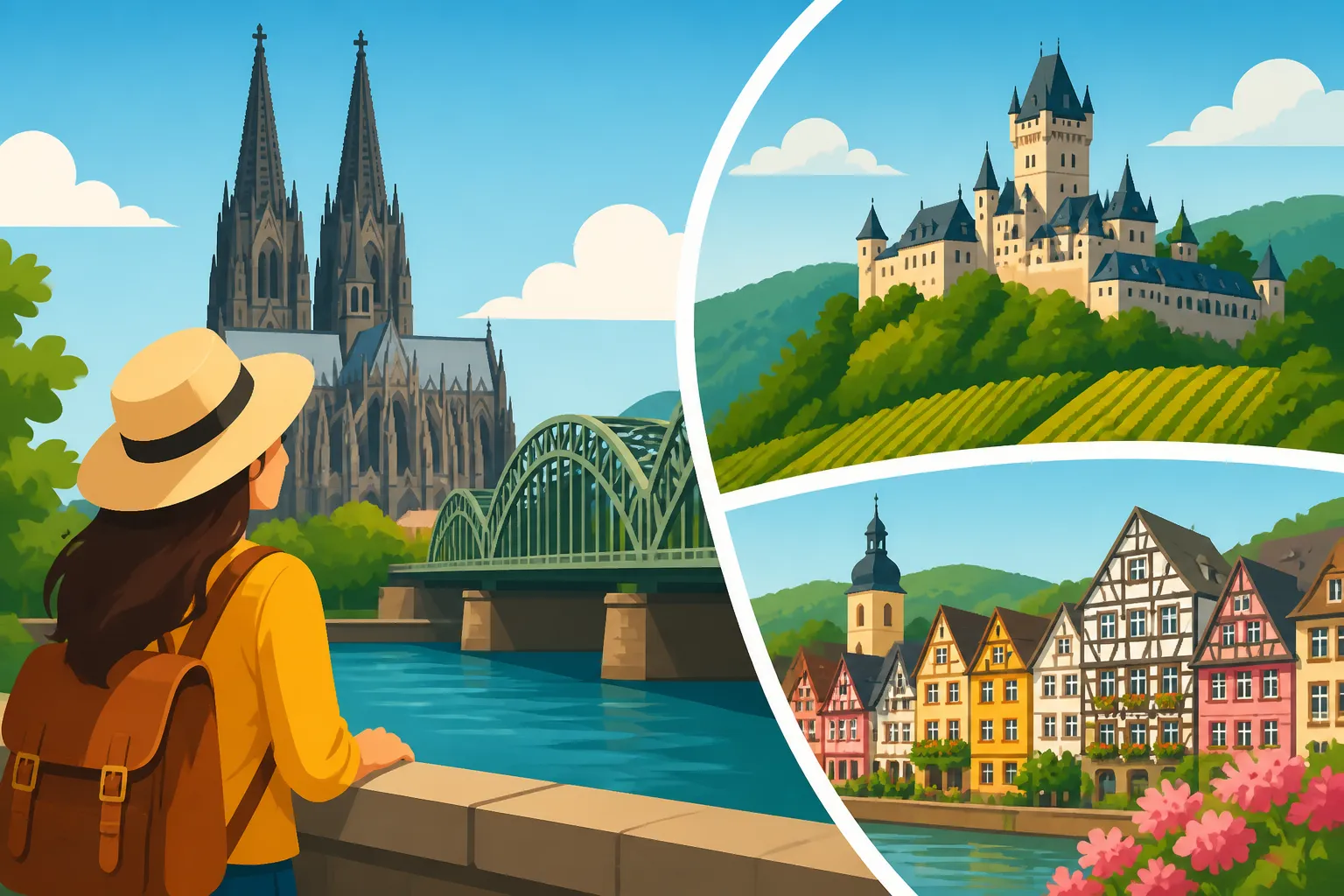
Look, I’ve been there. You’ve spent three days staring at the Kölner Dom, you’ve had your fill of pork knuckles, and the narrow streets of the Altstadt are starting to feel a bit crowded. The common frustration for visitors in Cologne is feeling "trapped" by the city's heavy industrial surroundings, not realizing that some of Europe’s most stunning castles, former capitals, and rival cultural hubs are less than an hour away. This guide breaks down the absolute best day trips from Cologne to help you escape the city heat and see the true variety of the Rhineland.
Disclosure: This post may contain affiliate links. We may earn a commission at no extra cost to you if you make a purchase through these links. Read full disclosure.
The Former Capital’s Charm: A Day in Bonn
For many expats living in Germany, Bonn is the "quiet sibling" to Cologne’s loud and boisterous personality. Just 20 to 30 minutes south by train, Bonn served as the capital of West Germany before the reunification, and that prestigious history is still palpable in its wide avenues and stately buildings. It lacks the grit of Cologne, offering a more manicured, academic atmosphere that is perfect for a leisurely day of exploration.
If you are visiting in late March or early April, the Altstadt (Old Town) of Bonn is mandatory. The Heerstraße and Breite Straße become a tunnel of pink cherry blossoms that attract photographers from across the globe. Even outside of blossom season, the area is packed with quirky cafes and independent boutiques. While you’re wandering, you can’t miss the Beethoven-Haus. As the birthplace of Ludwig van Beethoven, the museum offers a deeply personal look at the composer’s life, including his original instruments and handwritten scores. It’s a small, intimate space that feels world’s away from the massive museum complexes in larger cities.
Logistically, getting to Bonn is incredibly simple. You can take the RE5, RB26, or the S-Bahn lines 16 and 18. Using Omio is often the easiest way to see if a regional train or a deeper-reaching tram makes more sense for your specific starting point in Cologne, as it compares the various local transit timings in one view. Once you arrive at the Bonn Hauptbahnhof, almost everything is reachable on foot. If you want to dive deeper into the political history, head to the Haus der Geschichte (House of History). It is free to enter and provides one of the best overviews of German history from 1945 to the present day. After a day of history, I highly recommend walking through the Rheinaue Park, a massive green space that hosts flea markets and festivals throughout the summer.
Scaling the Dragon’s Rock: Königswinter and Schloss Drachenburg
If your idea of a perfect day involves a bit of nature mixed with "Disney-esque" architecture, then Königswinter is your best bet. Located just past Bonn, this town sits at the foot of the Siebengebirge (Seven Mountains). The star of the show here is Schloss Drachenburg, a 19th-century villa that looks like it was plucked straight from a fairy tale. It’s perched halfway up the Drachenfels mountain and offers what I consider to be the most spectacular view of the Rhine Valley.
To reach the castle, you have two choices: a steep but rewarding 30-minute hike up the "donkey path" or a ride on the Drachenfelsbahn, Germany’s oldest rack railway. For families or those who want to save their knees, the train is a delightful experience. Once you reach the castle, take your time exploring the interiors. Booking a guided tour through GetYourGuide can save you from reading every single plaque, as the history of the eccentric wealthy banker who built it is actually quite fascinating.
After you’ve explored the castle, don't stop there. Continue to the very summit of the Drachenfels. You’ll find the ruins of an older medieval castle and a viewing platform. On a clear day, you can see all the way back to the Cologne Cathedral. For those who enjoy Hiking in Germany: The Black Forest, Alps, and Beyond, the surrounding Siebengebirge park offers miles of trails that are far less crowded than the main tourist path. If you decide to turn this day trip into a weekend retreat to explore the entire mountain range, Booking.com is the standard for finding local guest houses in Königswinter that offer a more traditional German "Pension" experience compared to the big hotels in Cologne.
Crossing Enemy Lines: The Düsseldorf Excursion
In the Rhineland, there is a legendary rivalry between Cologne and Düsseldorf. It involves everything from Carnival traditions to the type of beer they serve. While a die-hard Cologner might tell you there’s no reason to visit "the other side," as a neutral expat, I can tell you that Düsseldorf is a fantastic day trip. It is sleek, wealthy, and famous for its fashion and modern architecture.
The journey takes about 25 to 40 minutes depending on whether you take the ICE or the regional RE1/RE5. The first stop for any visitor should be the Altstadt, which is famously dubbed "the longest bar in the world." Here, you must try Altbier. Unlike Cologne’s light, crisp Kölsch, Altbier is a dark, top-fermented beer with a malty finish. You can learn more about these distinctions in our guide to German Beer Culture: Styles, Beer Gardens, and Breweries. The atmosphere in the Uerige or Füchschen breweries is electric, especially on a sunny afternoon when everyone stands outside on the cobblestones with their glasses.
Beyond the beer, Düsseldorf offers the MedienHafen, a repurposed harbor area featuring "leaning" buildings designed by Frank Gehry. It is a masterclass in modern urban design. If you’re a fan of Japanese culture, Düsseldorf is also home to one of the largest Japanese communities in Europe. The area around Immermannstraße is packed with authentic ramen shops, sushi bars, and Japanese bookstores. It is a unique cultural pocket that you won't find anywhere else in Germany. If you’re worried about the language barrier or navigating the transit between these two rival cities, checking Omio for the latest schedules can help you find the fastest connection back to Cologne before the evening rush.
Imperial History in Aachen: The City of Charlemagne
Aachen is located right on the border with Belgium and the Netherlands, making it feel slightly more European and cosmopolitan than other Rhine cities. It was the favorite residence of Charlemagne (Karl der Große), and for centuries, it was the site where German kings were crowned. The centerpiece of the city is the Aachen Cathedral, a UNESCO World Heritage site that is nothing short of breathtaking.
The Octagon inside the cathedral, built over 1,200 years ago, still holds the marble throne of Charlemagne. Walking through this space feels like stepping back into the early Middle Ages. Many tickets for the castle or specialized cathedral tours can be secured on GetYourGuide to skip the queue during the busy summer months. After the cathedral, take a walk to the Elisenbrunnen, the neoclassical pavilions where you can smell (and even taste, if you’re brave) the sulfurous thermal waters that have made Aachen a famous spa town since Roman times.
Before you leave, you absolutely must try Aachener Printen. This is a special type of gingerbread that is much harder and spicier than what you find at Christmas markets. Nobis Printen is the most famous bakery in town, and they have shops on almost every corner. For travelers coming from the UK or North America, Common Cultural Surprises for First-Time Visitors to Germany often include the realization of how deeply regional these food traditions are. Aachen feels like a world of its own, even though it’s only 45 minutes from Cologne by train.
Logistical Mastery: Making Your Day Trip Seamless
Planning a day trip in Germany is generally easy, but the Deutsche Bahn (DB) can be a fickle beast. If you are traveling as a group, look into the NRW-Ticket or the SchönerTagTicket NRW. These allow up to five people to travel on all regional trains, buses, and trams within the state for a flat fee. This is often much cheaper than buying individual point-to-point tickets.
However, keep in mind that these tickets are not valid on the high-speed ICE or IC trains. If you want the luxury of reaching your destination in half the time, you’ll need to book a specific long-distance ticket. To understand the nuances of these choices, I recommend reading How to Buy Deutsche Bahn Tickets and Save Money and checking What Is the Deutschland-Ticket and Is It Worth It? to see if the €49 monthly pass might actually be cheaper for your entire stay.
| Destination | Travel Time (Train) | Primary Vibe | Must-See Sight |
|---|---|---|---|
| Bonn | 25-30 mins | Academic / Historical | Beethoven-Haus |
| Königswinter | 40 mins | Nature / Fairy Tale | Schloss Drachenburg |
| Düsseldorf | 30-40 mins | Modern / Fashion | MedienHafen |
| Aachen | 45-55 mins | Imperial / Ancient | Aachen Cathedral |
| Brühl | 15 mins | Rococo / Family Fun | Phantasialand / Augustusburg |
When preparing for your trip, remember that Cash vs Card in Germany: What Visitors Should Know is still a very relevant topic. While Düsseldorf and Cologne are becoming more card-friendly, smaller cafes in Königswinter or bakeries in Aachen might still insist on "Nur Bargeld" (Cash only). Always keep at least 20 Euros on you for those small purchases.
If you find yourself overwhelmed by the options, start with Brühl. It is technically the closest and offers a split personality: the incredible UNESCO-listed Augustusburg and Falkenlust Palaces for history buffs, and Phantasialand—one of Europe's best theme parks—for families. You can reach Brühl in just 15 minutes, making it the lowest-stress option for those who are still adjusting to Using the DB Navigator App in Germany.
Regardless of where you choose to go, getting out of the city will give you a much broader perspective on what the Rhineland is all about. Cologne is the heart of the region, but its surrounding towns are its soul. By using resources like Omio to compare routes and Booking.com to scout out the best lunch spots or overnight stays, you can turn a standard city break into a comprehensive German adventure.
Important Disclaimer
The information provided in this guide is for informational purposes only. While we strive to provide the most up-to-date travel advice, train schedules, ticket prices, and opening hours for attractions like Schloss Drachenburg or the Aachen Cathedral are subject to change by local authorities and service providers. Always verify specific travel details on official websites or local transit apps before embarking on your journey. This guide does not constitute legal or professional travel insurance advice.