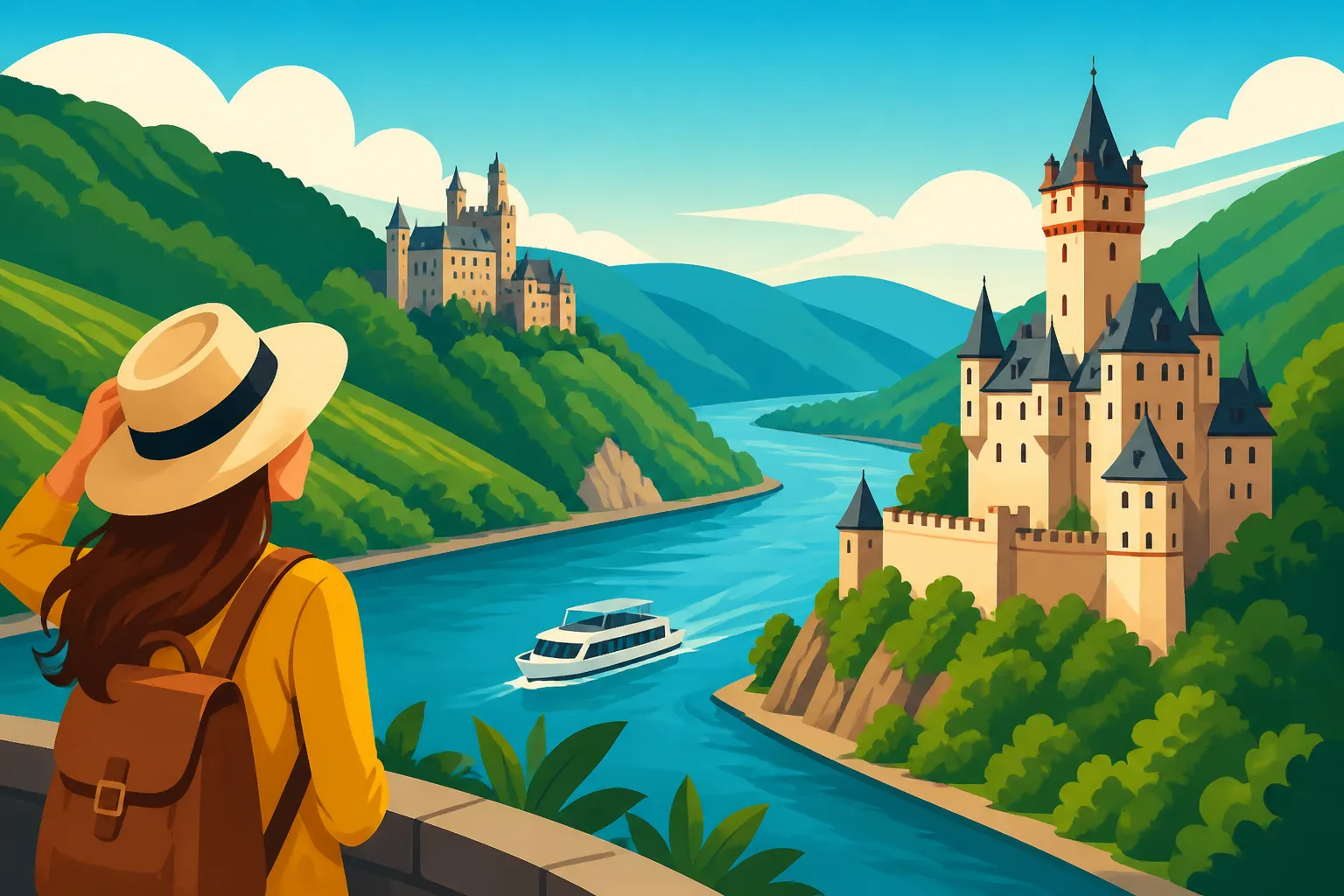
How to See the Best Castles Along the Rhine
Alright, my fellow wanderlusters and history buffs! If you've spent any time living in or even just visiting Germany, you've probably heard the almost mythical whispers about the Rhine castles. It's the kind of postcard perfect image that draws people here, promising a fairytale landscape straight out of a storybook. But, let's be real, turning that dream into a practical itinerary can feel like trying to decipher ancient runes – where do you even start? This guide is going to cut through the confusion and show you exactly how to explore the absolute best castles nestled along the majestic Rhine River.
Disclosure: This post may contain affiliate links. We may earn a commission at no extra cost to you if you make a purchase through these links. Read full disclosure.
The Heart of the Fairytale: The Upper Middle Rhine Valley
When people talk about "Rhine castles," they’re almost certainly picturing the Upper Middle Rhine Valley, a truly spectacular stretch that has earned its well-deserved UNESCO World Heritage status. This isn't just a pretty river; it's a living museum, a cultural landscape where history clings to every vine-covered hillside and ancient stone wall. The magic truly begins roughly between Bingen/Rüdesheim in the south and Koblenz in the north, a relatively compact area that packs in more medieval fortresses, romantic ruins, and charming towns than you can shake a pretzel at.
Trust me, as an expat who’s navigated countless German administrative hurdles, I understand the allure of simplicity. You want to see the good stuff without a PhD in German logistics. This region is the good stuff. It’s where the Rhine carves its way through steep slate hills, creating dramatic vistas at every bend. The sheer density of castles here is astonishing – over 40 castles and fortresses dot this 65-kilometer stretch! It’s easy to feel overwhelmed, like you need a strategy just to pick your head up and breathe in the history. But that's precisely why we're focusing on this area; it offers the most concentrated "castle experience" with manageable travel.
Navigating the River of Legends: Transport Options Explored
So, you’ve decided on the Upper Middle Rhine Valley – excellent choice! Now comes the critical question: how do you actually get to these towering fortresses and quaint riverside towns? There’s no single "best" way, as it really depends on your travel style, budget, and how much flexibility you crave. But having explored this region extensively, I can tell you each option has its charms and its challenges.
The Classic Choice: Rhine River Cruises
For many, the quintessential Rhine experience involves gliding along the water on a Rhine river cruise. This is, without a doubt, one of the most picturesque ways to see the castles. Imagine leaning back, a glass of local Riesling in hand, as centuries of history drift by. The main operator here is KD (Köln-Düsseldorfer Deutsche Rheinschiffahrt), but there are other local providers too. Their boats run regularly, especially during peak season, connecting key towns like Rüdesheim, St. Goar, Bacharach, and Koblenz.
The huge advantage of a cruise is the unparalleled perspective. You see the castles from the water, often exactly as they would have appeared to merchants and invaders centuries ago. The commentary, usually available in multiple languages, adds depth to the experience, weaving tales of knights and legends around each structure. It's truly a relaxing way to take it all in. However, remember the cons: you're on a fixed schedule. You can't just spontaneously decide to jump off and explore a castle that catches your eye. If you want to visit a castle, you need to disembark at a specific stop, explore, and then catch a later boat, which means careful planning around their timetable. Tickets can be bought on the spot or online, and sometimes bundled passes are available if you plan to hop on and off frequently. For a hassle-free booking experience, you can often find these types of tours available on platforms like GetYourGuide, where you can compare options and read reviews from other travelers.
The Flexible Friend: Deutsche Bahn Trains
If you prefer more autonomy and the ability to dictate your own pace, Germany’s excellent rail network, Deutsche Bahn, is your best friend. The train lines run right along both banks of the Rhine in the Middle Rhine Valley, offering incredibly scenic journeys that rival the river cruises for views, albeit from a different vantage point. You can catch regional trains (RE, RB) that make frequent stops in all the major castle towns.
The flexibility here is a game-changer. You can buy tickets easily, hop off wherever you fancy, spend as much time as you like exploring a castle or a town, and then catch the next train. This is especially useful if you want to visit castles that require a bit of a hike from the town. The trains are generally reliable, and with the Deutschland-Ticket Explained, exploring the region has become even more affordable for many. It's a fantastic option for a Day Trips and Weekend Getaways Across Germany kind of adventure. For planning your rail journey, the DB Navigator app is indispensable, offering real-time schedules and ticket purchases. If you're coming from further afield, you might consider how High-Speed Trains in Germany ICE Deutsche Bahn Routes and Savings can get you to the Rhine region quickly before you switch to regional services.
The Adventurer's Choice: Driving by Car
Renting a car and driving along the Rhine offers a different kind of freedom. You can pull over at viewpoints, explore smaller villages not accessible by train or boat, and reach some of the more secluded castles that are further inland. The B9 on the left bank and B42 on the right bank follow the river, providing stunning drives.
However, driving isn't without its drawbacks. Parking can be a nightmare in popular towns, especially during peak season, and navigating narrow, winding roads can be stressful. Crucially, as the driver, you miss out on some of the breathtaking scenery that unfolds around every bend. You also won't get the same awe-inspiring perspective of castles rising directly from the riverbank as you would from a boat. Still, for those who love to explore at their own whim, or if you plan to venture slightly off the main Rhine path – perhaps to visit a gem like Burg Eltz (more on that in a moment!) – a car can be invaluable. Just be prepared for the intricacies of Renting a Car and Driving on the Autobahn. For comparing rental car options, websites like Omio can be useful, helping you weigh different providers and prices.
The Best of Both Worlds: Combining Transport
Many seasoned Rhine travelers swear by a combination approach: take a river cruise one way (e.g., south to north from Rüdesheim to St. Goar), enjoying the views and commentary, then take the train back, allowing you to stop at a specific town or two that particularly captivated you. This hybrid strategy gives you the best of both worlds – the scenic relaxation of the water and the flexibility of the rails. It’s a smart way to maximize your time and experience.
The Crown Jewels: Must-See Castles and Visiting Tips
Now for the main event! With dozens of castles to choose from, picking which ones to prioritize can be daunting. Here are some of the true highlights of the Rhine, along with practical advice on how to experience them.
Marksburg Castle: A Glimpse into Untouched History
If you only visit one castle on the Rhine, make it Marksburg Castle. Perched dramatically above Braubach, it holds a unique distinction: it's the only hilltop castle in the Middle Rhine Valley that has never been destroyed. This means you’re not seeing a reconstruction or a ruin, but an authentic medieval fortress preserved almost exactly as it was centuries ago. It’s a genuine step back in time.
Visiting Marksburg is an immersive experience. You can reach Braubach easily by train, then it's a walk (or a short taxi ride) uphill. Guided tours (often in German, but English audio guides are available) take you through the chapel, the knight's hall, the armory, the kitchen, and even the torture chamber. The views of the Rhine and the surrounding valley from its ramparts are simply breathtaking. Expect to spend at least 1.5 to 2 hours here, soaking in the history and enjoying the incredible preservation.
Burg Eltz: The Fairytale Castle (Off-Rhine, But Don't Miss It!)
Okay, full disclosure: Burg Eltz isn't directly on the Rhine. It's nestled in a secluded valley above the Moselle River, a tributary that meets the Rhine in Koblenz. However, it's so close and so utterly magnificent that it's a non-negotiable addition to any Rhine castle itinerary. This iconic castle, with its distinctive towers and turrets, looks like it was plucked straight from a Disney movie and has graced the old 500 Deutsche Mark note.
Getting to Burg Eltz requires a bit more effort, but it’s absolutely worth it. The easiest way is to take a train to Moselkern, then embark on a scenic approximately 45-minute hike through the forest to the castle. Alternatively, you can take a shuttle bus from the car park near the village of Wierschem. The hike is beautiful, especially in spring or autumn, but be prepared for some inclines. Tours of Burg Eltz are guided and available in various languages, offering insights into its 850-year history and the family that still owns it today. Remember to factor in travel time to and from the castle when planning your day. You could even combine it with exploring a charming Moselle town like Cochem.
Pfalzgrafenstein Castle: The Island Fortress
For something truly unique, seek out Pfalzgrafenstein Castle. This striking "customs castle" sits on a tiny island in the middle of the Rhine near Kaub, resembling a stone ship afloat on the water. Its purpose was to collect tolls from passing vessels, and its imposing presence effectively deterred any who thought to bypass their duties.
To visit, you take a small ferry from Kaub. The crossing itself is part of the experience, offering fantastic photo opportunities of the castle from all angles. Once inside, you can explore the compact structure, climb its tower, and imagine the lives of the toll collectors and soldiers who once manned this isolated outpost. It’s a fascinating glimpse into the economic and strategic importance of the Rhine in centuries past.
Rheinstein Castle & Reichenstein Castle: Romantic Revival
Near Assmannshausen and Trechtingshausen, you'll find Rheinstein Castle and Reichenstein Castle. These two often get grouped together because of their proximity and similar romantic histories. Rheinstein, in particular, is a beautifully restored castle that exemplifies the "Rhine Romanticism" movement of the 19th century. It houses a museum with historical weapons, armor, and furniture, and its gardens are lovely. Reichenstein, also meticulously restored, offers a similar experience, boasting a remarkable collection of iron stoves.
Both castles are accessible from their respective towns and often include restaurants or even offer overnight stays. This allows for a deeper, more leisurely experience than a quick tour. Visiting one of these provides a great contrast to the purely medieval feel of Marksburg, showcasing how castles were re-envisioned during the Romantic era.
Stolzenfels Castle: Grandeur Near Koblenz
Just south of Koblenz, Stolzenfels Castle stands as another testament to Rhine Romanticism. Originally a medieval fortress, it was rebuilt in the 19th century by King Friedrich Wilhelm IV of Prussia into a summer residence and showcases stunning Neo-Gothic architecture and exquisite interiors.
You can reach Stolzenfels by bus from Koblenz or a pleasant walk through vineyards. The castle offers guided tours that delve into its royal history and elaborate decoration. Its elevated position provides panoramic views of the Rhine and Moselle confluence at the famous Deutsches Eck in Koblenz. This castle offers a different flavor, less about raw medieval might and more about princely splendor.
Making the Most of Your Castle Quest: Practical Tips for Expats and Tourists
After living here for a while, you quickly learn that half the battle (and fun!) of exploring Germany is mastering the practicalities. Here are some extra tips to ensure your Rhine castle adventure is as smooth and memorable as possible.
Choosing Your Base: Where to Stay
When planning your Rhine adventure, choosing the right base can make all the difference. Many charming towns dot the riverbanks, each with its own character.
- Rüdesheim am Rhein: A lively, popular tourist town known for its Drosselgasse, wine taverns, and the Niederwald Monument. It's a great starting point for cruises.
- Bacharach: A picturesque medieval town with half-timbered houses, castle ruins (Burg Stahleck), and a more relaxed atmosphere. Ideal for a quieter stay.
- Boppard: A larger town with a beautiful promenade, a chairlift offering incredible views, and plenty of dining options. It’s a good hub for various activities.
- Koblenz: Where the Rhine meets the Moselle, this city offers a mix of history and urban amenities. It's an excellent base if you plan to explore both rivers, and a good spot for finding a wider range of hotels and restaurants.
You can find a great selection of hotels, guesthouses, and apartments in these towns on platforms like Booking.com, which can help you compare prices and locations to suit your needs. Remember, booking well in advance, especially during peak season, is always a good idea! For broader advice on where to lay your head, check out Accommodation in Germany Hotels Pensionen and Hostels.
Timing is Everything: Best Seasons to Visit
Germany’s seasons dramatically change the landscape and the travel experience.
- Spring (April-May): The vineyards burst into green, flowers bloom, and the weather is generally mild. Fewer crowds than summer.
- Summer (June-August): Warmest weather, perfect for cruises and outdoor activities. However, it's also peak tourist season, meaning more crowds and higher prices.
- Autumn (September-October): Absolutely stunning! The vineyards turn golden and crimson, creating a magical backdrop. This is also wine festival season, adding a lively atmosphere. A personal favorite, if you ask me.
- Winter (November-March): Quieter, with fewer tourists. Some attractions may have reduced hours or close entirely. The landscape can be stark but beautiful, especially with a dusting of snow. Christmas markets in nearby towns add a festive touch.
My advice? Aim for late spring or early autumn for the best balance of weather, beauty, and crowd levels.
Beyond the Castles: Exploring the Region
While the castles are the main draw, don’t forget to immerse yourself in the wider culture of the Rhine Valley.
- Wine Tasting: This region is famous for its Riesling wines. Many towns have Weinstuben (wine taverns) where you can sample local vintages. Consider taking a vineyard tour in Rüdesheim or along the Moselle. Delve deeper into German Wine Regions Riesling and Beyond.
- Loreley Rock: This legendary slate rock near St. Goarshausen is steeped in myth. Take a moment to visit the viewpoint and listen for the siren’s song.
- Local Cuisine: Indulge in traditional German food. Expect hearty meals, local cheeses, and plenty of Zwiebelkuchen (onion tart) during wine harvest season. To fully enjoy the local gastronomy, understanding German Food Culture Eating and Drinking as a Visitor can be very helpful.
- Walking and Hiking: Many well-marked trails, including sections of the Rheinsteig and RheinBurgenWeg, offer incredible views and connect castles and villages. This is a great way to earn your evening beer!
Important Reminders for Your Journey
- Footwear: You'll be doing a lot of walking, often uphill and on cobblestones. Comfortable, sturdy shoes are non-negotiable.
- Language: While many people in tourist areas speak English, learning a few basic German phrases will always be appreciated and enhance your experience.
- Pacing: Resist the urge to pack too much into one day. Choose 2-3 castles to visit thoroughly rather than rushing through a dozen. Quality over quantity, always.
- Safety: Germany is generally a very safe country, but it's always wise to be aware of your surroundings, especially in crowded tourist areas or on public transport. For more information, read Staying Safe in Germany Common-Sense Tips for Travelers.
Exploring the Rhine castles is truly one of Germany's most enchanting experiences. With a little planning and an open mind, you're set for an unforgettable journey through history and breathtaking scenery. Don't let the planning part intimidate you; the rewards are absolutely worth it. Enjoy your castle quest, my friends!
Disclaimer
Please note that while I strive to provide accurate and up-to-date information based on extensive experience and research, rules, regulations, and operational details for travel, especially regarding specific attractions or transport, can change. Always verify current opening hours, ticket prices, and schedules directly with the service providers or official websites before making your travel plans. This guide is for informational purposes only and does not constitute official travel advice.