How to Attend a German Music Festival as a Visitor
Oh, the German music festival scene! It's one of those things that, as an expat, you hear whispers about – legendary weekends in fields, epic lineups, and an almost mythical efficiency that sometimes feels at odds with the typical festival chaos. But for a newcomer, trying to figure out which one to go to, how to get tickets, and what on earth to expect once you're there can feel like trying to decipher an ancient code written in a language you don't speak. Don't worry, my friend. I've been there, wrestled with the Ticketmaster equivalents, and even braved some muddy fields. This guide is here to cut through the confusion and get you ready to rock out (or rave, or chill) at a German music festival.
Disclosure: This post may contain affiliate links. We may earn a commission at no extra cost to you if you make a purchase through these links. Read full disclosure.
Understanding the German Festival Landscape
Germany might not always be the first country you think of for music festivals compared to, say, the UK or the US, but let me tell you, it's a vibrant and incredibly diverse scene. From massive open-air rock events that draw hundreds of thousands to intimate electronic music gatherings hidden in forests, there's truly something for every musical taste here. The sheer scale and variety can be a bit overwhelming if you're just dipping your toes in.
Diverse Genres and Scales
The beauty of German music festivals lies in their incredible range. You've got the titans of rock and metal, like Rock am Ring and Rock im Park, which happen simultaneously at two different locations (Nürburgring and Nuremberg) and feature huge international headliners. Then there's Wacken Open Air, the undisputed holy grail for heavy metal fans, drawing a truly global crowd to a small village in Schleswig-Holstein for a week of mud, beer, and ear-splitting guitars. These are grand-scale events, often selling out within minutes of tickets going live, sometimes a year in advance!
But it's not all about the heavy stuff. If electronic music is more your jam, Germany is a mecca. Festivals like Fusion Festival (often referred to as the "German Burning Man" without the commercialism) near Berlin offer a mind-bending, multi-day experience with diverse electronic acts, art installations, and a generally utopian vibe. Then there's Melt Festival, known for its industrial aesthetic and stellar lineup of techno, house, and indie acts held at the impressive Ferropolis site – an open-air museum of huge industrial machines. You'll also find reggae festivals, jazz festivals, indie pop festivals, and even classical music festivals in stunning settings. The audience for these can range from grizzled veterans who've been attending the same festival for decades to young, vibrant crowds experimenting with new sounds and experiences. Each festival really has its own unique character, almost like a separate, temporary city.
Key Differences from Festivals Abroad
If you've experienced festivals in other countries, prepare for a few uniquely German twists. One thing you'll notice pretty quickly is the emphasis on organization and cleanliness. While it's still a festival and things can get messy, the German commitment to order is usually evident. This often extends to designated camping areas, clear signage, and robust waste management systems, including the famous Pfand system, which we'll dive into later. Don't expect a free-for-all when it comes to trash; you'll see people diligently sorting their waste, even in a muddy field.
Security is generally thorough but not overly intrusive. You'll go through bag checks, and there are rules about what you can bring onto the festival grounds (often no outside food or drink, and definitely no glass). Camping, which is a huge part of the German festival experience, is usually well-managed. You might have designated plots or zones, and sometimes even Ruhezeiten (quiet hours) in certain family camping areas, which might seem absurd at a music festival but it’s Germany, after all! This structured approach can feel a bit stifling if you're used to more spontaneous, anarchic festival environments, but it also means things tend to run smoothly, and you usually feel quite safe. Forget the British "bring your own booze to the campsite and pre-drink heavily" mentality; German festivals often have strict rules about alcohol consumption within the main festival arena, though this can vary by event.
Planning Your Festival Adventure
The key to a successful German festival experience, especially as a visitor, is meticulous planning. Things here tend to sell out fast, and last-minute spontaneity can lead to disappointment or much higher costs.
Choosing the Right Festival for You
Before you even think about tickets, you need to decide what kind of festival experience you're after. Do you want huge crowds and international superstars, or a more intimate, alternative vibe? Are you ready for a full-on camping experience, or do you prefer the comfort of a hotel nearby? Research is your best friend here. Start by looking at general festival calendars online, which often list events by genre, date, and location. Websites like festivalsunited.com or actual German festival aggregator sites can be great starting points. Official festival websites are, of course, the definitive source for lineups, dates, and ticket information.
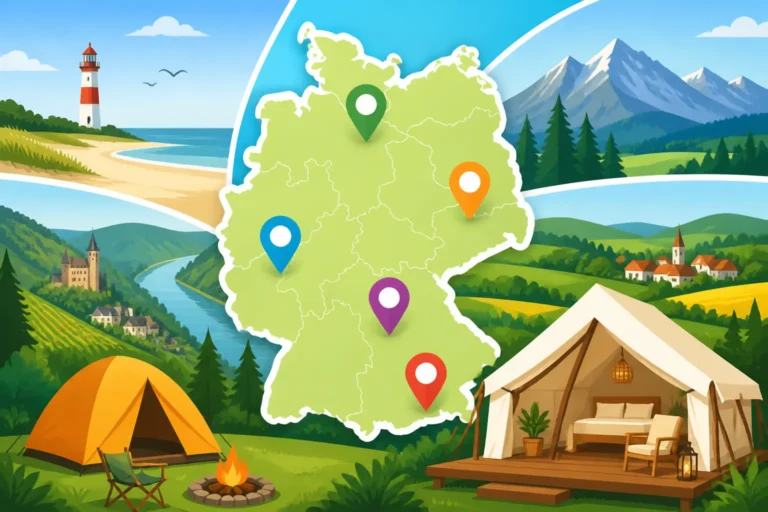
Consider the time of year and location. German summers, while generally lovely, can be unpredictable. Be prepared for anything from scorching sun to torrential downpours. Some festivals are set in picturesque natural landscapes, while others are in more urban or industrial settings. Think about what kind of atmosphere you're seeking. For instance, if you're chasing the rave experience, a festival like SonneMondSterne might be perfect. If it's classic rock, Hurricane or Southside (sister festivals) are solid choices. If you're a metalhead, Wacken is the obvious answer. For a more curated, genre-bending experience with an emphasis on art and community, you might look towards something like Immergut Festival or Superbloom in Munich. Don't be afraid to delve into niche genres; Germany truly excels at providing dedicated spaces for every subculture.
Ticketing, Accommodation, and Travel
Once you've zeroed in on your desired festival, it’s a race against time for tickets. Popular festivals often sell out in minutes, sometimes even before the full lineup is announced, purely on reputation. My advice? Sign up for email newsletters from your target festivals and set reminders for pre-sale dates. Official ticketing platforms are usually linked directly from the festival's website. Common platforms include Eventim (Germany's version of Ticketmaster), but many smaller festivals use their own bespoke systems. Be wary of unofficial resale sites; always try to buy directly or through verified fan-to-fan resale platforms if they're endorsed by the festival.
Tickets usually come in different tiers: early bird (cheapest, first to sell out), regular, and sometimes last-minute (most expensive). Many multi-day festivals will offer a combined "festival ticket + camping" option, which is almost always the way to go for the full experience. Day passes might be available for some events, but not all. For accommodation, on-site camping is the default and often the most immersive option. It's usually included or offered as an add-on with your festival ticket. If camping isn't your thing, look for nearby hotels or guesthouses on sites like Booking.com, but be prepared for inflated prices and limited availability, as these also get snapped up quickly. Some festivals might offer fancier "glamping" options, which can be a good compromise.
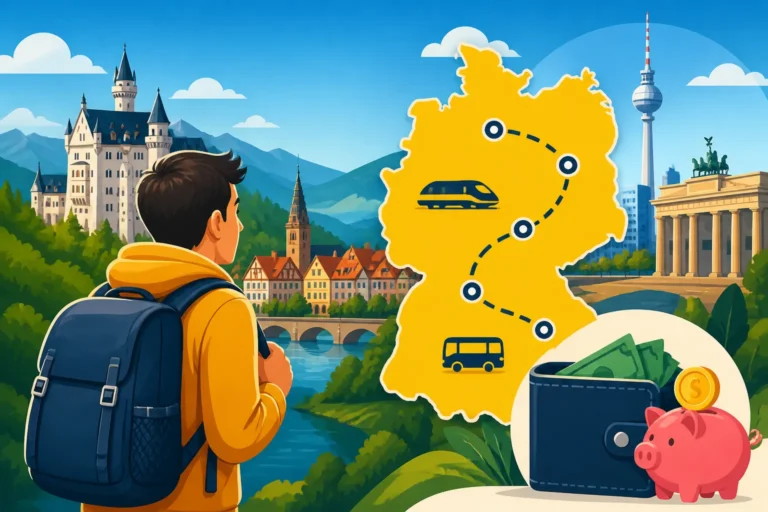
When it comes to travel, Germany's excellent public transport system is often your best bet. Look for train connections (Deutsche Bahn) to the nearest major town, and many festivals run dedicated shuttle buses from there directly to the site. You can often check train schedules and book tickets efficiently via platforms like Omio, which consolidates different transport options. For long-distance travel, FlixBus is another popular and often cheaper option. If you're driving, be aware that parking can be limited and expensive, and navigating rural roads with thousands of other festival-goers can be a challenge. Carpooling is a popular option and can be arranged through various online communities. Always aim to arrive early on the first day to set up camp without too much stress, especially if you're coming from afar. Remember, even with the excitement, planning your journey to and from the festival efficiently makes a huge difference to your overall enjoyment. Many festivals are quite remote, so relying solely on ride-sharing apps might leave you stranded.
What to Expect at a German Music Festival
You've got your tickets, your gear is packed, and you're ready to dive in. But what's the actual experience like on the ground? It's a mix of familiar festival tropes and distinct German quirks.
Festival Etiquette and Vibe
The general vibe at German music festivals is one of shared excitement and mutual respect. While people are there to party and let loose, there's also an underlying current of orderliness that might surprise you. Germans typically queue patiently, even for toilets or food stands, and there’s generally less pushing and shoving in crowds than you might encounter elsewhere. Cleanliness, as mentioned, is taken seriously. You’ll often find extensive recycling points, and people make an effort to use them. Dropping litter often earns you a polite, or sometimes not-so-polite, stare.
When it comes to interaction, people are generally friendly, especially after a few Bier. Don't be shy about striking up a conversation, even if your German is rusty. Many younger Germans, and most festival staff, will speak English. The atmosphere is generally very inclusive, though some sub-genre festivals (like Wacken) have an incredibly strong community feel that can feel daunting or welcoming, depending on your personality. Don't be surprised if people are quite direct; it's a cultural trait and not meant to be rude. Just embrace the practicality. The pace can sometimes feel a bit slower than, say, a UK festival. There isn't the same frantic urgency to catch every single act; people often take their time enjoying the atmosphere, chilling at their campsites, or exploring the peripheral offerings.
Packing Essentials and Health & Safety
Packing for a German festival means preparing for all weather conditions. I cannot stress this enough. Even in peak summer, a sunny day can quickly turn into a chilly, rainy evening. Your packing list should include:
- Sturdy, waterproof shoes or wellington boots: Essential for muddy fields.
- Rain gear: A waterproof jacket and trousers are a lifesaver. An umbrella is also common, but might block views.
- Layers of clothing: T-shirts, hoodies, a warm jacket for evenings.
- Camping essentials (if camping): A good tent (waterproof!), sleeping bag, sleeping mat, headlamp, portable charger. Don't skimp on a solid tent; German storms can be no joke.
- Sun protection: Sunscreen, hat, sunglasses.
- Reusable water bottle: There are often water refill stations.
- Small backpack/fanny pack: For carrying essentials on the festival grounds.
- Earplugs: Absolutely crucial for sleep (if camping) and protecting your ears during loud sets.
- Basic first aid kit: Band-Aids, pain relievers, blister plasters.
For health and safety, familiarize yourself with the festival's layout, especially the locations of first aid stations (often marked with a red cross or a symbol of the German Red Cross, DRK). Emergency numbers in Germany are 112 for ambulance and fire and 110 for police. Hopefully, you won't need them, but it's good to know. Stay hydrated, especially if you're drinking alcohol, and know your limits. German festivals usually have plenty of security staff and medical personnel on hand. Theft can occur, as anywhere, so keep valuables secure or, better yet, leave them at home. Many festivals also offer lockers for rent. You can find more comprehensive advice on general Emergency Numbers in Germany: Calling 112, Poison Control, and More.
Navigating the Grounds and Local Transport
Most multi-day festivals are sprawling, so grabbing a festival map as soon as you arrive (or downloading the festival app) is a smart move. These maps will show stage locations, food and drink vendors, toilets, first aid, and camping zones. Set a meeting point with your friends in case you get separated, as phone reception can sometimes be patchy with so many people in one area.
If you're staying off-site, understanding the local transport links to and from the festival is paramount. As mentioned, many festivals provide dedicated shuttle buses that run frequently between the nearest train station or major town and the festival site. The schedules are usually clearly posted on the festival website or at the bus stops. Deutsche Bahn is the main train operator, connecting most towns and cities. For tips on navigating Germany’s excellent rail network, check out guides like High-Speed Trains in Germany (ICE): Deutsche Bahn Routes and Savings. For city-specific transport, you might find useful information in Getting Around German Cities: U-Bahn, S-Bahn, Trams, and Buses. Don't underestimate the walk from your campsite to the main stages; it can often be quite a trek, so comfortable shoes are truly non-negotiable!
Experiencing the German Festival Culture
Beyond the music, German festivals are a vibrant tapestry of experiences, from diverse food stalls to the unique Pfand system. Embracing these cultural nuances will enhance your visit.
Food, Drink, and Pfand System
The food at German festivals is typically excellent and varied. You’ll find all the classic German street food staples: juicy Bratwurst, crispy Pommes (fries) with various sauces, and the ever-present Currywurst. But most festivals also cater to a wider palate, with offerings like Döner Kebap, various international cuisines, and increasingly, plenty of vegetarian and vegan options. Prices are what you'd expect at a large event – a bit higher than your local imbiss, but generally fair for the quality. Expect to pay around €5-€10 for a main meal.
When it comes to drinks, beer is, of course, king. You'll find a good selection of German beers, often from local or regional breweries, served cold and in generous sizes. Non-alcoholic options like water, soft drinks, and Apfelschorle (apple spritzer) are always available. Now, let’s talk about the Pfand system. This is probably the most uniquely German festival experience. Almost all drinks are served in reusable cups (or sometimes bottles) for which you pay a small deposit (typically €1-€3) on top of the drink price. When you return your empty cup, you get your Pfand back. This system significantly reduces waste and keeps the grounds cleaner. You’ll see people collecting discarded cups to return for the Pfand money, and it’s a perfectly normal, accepted practice. Don't be surprised if someone politely asks for your empty cup if you're about to throw it away! It's a fantastic system that keeps the festival looking much better than many other countries' events.
Making Connections and Language Tips
While many Germans are perfectly fluent in English, especially the younger festival crowd, knowing a few basic German phrases can go a long way. A simple "Hallo" (hello), "Danke" (thank you), "Bitte" (please/you're welcome), and "Entschuldigung" (excuse me/sorry) will get you far. If you need more in your arsenal, a quick look at Survival German for Travelers: Key Phrases to Learn First could be helpful. Don't be afraid to try out your German; most people will appreciate the effort, even if you stumble a bit.
German festival-goers, especially after a few drinks, are generally open and friendly. You might find yourself sharing a bench, a laugh, or even a dance with complete strangers. If you're camping, the campsite community can be incredibly welcoming. Germans often personalize their campsites with flags, elaborate setups, and even small sound systems, turning them into mini-parties. A friendly "Prost!" (cheers!) or "Schönes Festival!" (have a nice festival!) can often be the start of a fun interaction. Don't be surprised if people are quite comfortable in their own groups, but a genuine smile and an attempt to communicate will usually be met with warmth. Sometimes, you just need to appreciate the moment alongside others without needing to chat, and that's perfectly fine too.
A Glimpse into German Festival Life
Here’s a quick overview of some popular German music festivals to give you an idea of the landscape:
| Festival Name | Main Genre(s) | Location | Typical Attendance | Vibe/Notes |
|---|---|---|---|---|
| Rock am Ring | Rock, Metal, Alternative | Nürburgring | ~80,000 | Massive, iconic rock festival with international headliners. |
| Wacken Open Air | Heavy Metal | Wacken, Schleswig-Holstein | ~75,000 | Legendary metal festival, huge international following, often sells out instantly. |
| Fusion Festival | Electronic, Diverse | Lärz (near Berlin) | ~70,000 | Non-commercial, artsy, electronic, alternative. Unique, utopian experience. |
| Melt Festival | Electronic, Indie | Ferropolis (Dessau-Roßlau) | ~25,000 | Industrial backdrop, cutting-edge electronic and indie acts. |
| Hurricane / Southside | Rock, Indie, Electronic | Scheeßel / Neuhausen ob Eck | ~70,000 each | Sister festivals, large outdoor events with diverse lineups. |
| SonneMondSterne | Electronic | Saalburg-Ebersdorf | ~40,000 | Large electronic festival at a picturesque lake, huge international DJs. |
This table is just a tiny peek; there are countless other amazing festivals throughout Germany, from the techno haven of Nature One to the more family-friendly atmosphere of Deichbrand. Each one offers a unique slice of German culture fused with global music scenes.
So, there you have it. Attending a German music festival as a visitor is an experience unlike any other. It combines the raw energy of live music with German efficiency, a respect for the environment, and a diverse crowd ready to celebrate. Do your research, plan ahead, pack smart, and be open to the unexpected. You’ll be raising a Prost to your new favorite festival memory in no time!
Disclaimer
Please note that while this guide provides general information based on common experiences and public knowledge, festival rules, lineups, and specific policies can change. Always check the official website of the festival you plan to attend for the most up-to-date and accurate information regarding tickets, entry requirements, camping rules, and health and safety guidelines. Local regulations and circumstances may also vary. This information is for guidance purposes only and does not constitute professional advice.