How to Visit Berchtesgaden and Königssee
Many travelers arrive in Munich dreaming of the postcard-perfect Alpine vistas of Berchtesgaden and Königssee, only to get bogged down by confusing train connections or the sheer volume of tourists at the boat docks. This guide provides a veteran expat’s perspective on navigating the logistics, avoiding the biggest crowds, and making the most of this breathtaking corner of Bavaria.
Disclosure: This post may contain affiliate links. We may earn a commission at no extra cost to you if you make a purchase through these links. Read full disclosure.
Getting to Berchtesgaden Logistics and Planning
Reaching the deep south of Bavaria is a journey through some of the most beautiful landscapes in Europe, but the administrative side of German transit can be a headache if you aren't prepared. Most visitors approach from either Munich or Salzburg. If you are coming from Munich, you will likely be using the Deutsche Bahn network. While High-Speed Trains in Germany (ICE): Deutsche Bahn Routes and Savings can get you to nearby hubs quickly, the final leg to Berchtesgaden is almost always handled by regional trains or buses.
Arriving by Train or Bus
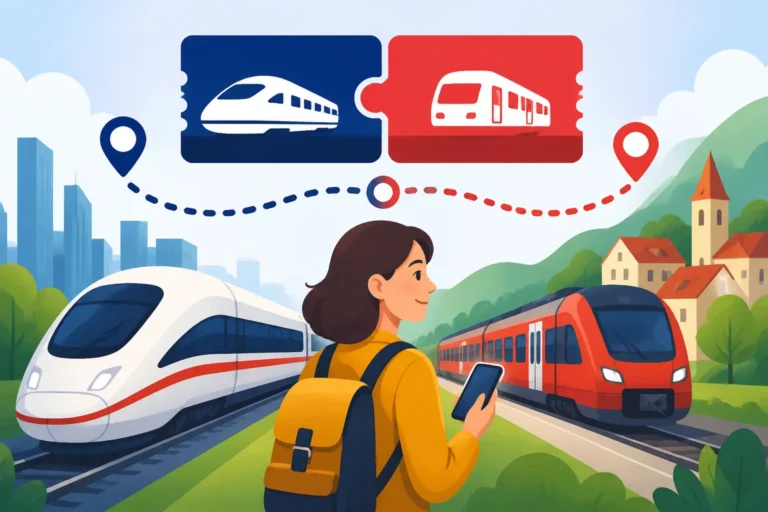
The most common route from Munich involves taking a regional train toward Salzburg and changing at Freilassing. This is where many newcomers get tripped up. The connection time in Freilassing is often less than ten minutes, and the platform for the Berchtesgadener Land Bahn (the local line) can be a bit of a trek from the main tracks. If you miss this connection, you’re often stuck waiting an hour in a very quiet station with limited amenities. To compare the most efficient routes and see if a bus might actually save you time, I often suggest checking Omio to view the latest schedules for both trains and long-distance buses like FlixBus.
If you are already in Salzburg, the journey is much simpler. The #840 "Watzmann Express" bus runs directly from the Salzburg main station to the Berchtesgaden ZOB (central bus station) in about 50 minutes. It’s affordable and scenic. For those living in Germany, using the Regional Trains and the Deutschland-Ticket Explained is the most cost-effective way to handle these regional hops, as the 49-euro ticket covers both the train from Freilassing and the local buses once you arrive in the valley.
Driving and Parking Realities
Driving offers the most flexibility, especially if you want to hit the Rossfeld Panorama Road or the Enzianbrenner distillery. However, parking at Königssee is a notorious pain point. The main parking lot is massive, yet during the summer months and German Public Holidays: How They Affect Life and Work, it can be completely full by 10:00 AM.
The machines take coins or cards, but Germany’s love for physical currency persists in the mountains. I always tell friends to keep a stash of 1 and 2-euro coins in the glove box. For more on this cultural quirk, see Cash vs Card in Germany: What Visitors Should Know. If you arrive late and the lot is full, do not try to park on the grass or side streets; the local Ordnungsamt (public order office) is incredibly efficient at issuing heavy fines to tourists.
Exploring Königssee The Jewel of the Bavarian Alps
Königssee is often called Germany’s most beautiful lake, and for good reason. It is a fjord-like emerald sliver carved between the sheer walls of the Watzmann massif. The most important thing to understand is that there is no path that goes around the lake. Because the mountains drop vertically into the water, the only way to see the lake is by boat.
The Electric Boat Ride to St Bartholomä and Salet
The fleet of electric boats has been running for over a century to keep the lake pristine. The lines at the ticket booth can be soul-crushing. To avoid spending two hours in the sun, I recommend booking your tickets online in advance or arriving at the dock by 8:15 AM. You can also find bundled tours on GetYourGuide that include the boat ticket and a guide to explain the history of the lake and the famous trumpet echo.
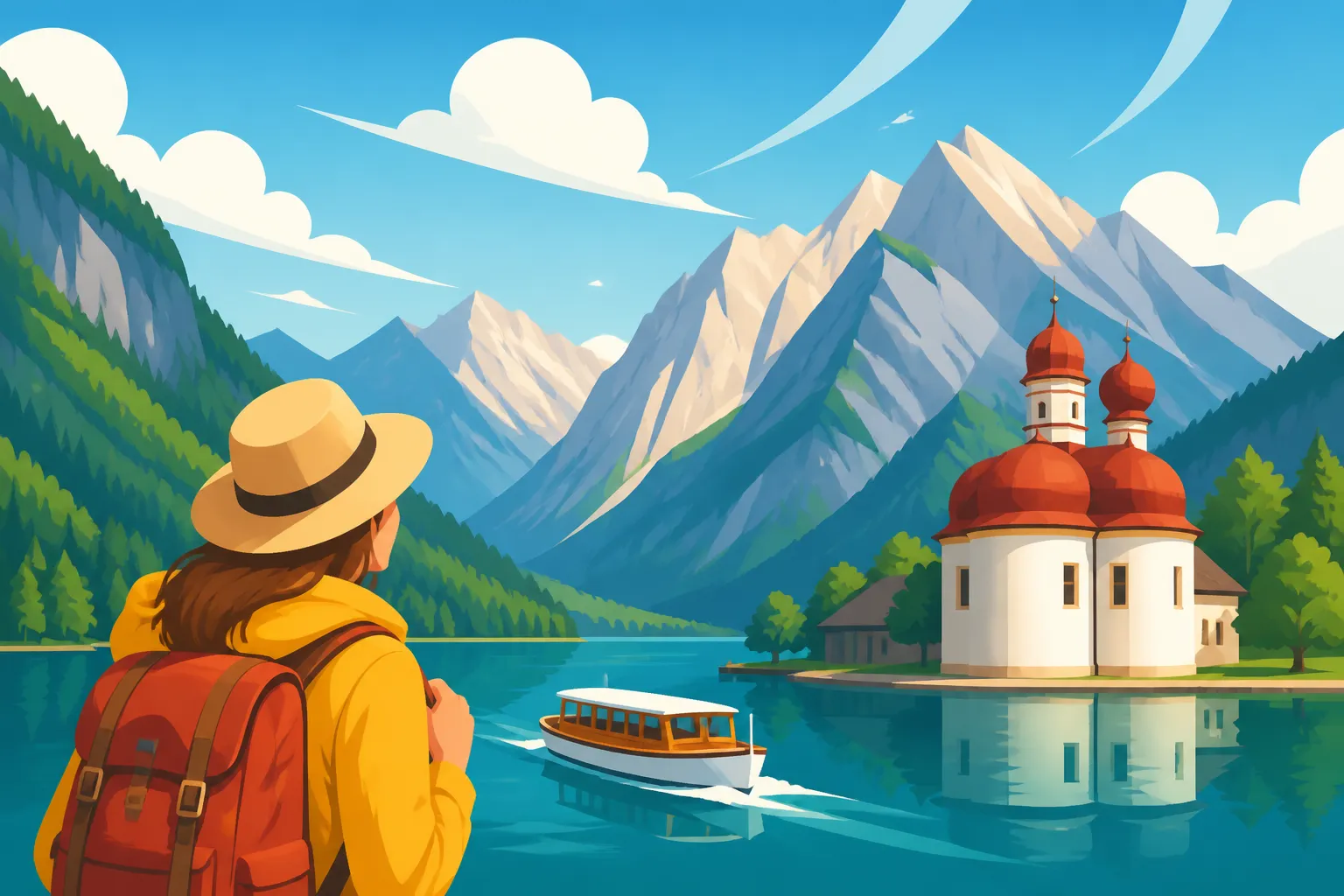
The boat makes two primary stops. The first is St. Bartholomä, the iconic red-domed chapel. Most people get off here, grab a smoked trout from the local fishery, and take a few photos. However, if you want the "real" experience, stay on the boat until the final stop: Salet. This is the gateway to the Obersee, a smaller, even more secluded lake. The boat ride takes about 55 minutes to reach Salet, so plan your day accordingly. If you miss the last boat back from Salet, you are looking at a very expensive and difficult emergency rescue or a cold night in a mountain hut.
Hiking to Obersee and the Röthbach Waterfall
From the Salet dock, it is an easy 15-minute walk to the edge of the Obersee. The water here is so clear it looks like glass. For the best views, follow the trail around the right side of the lake to the Fischunkelalm hut. This path is rocky and can be slippery after rain.
Beyond the hut lies the Röthbachfall, the highest waterfall in Germany. It’s a magnificent sight, but the hike to the base of the falls adds another hour and involves some elevation. Wear actual hiking boots. I’ve seen far too many tourists trying to navigate these Alpine trails in flip-flops, which is a recipe for a twisted ankle. Always prioritize Staying Safe in Germany: Common-Sense Tips for Travelers when heading into the mountains, as the weather can turn from sunny to a thunderstorm in minutes.
| Location | Travel Time (from Berchtesgaden) | Key Highlight | Effort Level |
|---|---|---|---|
| Königssee Dock | 10 mins (Bus) | Boat departure, souvenir shops | Very Low |
| St. Bartholomä | 35 mins (Boat) | Iconic church, smoked fish | Low |
| Obersee | 70 mins (Boat + Walk) | Reflective water, Fischunkelalm | Moderate |
| Eagle's Nest | 30 mins (Bus) | Panoramic views, WWII history | Moderate |
| Salt Mine | 5 mins (Bus) | Underground slides, train ride | Low |
Beyond the Lake Must See Attractions in Berchtesgaden
While the lake is the star, the town of Berchtesgaden and its surrounding peaks offer a deep dive into both natural beauty and complex history. It is worth spending at least two or three nights in the area. I suggest using Booking.com to find a traditional "Gasthof" or "Pension" rather than a large hotel; the local hospitality is much warmer in these family-run establishments.
The Eagle’s Nest Kehlsteinhaus Experience
Perched at 1,834 meters, the Eagle’s Nest is a site of immense historical gravity. Originally a gift for Hitler’s 50th birthday, it survived the war and now serves as a restaurant and viewpoint. To get there, you must take a specific gold-colored bus from the Obersalzberg parking lot. You cannot drive your private car to the top.
The bus ride itself is a marvel of engineering, hugging the side of the cliff on a road with only one hairpin turn. Once the bus drops you off, you walk through a 124-meter tunnel into the heart of the mountain and take a brass-plated elevator up to the house. The views over the Bavaria for Travelers: Munich, the Alps, and Beyond region are unparalleled. On a clear day, you can see all the way to Salzburg. Be sure to check the weather before buying your bus ticket; if it’s foggy, you will see nothing but white mist.
The Salt Mine and Local Traditions
If you have kids or if the weather turns sour, the Salzbergwerk Berchtesgaden is the perfect "Plan B." Salt has been mined here since 1517, and the tour is genuinely fun. You get dressed in traditional miners' overalls, ride a small train into the mountain, and—the highlight—descend two long wooden slides into the lower levels.
After the mine, take a walk through the Berchtesgaden town center. It’s much more than just a tourist hub. You’ll find shops selling authentic "Tracht" (traditional Bavarian clothing). If you’re lucky, you might stumble upon a local festival where the residents are wearing their lederhosen and dirndls not for the tourists, but because it’s a Sunday. For more on social norms, read up on German Social Etiquette for Visitors: Greetings and Punctuality.
Practical Tips for a Stress Free Visit
The difference between a magical trip to Berchtesgaden and a stressful one usually comes down to timing and understanding the local culture. Bavarians are famously direct, and the mountain culture here is even more so.
Timing Weather and Crowds
The "high season" is July and August, but September is actually the best time to visit. The air is crisper, the water is still emerald green, and the massive tour groups have thinned out. If you do visit in summer, please remember that Sundays are very different in Germany. While the boats and major tourist sites remain open, the supermarkets and local pharmacies in town will be closed. You can find more details in our guide on What closses on Sundays in Germany?.
Always check the "Berchtesgaden Webcams" before you head out for the day. The valley might be sunny while the Jennerbahn mountain station is shrouded in clouds. If the weather is poor, it’s a great time to visit a local brewery to experience German Beer Culture: Styles, Beer Gardens, and Breweries, as the cozy interiors are much better than a rainy hiking trail.
Where to Stay and Eat
For a central experience, stay in the town of Berchtesgaden itself. For a quieter, more "village" feel, look for accommodation in Schönau am Königssee. I usually browse Booking.com for apartments with a kitchen (Ferienwohnungen), which allows you to save money by cooking breakfast and packing a lunch for your hikes.
When eating out, look for "Wirtshäuser" (taverns). Order the Schweinshaxe (pork knuckle) or the local Kaspressknödel (cheese dumplings). If you are looking for a guided food experience or someone to handle all the logistics of a day trip from Munich, GetYourGuide offers several high-quality options that take the stress out of navigating the regional bus system. Finally, if you are planning to continue your journey toward Austria or other parts of Europe after your visit, Omio remains the most reliable tool for booking cross-border train tickets from Berchtesgaden to Salzburg and beyond.
Disclaimer
This guide is for informational purposes only. While we strive to provide the most accurate and up-to-date information regarding travel in Germany, schedules, prices, and regulations can change without notice. Always check official local sources and weather reports before embarking on mountain activities.