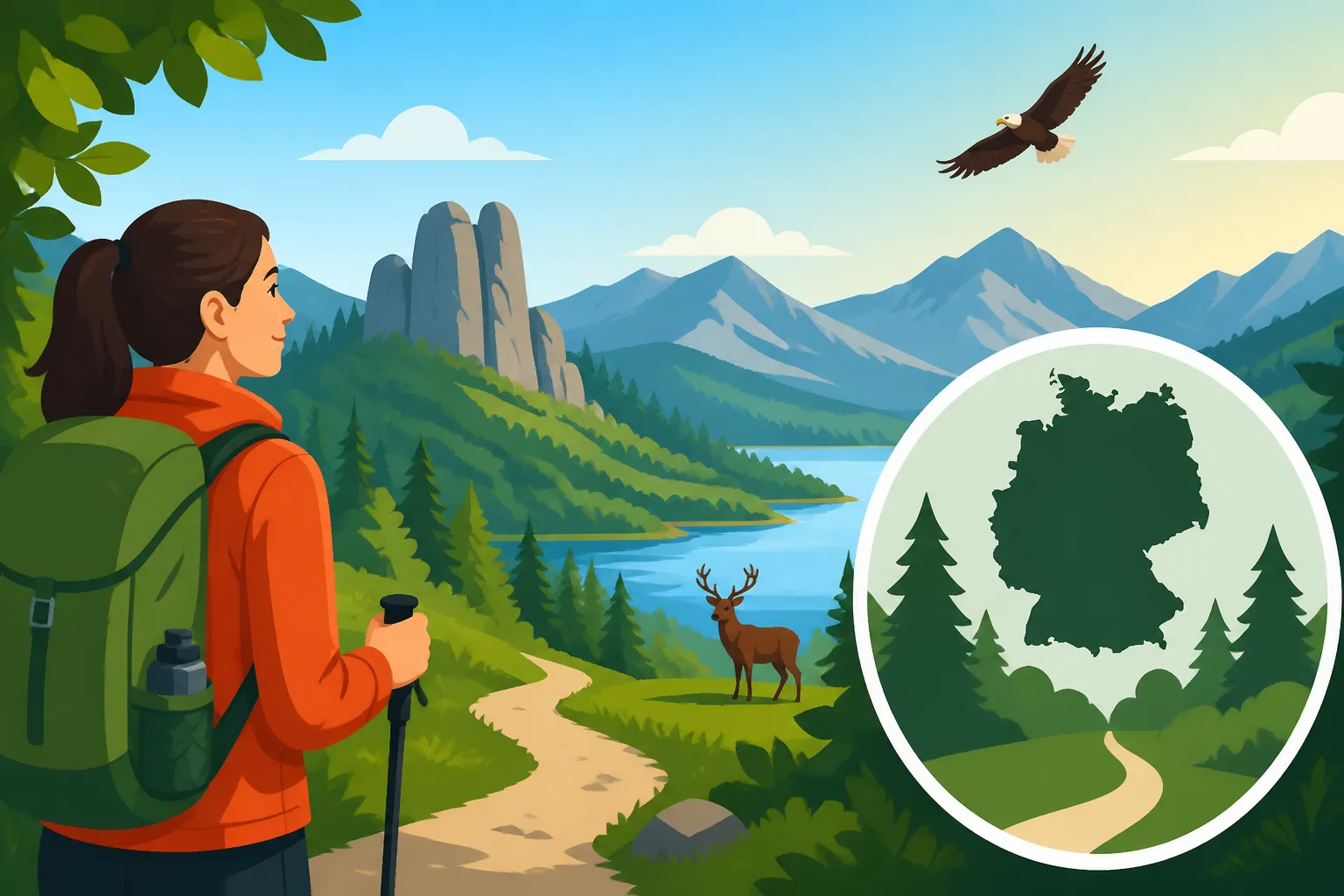
What German National Parks Are Easy to Visit?
Many visitors and new expats in Germany feel trapped within the concrete limits of Berlin, Munich, or Frankfurt, assuming that the country’s breathtaking wilderness requires a private car and advanced mountaineering skills. This guide solves that frustration by identifying the most accessible German National Parks that you can easily reach via public transport, ensuring your escape into nature is seamless and stress-free.
Disclosure: This post may contain affiliate links. We may earn a commission at no extra cost to you if you make a purchase through these links. Read full disclosure.
Why Accessibility Matters in Germany’s Wilderness
When I first moved here, I spent months staring at photos of the Alps and the ancient beech forests, but I was terrified of the logistics. I didn't own a car, and the thought of navigating regional bus schedules in the middle of nowhere felt like a recipe for getting stranded in a dark forest. However, the beauty of the German infrastructure is that many of its protected areas are surprisingly integrated into the national rail network.
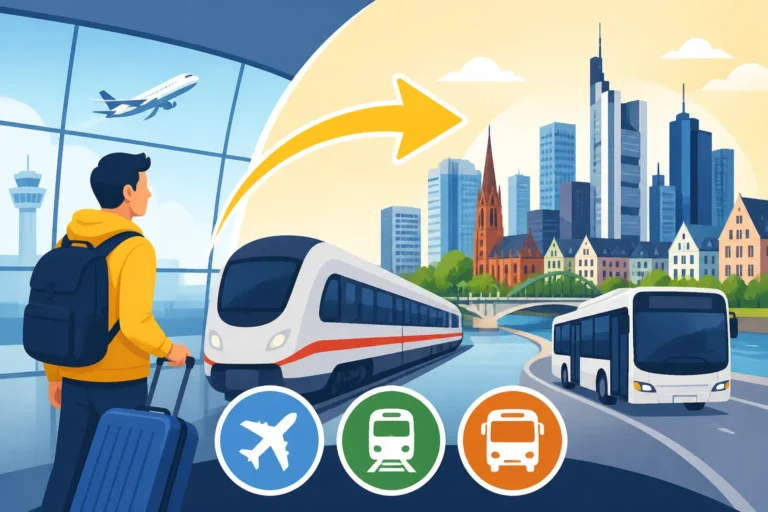
Living here long enough teaches you that the German concept of "Nature" is rarely about total isolation; it is about a managed, accessible harmony. You don't need to be a professional athlete to enjoy these spots. You just need to know which train platforms to stand on and which regional passes to buy. If you are worried about the journey, you can use Omio to compare various train and bus routes to ensure you are taking the most direct path to the trailhead.
The Myth of the Remote Forest
In North America or Australia, a National Park often implies a three-hour drive from the nearest civilization. In Germany, a National Park (Nationalpark) might literally have a train station right at its entrance. This accessibility is a double-edged sword. It means you don't need a car, but it also means you need to plan your timing to avoid the midday weekend rush.
I always tell newcomers to look for the "Gateway Cities." These are the urban hubs that serve as the perfect base for day trips. For example, staying in a city like Dresden or Munich allows you to enjoy a high-end dinner in the evening after spending the entire day hiking in a pristine valley. By using Booking.com to find a central hotel near the main train station (Hauptbahnhof), you can cut your morning commute to the wilderness down to under an hour.
Navigating the Deutsche Bahn Connection
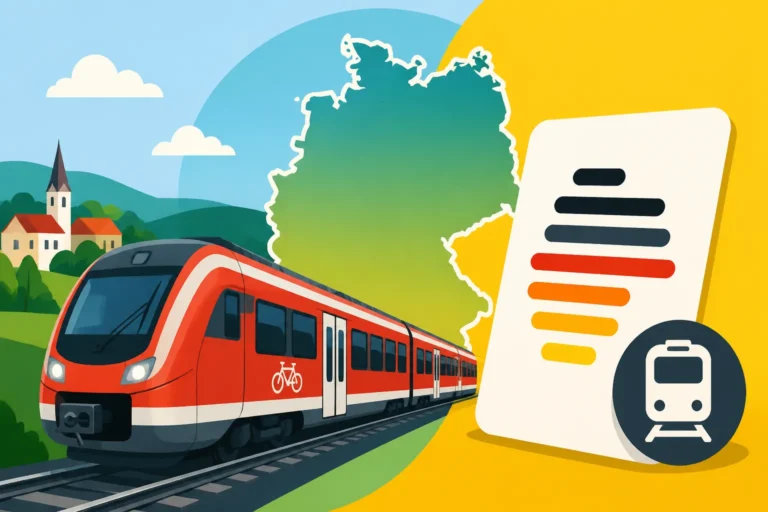
The backbone of your nature escape is the rail system. While the high-speed ICE trains get you between major cities, the regional trains (RB, RE, and S-Bahn) are what actually get you into the trees. I highly recommend learning How to Use the DB Navigator App in Germany before you set out. The app is a lifesaver for real-time delays and platform changes.
If you are traveling across regions, you might find that booking through Omio helps simplify the process, especially when comparing the cost-effectiveness of a regional ticket versus a long-distance fare. Remember that once you are in the "nature zones," your phone signal might dip. Always download your offline maps and keep a screenshot of your return train schedule. Knowing How to Travel Between German Cities Without a Car is essentially the first step to becoming a pro at German hiking culture.
Saxon Switzerland National Park (Sächsische Schweiz)
If I could only recommend one park for its sheer "ease of use," it would be Saxon Switzerland. Located just south of Dresden, this park is famous for its Elbe Sandstone Mountains and the iconic Bastei Bridge. It feels like a fantasy movie set, yet you can reach the heart of it in about 30 to 40 minutes from the Dresden city center.
To get there, you simply hop on the S1 S-Bahn line toward Schöna. The train runs along the Elbe River, providing a scenic preview of the towering stone pillars. You can get off at "Kurort Rathen" to access the Bastei Bridge. From the station, you take a tiny, charming ferry across the river for a couple of euros, and then you start your ascent. It’s paved, well-marked, and virtually impossible to get lost.
Planning Your Visit to the Bastei
The Bastei is the most photographed spot in the park, and for good reason. The views over the Elbe are staggering. However, because it is so easy to reach, it gets crowded. If you want a more guided experience or want to combine the park with a visit to the nearby Königstein Fortress, you can find excellent day-trip packages on GetYourGuide. This is particularly helpful if you want to skip the mental load of coordinating ferry and train times yourself.
For those who want to turn this into a weekend, I recommend checking out How to See Saxony: Dresden and Leipzig in a Weekend. Staying in Dresden is convenient, but there are lovely boutique guesthouses in the town of Bad Schandau. You can find these easily on Booking.com, and many of them offer a "Guest Card" that gives you free local transport during your stay.
Beyond the Bridge: Deep Hiking in the Hinterland
If you want to escape the crowds at the Bastei, stay on the S1 train until you reach the end of the line or get off at Schmilka. This area is the gateway to the "Hinterhermsdorf" section of the park. Here, the trails become more rugged and the silence more profound. You can hike through deep gorges where the sun barely reaches the moss-covered rocks.
One of my favorite hypothetical scenarios for a visitor is the "Kirnitzschtal Tram" experience. You take a historic yellow tram from Bad Schandau deep into the forest valley. It’s an incredibly atmospheric way to reach the trailheads without needing a car. Just remember that even in the woods, the German rules of punctuality apply; that tram will not wait for you if you’re thirty seconds late!
Black Forest National Park (Schwarzwald)
The Black Forest is legendary, but it is also massive. When people ask which part is "easy" to visit, they are usually looking for the Northern Black Forest National Park area, which was officially designated in 2014. The easiest entry point for expats and tourists is the elegant spa town of Baden-Baden.
From Baden-Baden, you can take a regional bus (Line 245) that climbs up the mountain to the Mummelsee or the National Park Center at Ruhestein. The "Schwarzwaldhochstraße" (Black Forest High Road) offers stunning views of the Rhine Valley and even the Vosges Mountains in France on a clear day. If you are coming from further away, check Omio for train connections to Baden-Baden or Freudenstadt to start your journey.
The KONUS Card Secret
Here is a veteran tip: if you stay overnight in one of the participating towns in the Black Forest, you receive the KONUS card. This card allows you to travel on all buses and regional trains throughout the entire Black Forest region for free. This makes the park incredibly "easy" to visit because your transport is already paid for. You can find plenty of KONUS-participating hotels and apartments on Booking.com.
With the KONUS card in hand, you can explore multiple trailheads in a single weekend. You might spend Saturday hiking around the Hornisgrinde (the highest peak in the northern forest) and Sunday visiting the Triberg waterfalls. For more logistical help, you can look at How to Plan a Black Forest Trip Without a Car. It’s one of the few places in Germany where the public transport system actually encourages you to wander aimlessly.
Adventure and Relaxation
The Black Forest isn't just about hiking; it's about the "Wellness" culture that Germans take very seriously. After a long hike through the dark pines, there is nothing better than returning to Baden-Baden for a soak in the Caracalla Therme. This combination of "roughing it" and "luxury" is the quintessential German outdoor experience.
If you're looking for something more structured, GetYourGuide often lists tours that include a visit to a traditional cuckoo clock workshop or a Black Forest cake tasting. These are great if you’re short on time and want to hit the cultural highlights alongside the natural ones. Just be prepared for the weather—the Black Forest earns its name, and it can be significantly cooler and rainier than the nearby cities.
Berchtesgaden National Park
If you want the quintessential Alpine experience—soaring peaks, emerald-green lakes, and the sound of cowbells—Berchtesgaden is the place. While it is tucked into the very southeast corner of Germany, it is remarkably easy to visit from Munich. It’s the perfect destination for those following a How to Plan a Bavaria and Alps Itinerary guide.
The easiest way to get there is the train from Munich to Freilassing, followed by a local connection to Berchtesgaden. The entire trip takes about two and a half hours. Once you arrive at the Berchtesgaden station, there is a fleet of regional buses waiting to take you to the famous Königssee (King’s Lake) in about ten minutes.
The Magic of Königssee and Obersee
The Königssee is often called the most beautiful lake in Germany. Because it is located within a National Park, no combustion engines are allowed on the water. You take a silent electric boat across the lake, which stops at the iconic St. Bartholomew’s Church. The ease of this trip is incredible; you go from a bustling city like Munich to a silent, fjord-like mountain lake with almost zero effort.
For a slightly more "wild" feel, stay on the boat until the final stop (Salet) and walk the flat path to the Obersee. The reflection of the mountains in the still water is something you’ll never forget. If you find the boat schedules or the various hiking options overwhelming, GetYourGuide offers several tours that depart from Munich or Salzburg, handling all the transport for you. This is a great option if you want to see the "Eagle’s Nest" (Kehlsteinhaus) as well, which is notoriously difficult to book on your own during peak season.
Practicalities in the Bavarian Alps
One thing to keep in mind is that Berchtesgaden is a high-altitude environment. Even if it is sunny in Munich, it can be snowing in the park. Always check the weather forecast on the DB Navigator app or the park's official website. If you're coming straight from the airport, make sure you know How to Get From Munich Airport to the City Center to start your journey efficiently.
For accommodation, use Booking.com to find a "Pension" (a traditional German guesthouse). These are often run by local families who can give you insider tips on which trails are currently snow-free. Also, keep in mind that this is a popular region for locals, so if you're eating out, you might want to look into How to Find Authentic Restaurants in Germany (Not Tourist Traps) to avoid the overpriced schnitzel spots right by the boat dock.
Jasmund National Park (Rügen Island)
For something completely different, head to the north. Jasmund National Park on the island of Rügen is home to the stunning white chalk cliffs (Kreidefelsen) that inspired the painter Caspar David Friedrich. It is the smallest national park in Germany, making it very manageable for a day trip or a weekend.
You can reach Rügen by taking a direct train from Berlin to Bergen auf Rügen or Binz. From there, local buses run frequently to the National Park Center at Königsstuhl. You can compare the train versus bus prices from Berlin using Omio, which is helpful because the prices can fluctuate wildly depending on how early you book.
The Chalk Cliffs and Ancient Beech Forests
The "easy" way to see the park is to take the bus directly to the visitor center, where a new suspended walkway (the Skywalk Königsstuhl) offers a bird’s-eye view of the cliffs without requiring you to scramble over rocks. However, the best way to experience Jasmund is to walk the "Hochuferweg" (High Shore Path) from the town of Sassnitz. It is a well-maintained trail that winds through UNESCO-protected ancient beech forests on one side and the turquoise Baltic Sea on the other.
If you are planning a longer stay on the coast, you should read How to Plan a Baltic Coast Beach Trip in Germany. Rügen has a unique "Resort Architecture" style that is very different from the rest of the country. Using Booking.com, you can find beautiful white-painted villas in Binz or Sellin that serve as a perfect base for exploring Jasmund.
Baltic Logistics
The North can be windy and brisk even in the summer. When visiting Jasmund, bring a windbreaker and sturdy shoes, as the chalk can be slippery when wet. If you’re coming for a day trip, GetYourGuide occasionally offers boat tours that sail along the coast, giving you the best view of the cliffs from the water—which is arguably better than the view from the top.
One unique thing about Jasmund is its size. You can essentially walk across the entire park in a few hours. This makes it a great "entry-level" park for those who aren't used to long-distance trekking. Just be sure to check the bus return times, as they become less frequent in the late afternoon.
Comparative Logistics Table
| National Park | Nearest Major City | Primary Transport | Ease Level | Must-See Landmark |
|---|---|---|---|---|
| Saxon Switzerland | Dresden | S-Bahn S1 (35 mins) | Very Easy | Bastei Bridge |
| Black Forest | Baden-Baden | Regional Bus 245 | Easy | Mummelsee / Hornisgrinde |
| Berchtesgaden | Munich | Regional Train (2.5 hrs) | Moderate | Königssee / St. Bartholomä |
| Jasmund | Stralsund / Binz | Regional Bus / Train | Easy | Königsstuhl Chalk Cliffs |
| Harz | Hannover / Goslar | Harz Narrow Gauge Railway | Moderate | Brocken Summit |
Practical Tips for a Smooth Nature Escape
Regardless of which park you choose, there are a few cultural "Germanisms" you need to be prepared for. First, the concept of What Closes on Sundays in Germany? applies even to the small towns near National Parks. While the parks themselves are always open, the local grocery stores will be closed. Always pack your snacks and water on Saturday.
Second, the payment system in remote areas can be frustratingly old-fashioned. While big cities are moving toward card payments, many small mountain huts (Hütten) or rural buses still only take cash. Read up on Cash vs Card in Germany: What Visitors Should Know to avoid the embarrassment of being unable to pay for your post-hike beer.
Booking Transport and Accommodations
I always recommend booking your long-distance trains via Omio at least two weeks in advance to get the "Sparpreis" (discounted) fares. If you wait until the day of travel, the prices can triple. For accommodations, Booking.com is the standard here, and I suggest looking for places that offer "Free Cancellation." Mountain weather is unpredictable; if a storm is coming, you’ll want the flexibility to move your trip by a few days.
Local Etiquette and Safety
In German National Parks, there is a strong "Leave No Trace" culture. You are expected to carry out everything you carry in. Also, stay on the marked paths. This isn't just for your safety; it's to protect the delicate ecosystems. Many areas are "Kernzonen" (core zones) where human interference is strictly prohibited.
If you find yourself in a situation where you need help, remember that the emergency number is 112. However, for minor issues like a missed bus or a closed trail, the locals are generally very helpful if you approach them with a polite "Guten Tag." Even if they don't speak perfect English, the universal language of pointing at a map usually works wonders.
Disclaimer
The information provided in this guide is for informational purposes only. While we strive to provide accurate and up-to-date travel advice, transportation schedules, local laws, and park conditions in Germany can change without notice. Always check official government sources and park websites before commencing your journey. The author is not responsible for any changes in service, closures, or incidents that may occur during your travels.