What’s the Best Month to Visit Bavaria?
Oh, Bavaria! It's one of those magical regions in Germany that captures everyone's imagination, whether you're dreaming of fairy-tale castles, majestic Alps, or vibrant beer gardens. But trying to figure out the absolute best month to visit can feel like navigating a complicated German bureaucracy form – there are so many factors to consider, and what's perfect for one person might be entirely wrong for another. This guide is here to cut through the confusion and help you decide which month truly aligns with your dream Bavarian adventure, from avoiding the worst crowds to catching the best festivals.
Disclosure: This post may contain affiliate links. We may earn a commission at no extra cost to you if you make a purchase through these links. Read full disclosure.
Understanding Bavaria's Seasonal Charm: A Year-Round Perspective
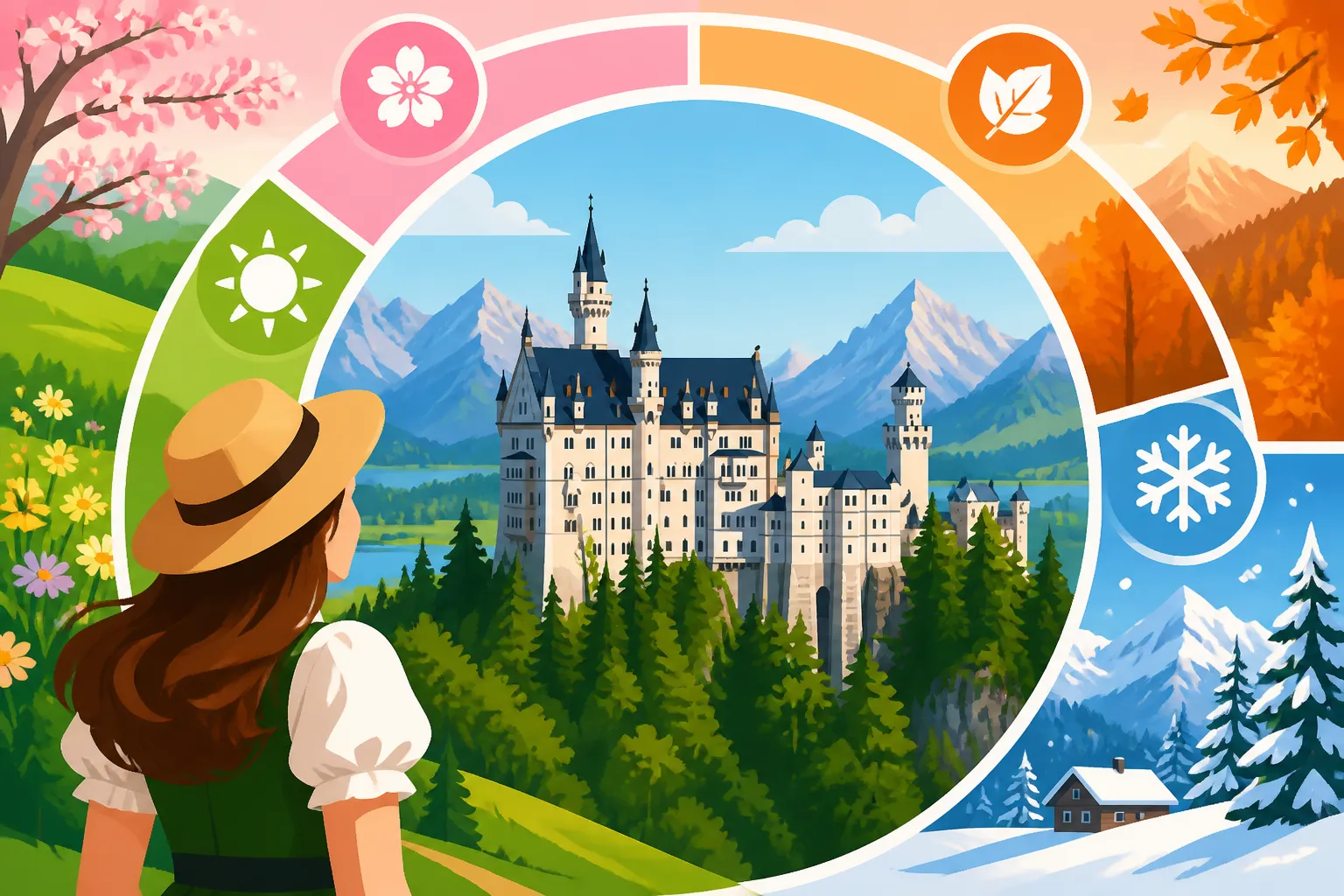
Bavaria, with its diverse landscapes ranging from rolling hills and vast forests to the dramatic peaks of the Alps, offers a distinctly different experience with each turn of the calendar. The idea of a "best month" is highly personal, truly depending on what kind of trip you're envisioning. Are you a sun-seeker yearning for lake swims and mountain hikes, or do you crave the cozy glow of Christmas markets and pristine ski slopes? Perhaps you're somewhere in between, hoping for pleasant weather, fewer crowds, and a taste of local culture without the intense tourist crush.
The Bavarian climate can be quite dynamic. Summers are generally warm, sometimes hot, especially in cities like Munich or along the Danube. Winters are cold, with snow common in the higher elevations and often in the foothills and cities too, though heavy snowfall in Munich itself isn't a given every year. Spring and autumn are transitional, offering a beautiful mix of burgeoning life or rich autumnal hues, but also unpredictable weather with sudden drops in temperature or rain. It’s a good idea to pack layers no matter when you come, because even in summer, evenings in the mountains can get chilly!
This regional variation is key. The Bavarian Alps, for instance, are stunning year-round but offer vastly different activities from month to month. Lake regions like the Chiemsee or Starnberger See are prime summer spots, while cities like Nuremberg or Regensburg have historical charms that shine in any season but are particularly enchanting during special events. Understanding this rhythm is the first step to unlocking your perfect Bavarian escape.
Chasing the Sun: Bavaria in Peak Summer (June to August)
If your vision of Bavaria involves long, sunny days, refreshing dips in crystal-clear lakes, and sprawling out in a bustling beer garden, then the summer months from June to August are probably calling your name. This is when Bavaria truly comes alive with outdoor activities, and the weather is generally at its most cooperative.
Pros of a Summer Visit
The biggest draw of summer is, without a doubt, the weather. Expect average temperatures to hover around 20-25°C (68-77°F), though heatwaves pushing into the low 30s are not uncommon, especially in July and August. The days are incredibly long, with daylight stretching past 9 PM, giving you ample time to explore.
This is prime time for hiking in the Bavarian Alps. Imagine ascending a peak near Garmisch-Partenkirchen, the air crisp, the views expansive, and then settling down for a hearty Brotzeit at an alpine hut. Lakes like Königssee near Berchtesgaden or Eibsee at the foot of the Zugspitze are simply breathtaking, and you can enjoy boat rides, swimming, or simply soaking up the sun on their shores. You can find detailed advice on Hiking in Germany: The Black Forest, Alps, and Beyond to plan your mountain adventures.
Beer gardens become the unofficial living rooms of Bavaria, overflowing with locals and tourists alike sharing liters of beer, giant pretzels, and hearty meals. Every city, every town, even small villages, will have their beloved outdoor seating areas buzzing with conversation. Summer is also a season of festivals, from local Volksfeste (folk festivals) celebrating everything from cherry blossoms to wine, to open-air concerts and historical reenactments. These local gatherings are a fantastic way to dive into authentic Bavarian culture.
Cons of a Summer Visit and How to Navigate Them
Here’s the realistic part: everyone else has the same idea. Summer is peak tourist season, meaning popular attractions like Neuschwanstein Castle, Munich's Marienplatz, and the scenic lake districts will be absolutely packed. This inevitably leads to longer queues, higher prices for accommodation and flights, and a more competitive scramble for restaurant reservations.
Accommodation can be particularly tricky. If you're looking for a specific hotel or a good deal, you'll need to book months in advance. Websites like Booking.com are indispensable here, allowing you to filter by location, price, and amenities. For getting around, trains are a fantastic option, and you can plan routes and buy tickets easily with services like Omio, which can help you compare train, bus, and even flight options. Remember, even train tickets can be more expensive during peak times, especially for high-speed routes, so early booking can save you a pretty penny.
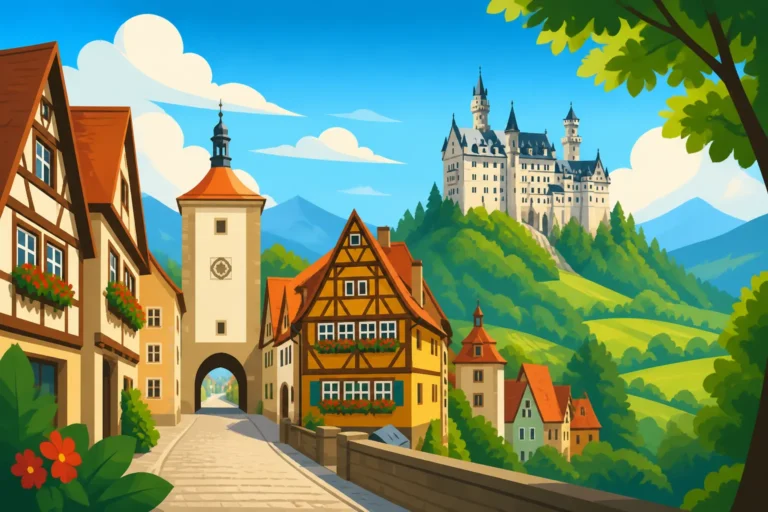
To beat the crowds, consider visiting popular spots early in the morning or late in the afternoon. Explore lesser-known towns or regions beyond the main tourist hubs; Bavaria is full of hidden gems. For example, while everyone flocks to Füssen for Neuschwanstein, the nearby town of Garmisch-Partenkirchen offers stunning mountain vistas and a charming village atmosphere with slightly fewer crowds. If you're wondering How Many Days Do You Need in Bavaria?, giving yourself extra time allows for flexibility to explore beyond the main attractions.
The Allure of Shoulder Seasons: Spring's Blossom and Autumn's Gold (April-May, September-October)
For many seasoned travelers and expats, the shoulder seasons – late spring (April-May) and early autumn (September-October) – offer the sweet spot for visiting Bavaria. You often get pleasant weather, manageable crowds, and unique seasonal events that aren't available at other times of the year.
Spring in Bavaria: A Time of Rebirth and Early Festivals
After a long German winter, spring bursts forth with incredible energy. April and May bring blooming flowers, vibrant green pastures, and a palpable sense of excitement as people emerge from hibernation. Temperatures typically range from 10-20°C (50-68°F), though early April can still be chilly, and late May can occasionally feel like early summer.
The biggest advantages of spring are the smaller crowds and often lower prices compared to summer. You can explore Munich's English Garden or walk through the historic streets of Nuremberg with a bit more breathing room. Hiking trails in the lower elevations become accessible, and boat tours on lakes might start up again, but without the summer rush.
Spring also hosts some delightful local festivals. Munich has its Frühlingsfest, a smaller, more local version of Oktoberfest, usually in April or May, complete with beer tents, rides, and traditional Bavarian cheer. Easter celebrations also bring their own unique traditions, like beautifully decorated fountains in Franconia or special markets. If you're visiting in May, keep an eye out for Maibäume (Maypoles) being erected in town squares, a charming ancient tradition.
Autumn in Bavaria: Oktoberfest and Fiery Foliage
Oh, autumn! This is arguably when Bavaria truly shows off its most dramatic colors. From late September through October, the landscapes explode with fiery reds, oranges, and golds, particularly in the forested areas and mountain foothills. The weather is generally crisp and cool, ranging from 8-18°C (46-64°F), making it perfect for invigorating hikes.
The elephant in the room for autumn in Bavaria is, of course, Oktoberfest. Held predominantly in September (and ending in early October) in Munich, it's a colossal folk festival that draws millions from around the globe. If this is why you're coming, then September is your month! Be warned, though, that during Oktoberfest, Munich becomes an incredibly expensive and crowded city. You'll need to book flights and Accommodation in Germany: Hotels, Pensionen, and Hostels far, far in advance – sometimes a year ahead! It’s a truly unique experience, but it’s not for the faint of heart or those on a strict budget. We even have a dedicated guide on How to visit Oktoberfest in Munich for the first time.
Outside of Munich during Oktoberfest, autumn is idyllic. The hiking trails are still open and less crowded than in summer. You can visit the castles, like Neuschwanstein (check out How to visit Neuschwanstein Castle From Munich for tips) and Hohenschwangau, with a beautiful autumnal backdrop. Wine regions, particularly in Franconia, will be celebrating their harvest with Federweißer (young, fermenting wine) and delicious onion tart. Booking excursions through platforms like GetYourGuide can be a great way to access these seasonal experiences without the hassle of planning every detail yourself, especially if language is a barrier.
The main downside of shoulder seasons can be the unpredictability of the weather. You might get glorious sunshine, or you might get a week of persistent rain. Attractions might also start to transition to shorter operating hours towards late October, so always check ahead.
Winter Wonderland: Bavaria's Cozy and Festive Side (November to March)
For those who love snow, cozy traditions, and a truly magical atmosphere, Bavaria in winter delivers. From late November through March, the region transforms into a picturesque, often snow-dusted, landscape.
Enchanting Christmas Markets and Alpine Adventures
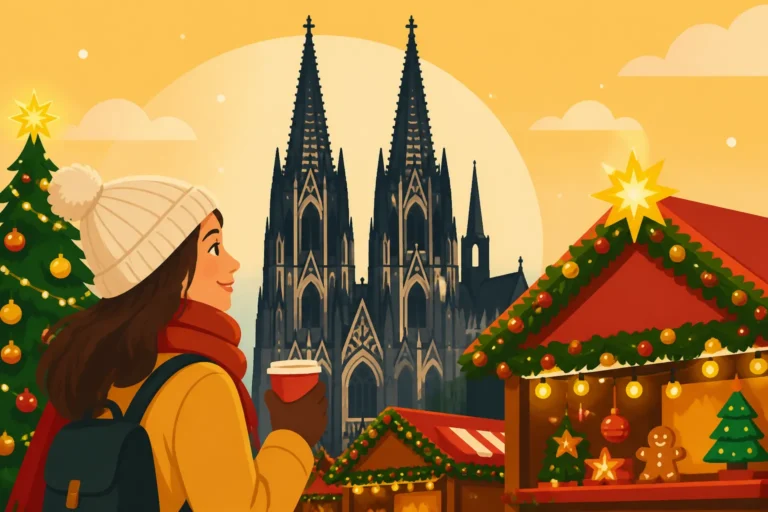
Starting in late November, the main draw for many visitors is the spectacular array of Christmas markets. Cities like Nuremberg, Munich, Regensburg, and smaller towns host enchanting markets filled with festive lights, handmade crafts, Glühwein (mulled wine), and delicious treats. Nuremberg's Christkindlesmarkt is world-famous, but you'll find charming markets everywhere. Our guide to Germany's Best Christmas Markets: Where to Go can help you plan your festive tour, and you'll definitely want to know What to Eat and Drink at a German Christmas Market! This festive period, typically until December 23rd or so, is a hugely popular time, and prices for flights and accommodation will spike accordingly.
Beyond Christmas, January and February are prime months for winter sports. The Bavarian Alps offer fantastic skiing and snowboarding opportunities, with resorts like Garmisch-Partenkirchen, Oberstdorf, and Berchtesgaden drawing enthusiasts. If skiing isn't your thing, you can enjoy snowshoeing, cross-country skiing, or simply taking a cable car up a mountain for stunning panoramic views of a snow-covered landscape. Learn more about Skiing in Germany: Resorts and Season Basics if you're hitting the slopes.
Winter is also a wonderful time for a more relaxed, cozy trip. Imagine sipping hot chocolate in a charming café, visiting museums in Munich without the summer crowds, or taking a scenic train ride through snow-draped forests. Cities are generally less crowded from January to March (outside of school holidays), offering a more authentic, local experience.
Challenges of a Winter Visit
The obvious challenge is the cold. Temperatures often hover around freezing (0°C / 32°F) or below, and snow is common, especially at higher altitudes. Days are much shorter, with daylight lasting only until 4 PM in mid-winter. This means less time for outdoor exploration, and some attractions, particularly those focused on nature or outdoor activities, might be closed or have very limited hours.
Winter driving conditions can also be tricky, especially in the mountains, so if you're planning to rent a car, be prepared for snow and ice. Public transport, particularly trains, is generally reliable, but heavy snowfall can sometimes cause delays. Using services like Omio to check schedules and potential disruptions is smart. If you plan to stick to cities, public transport is excellent, and you can generally get around without a car.
Outside of the Christmas market season, hotels might offer better deals, but remember that popular ski resorts will still see high demand. You can often find some great deals on Booking.com for city stays in January and February.
Which Month is Truly Best for You? A Quick Guide
To help you visualize the different experiences, here's a handy breakdown:
| Month/Season | Key Features & Activities | Pros | Cons | Crowd Level |
|---|---|---|---|---|
| March | End of ski season, early spring blossoms, less touristy. | Good for late skiing, lower prices, fewer crowds. | Cold and unpredictable weather, many outdoor attractions still closed. | Low |
| April | Spring awakening, Frühlingsfest (Munich), Easter markets. | Pleasant weather developing, moderate crowds, good value. | Variable weather (can still be chilly/rainy), some mountain activities not fully open. | Medium-Low |
| May | Full spring bloom, hiking in lower altitudes, Ascension Day/Pentecost holidays. | Beautiful scenery, comfortable weather, manageable crowds, longer days. | Some local holidays mean closures, mountain trails may still have snow. | Medium |
| June | Start of summer, long daylight hours, outdoor activities in full swing, lake fun. | Warm and pleasant weather, all attractions open, vibrant atmosphere. | Crowds building, higher prices, can be very hot in cities. | Medium-High |
| July | Peak summer, best weather for lakes & mountains, beer gardens, summer festivals. | Excellent weather, all activities available, lively atmosphere. | Peak crowds, highest prices for flights/accommodation, long queues. | High |
| August | Continuation of peak summer, school holidays, family travel, lots of outdoor events. | Warmest weather, full range of activities, lively. | Peak crowds, highest prices, most competition for bookings. | High |
| September | Oktoberfest (Munich), early fall foliage, pleasant hiking, wine festivals. | Combination of good weather and exciting events. | Munich is extremely crowded/expensive due to Oktoberfest. Other areas are moderate. | High (Munich), Medium (elsewhere) |
| October | Stunning fall foliage, end of Oktoberfest, cooler weather, pleasant for sightseeing. | Beautiful scenery, fewer crowds post-Oktoberfest, comfortable temperatures for walking. | Shorter days, increasingly unpredictable weather, some attractions close for winter. | Medium |
| November | Start of Christmas markets (late Nov), quiet cities before festive rush. | Cozy atmosphere, low prices before festive period, good for cultural trips. | Cold, short days, potentially gloomy weather. | Low (early Nov), Medium (late Nov for markets) |
| December | Full Christmas market season, festive decorations, New Year's Eve. | Magical festive atmosphere, snow potential, unique cultural experience. | High prices, peak crowds (especially around markets/holidays), very cold. | High |
| January | Winter sports, quiet cities, post-holiday sales. | Good for skiing/snowboarding, very low crowds (post-holidays), lower prices. | Very cold, short days, many outdoor attractions closed. | Low |
| February | Deep winter, Fasching/Carnival (esp. south/west Germany), continued winter sports. | Best for winter sports, unique Fasching celebrations, low crowds. | Very cold, short days, limited outdoor activities beyond winter sports. | Low |
Ultimately, the "best" month for visiting Bavaria is the one that best matches your personal preferences. For bustling outdoor activity and vibrant social scenes, aim for July or August. If festivals and foliage are your priority, September and October offer a fantastic, albeit crowded, Oktoberfest experience or a more peaceful exploration of autumnal beauty elsewhere. For lighter crowds and blooming landscapes, spring (April-May) is a winner. And if you dream of snow, festive markets, and cozy evenings, then winter (December-February) will cast a spell. Consider your priorities, pack smart, and you'll find Bavaria enchanting whenever you decide to visit!
Disclaimer
Please note that while I strive to provide accurate and up-to-date information, circumstances in Germany, including festival dates, weather patterns, opening hours, and travel regulations, can change. Always verify specific details such as travel restrictions, event schedules, and booking policies with official sources and providers before making final plans. This guide is for informational purposes only and does not constitute professional advice.