Card vs Cash in Germany: Why Your Foreign Card Gets Refused and What to Carry
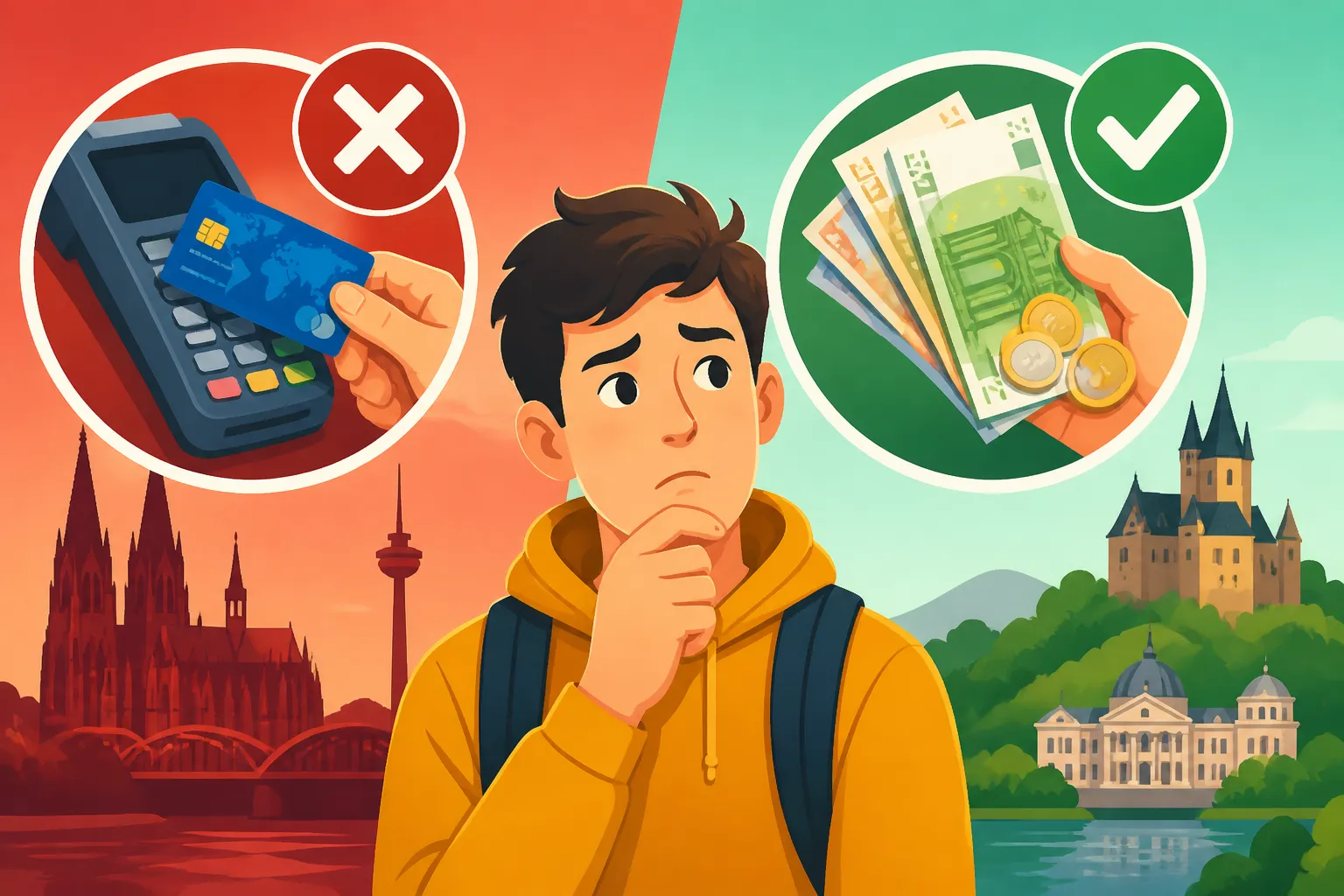
Oh, the classic German conundrum! You arrive here, excited, with your sleek foreign debit or credit card, expecting to tap and go just like back home, only to be met with that familiar shake of the head and the terse "Nur Bargeld, bitte!" or the exasperating "Karte geht nicht!" It’s a rite of passage for every expat, and trust me, you're not alone in that moment of bewildered frustration. This guide is here to unravel the mysteries of cash versus card payments in Germany, helping you understand why your plastic often gets refused and, more importantly, what you absolutely need to carry to survive and thrive without a constant headache. We'll also dive into how a solution like Wise can be your best friend in navigating this unique financial landscape.
Disclosure: This post may contain affiliate links. We may earn a commission at no extra cost to you if you make a purchase through these links. Read full disclosure.
The German Love Affair with Cash: Why It Still Dominates
Germany has a reputation for efficiency and technological advancement, but when it comes to payment methods, it often feels like stepping back in time. Despite the global push towards cashless societies, cash, or Bargeld, remains king here. This isn't just a quirk; it's deeply rooted in the country's history and cultural values.
Historical and Cultural Roots
Germany's preference for cash isn't merely a habit; it's a legacy. Following World War II and various economic crises, Germans developed a deep-seated distrust of banks and paper money that could devalue overnight. Physical cash, tangible and independent of financial institutions, became a symbol of security and control. My own Oma still keeps a significant amount of cash tucked away at home, a habit passed down from her parents who lived through hyperinflation. This mindset persists, especially among older generations, who prefer the certainty of cash over the perceived volatility of digital transactions. They see it as a direct, untraceable, and reliable form of payment that doesn't rely on potentially hackable systems.
Beyond the historical context, there's a strong cultural emphasis on privacy. Germans are famously protective of their personal data, and this extends to financial transactions. Paying with cash offers anonymity that card payments simply cannot. Each card transaction leaves a digital footprint, which many Germans view with suspicion. They don't want their purchasing habits tracked, analyzed, or potentially misused by banks or corporations. This preference for data privacy means that many smaller businesses, in particular, prefer cash transactions, not just for the perceived privacy but also to avoid card processing fees and the administrative burden of reconciliation.
The Deep-Seated Trust in Bargeld
Walk into almost any baker (Bäckerei), a bustling street market (Wochenmarkt), or a cozy corner café, and you'll quickly realize that cash is the expected mode of payment. It's fast, simple, and requires no technology beyond a sturdy wallet. For many Germans, the act of handing over physical money and receiving change is an ingrained ritual, a simple exchange that feels more "real" and trustworthy than a digital ping. This trust in Bargeld means that even if a business technically accepts cards, there’s often a subtle (or not-so-subtle) preference for cash, especially for smaller amounts.
This trust extends to the feeling of having a clear overview of your finances. With cash, you physically see your money decreasing, which can help with budgeting and spending control. Many expats find that carrying a certain amount of cash helps them stay within their daily budget, especially when visiting local shops or grabbing a quick snack. It’s a tangible way to manage your expenses, unlike the sometimes abstract nature of card spending. This practical benefit, combined with the cultural acceptance, solidifies cash’s place at the top of the payment hierarchy in many everyday situations.
Data Privacy Concerns
The specter of data collection looms large in the German consciousness, far more than in many other countries. The idea that every purchase you make with a card could be logged, categorized, and potentially shared is a genuine concern for a significant portion of the population. This isn't just about avoiding targeted advertising; it's about a fundamental right to financial privacy. The Schufa, Germany's leading credit rating agency, already collects a lot of data, and Germans are wary of adding more to the digital dossier. This sentiment has been a major barrier to the widespread adoption of digital payment solutions, even as other European nations have embraced them with open arms.
Businesses, too, often align with this sentiment. For small, independent shops, family-run restaurants, or quaint bookstores, maintaining customer trust often means respecting their privacy choices. By offering cash-only options, they implicitly communicate an understanding of these privacy concerns. This creates a cycle: consumers prefer cash for privacy, so businesses cater to it, further reinforcing the cash-dominant culture. It’s a strong cultural feedback loop that's not easily broken, leading to situations where your shiny, internationally accepted card simply isn't accepted, not out of malice, but out of deeply held beliefs.
Navigating Card Payments: What Works, What Doesn't, and Why
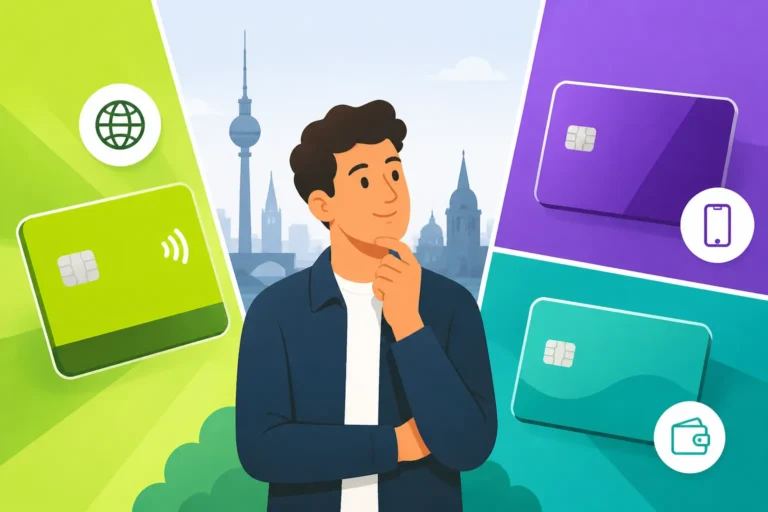
While cash is king, it doesn't mean cards are completely useless in Germany. You just need to know which cards play well and where. This is where most expats hit a wall, figuring out the difference between the local EC-Karte and your international Visa or Mastercard.
The EC Card (Girocard) vs. Credit Cards
The absolute champion of card payments in Germany is the EC-Karte, now officially known as the Girocard. This is a debit card linked directly to a German bank account, and it's what virtually every German citizen uses for everyday card payments. Most small businesses, even if they accept plastic, are primarily set up to process Girocard transactions because the fees are lower for them. If a sign says "Kartenzahlung möglich" (card payment possible), it often implicitly means Girocard. Your foreign debit or credit card, even if it's a Visa or Mastercard, is often treated differently, incurring higher transaction fees for the merchant, which is why some will flat-out refuse it, especially for small purchases.
True credit cards (Visa, Mastercard, American Express) are less common for daily transactions here. While major supermarkets, department stores, and international chains will almost always accept them, many smaller shops, local eateries, and independent service providers do not. American Express, in particular, often faces rejection due to its even higher processing fees for merchants. It’s not that the technology isn't there; it's simply a business decision based on local preferences and cost structures.
Common Places Where Cards Get Refused
Prepare for the card refusal dance in several everyday scenarios. Bakeries (Bäckereien) and butchers (Metzgereien) are notorious cash-only zones. You'll often find yourself digging for coins for your morning Brötchen. The same goes for street vendors, local markets (Wochenmärkte), and many small cafés or kiosks. Even some pharmacies (Apotheken) for minor purchases, particularly after hours, might prefer cash, as I've personally experienced more than once when I desperately needed a late-night cold remedy. Don't even think about using a card at most public toilets (you'll need a 50-cent coin!).
For example, when you go to your favorite weekly market to pick up fresh produce, artisanal cheeses, or local honey, almost every vendor will expect cash. They deal with high volumes of small transactions, and the overhead of card machines or the fees associated with international cards just isn't worth it for them. Even many popular chain restaurants, particularly in smaller towns, might have a minimum spend for card payments (€10-€20) or just accept Girocard. Always carry some cash, especially if you're venturing beyond major shopping centers and international restaurants.
Contactless Payments and Mobile Wallets
While Germany has been a bit slow on the uptake, contactless payments (like Apple Pay or Google Pay) and mobile wallets are becoming more common, especially in larger cities and at bigger retailers. Many newer card terminals now support tap-to-pay. However, remember the underlying card. If your mobile wallet is linked to a foreign credit card, you might still encounter the same issues as if you were using the physical card itself. The technology for contactless payment is there, but the acceptance of the type of card it's linked to remains the critical factor.
It's a tricky situation because the physical act of tapping your phone feels very modern, but it doesn't bypass the merchant's preference for lower-fee Girocard transactions or their general policy on international credit cards. For example, you might tap your phone at a Lidl or Rewe, and it works perfectly. But try it at a small independent bookstore or an Italian ice cream parlor, and you might get that familiar "Sorry, cash only." The pace of adoption for true mobile-only payments, independent of underlying card networks, is still lagging behind countries like the UK or Sweden.
Foreign Card Woes: Understanding the Fees and Rejections
The double whammy for expats is not just outright rejection, but also the hidden fees. Many foreign banks charge foreign transaction fees (typically 1-3%) every time you use your card in a different currency. On top of that, if you're pulling cash from an ATM, your bank might charge an ATM withdrawal fee, and the German bank operating the ATM might also levy a fee, sometimes a hefty €3-€5 per transaction. These costs add up incredibly quickly, making small purchases surprisingly expensive.
This is precisely where services like Wise become a lifeline. A Wise account allows you to hold Euros, get a local German IBAN, and use their debit card, which functions much like a local Girocard in many respects and avoids those nasty foreign transaction fees. It gives you an easy way to manage different currencies and spend in Euros directly, often at the real exchange rate. This can dramatically cut down on unexpected charges and give you a smoother payment experience, whether you're grocery shopping at Edeka or buying a train ticket for a weekend trip. When you're constantly confronted with "Karte geht nicht," having a multi-currency card that feels more "local" can really ease the stress. Learn more about Using Wise, TransferWise and Revolut: Fintech Solutions for Expats to compare your options.
Here's a quick overview of where you might expect to use certain payment types:
| Place/Type of Purchase | Cash (Bargeld) | Girocard (EC-Karte) | International Credit Card (Visa/MC) | Contactless/Mobile Pay (if linked to Int'l card) |
|---|---|---|---|---|
| Small Bakeries, Butchers | ✅ | ❌ | ❌ | ❌ |
| Street Food, Weekly Markets | ✅ | ❌ | ❌ | ❌ |
| Small Cafés, Kiosks | ✅ | ✅ | ❌ | ❌ |
| Public Toilets | ✅ | ❌ | ❌ | ❌ |
| Larger Supermarkets (Rewe, Edeka) | ✅ | ✅ | ✅ | ✅ |
| Discount Supermarkets (Lidl, Aldi) | ✅ | ✅ | ✅ | ✅ |
| Department Stores, Fashion Chains | ✅ | ✅ | ✅ | ✅ |
| International Restaurants/Chains | ✅ | ✅ | ✅ | ✅ |
| Local Restaurants (small/medium) | ✅ | ✅ | Sometimes | Sometimes |
| Taxis | ✅ | Sometimes | Sometimes | Sometimes |
| Train/Bus Tickets (machines) | ✅ | ✅ | ✅ | ✅ |
| Online Shopping (German sites) | ❌ | ✅ | ✅ | ✅ |
Note: "Sometimes" means it varies significantly by individual business.
Your Wallet Strategy: Finding the Right Balance
So, what's the game plan? You can't just throw your hands up and resort to only cash, but you also can't rely solely on your foreign plastic. It’s all about a balanced approach.
How Much Cash to Carry
This is the golden question! There's no one-size-fits-all answer, but a good rule of thumb is to always have €20-€50 in your wallet. This covers small purchases like coffee, snacks, bus tickets, or that impromptu pretzel from a street vendor. For a day of exploring, especially if you plan to visit local markets, smaller museums, or dine at independent restaurants, I'd suggest closer to €50-€100. Remember, shops are generally closed on Sundays, and while gas stations might be open, smaller kiosks or bakeries (some are open Sunday mornings) will often be cash-preferred. If you're planning a trip outside a major city to a smaller town or village, always increase your cash buffer.
My personal strategy involves topping up my cash once a week, usually after a grocery run at a major supermarket where I can often get cashback with my Girocard or Wise card if I purchase something. This saves me an extra trip to the ATM. This way, I always have enough Bargeld for the essentials without carrying a ridiculous sum that makes me feel unsafe. Plus, it helps me track my spending more consciously, as that stack of €5 notes dwindles.
Essential Banking Tools for Expats
As an expat, setting yourself up with the right financial tools is non-negotiable. First and foremost, you absolutely need to Open a Bank Account in Germany: Step-by-Step for Newcomers. This will get you a German IBAN and, crucially, a Girocard, which will drastically improve your day-to-day payment experience. Traditional banks like Sparkasse, Commerzbank, or Deutsche Bank are reliable, though their online banking might not always be the most intuitive for non-German speakers.
Alternatively, many expats find online-only banks or fintech solutions to be a breath of fresh air. Banks like N26 or Comdirect offer easy-to-use apps and often English-speaking customer service, which can be a godsend. These platforms usually provide a Girocard equivalent or a Mastercard debit card that's widely accepted. You can explore options like Mobile Banking Apps in Germany: N26, Revolut, and More to see what fits your needs.
And of course, for those pesky international transfers or managing money across currencies, Wise is simply indispensable. Instead of having to constantly transfer money from your home account and incur fees, you can use your Wise account to receive money, hold it in Euros, and spend it directly with their multi-currency debit card. This card is often accepted where international credit cards are, but without the brutal foreign transaction fees. It's like having a local's advantage without needing a full German bank account from day one. It's an excellent stop-gap for newcomers and a long-term solution for those who frequently deal with international finances.
Making International Transfers and Payments Easy
Transferring money back and forth between your home country and Germany, or even paying for things in other currencies, can be a headache. Traditional banks can charge exorbitant fees and offer terrible exchange rates. This is where fintech services shine. When you need to Transfer Money Internationally: Cheapest Ways to Send Money Abroad, Wise consistently comes out on top for its transparent fees and real exchange rates.
Imagine needing to pay your rent, or maybe your health insurance premiums, which are often substantial. Using your home bank might cost you a significant chunk in transfer fees and currency conversion markups. With Wise, you can move money into your Euro balance at a much better rate and then use that balance to pay your bills directly via a German IBAN. This isn't just about saving money; it’s about reducing the mental load of financial management in a new country. Having a seamless way to move and manage your money means one less bureaucratic hurdle to jump over, giving you more time to enjoy your life in Germany. Wise truly makes your money work smarter, not harder, across borders.
Practical Tips for a Smooth Transaction Experience in Germany
Navigating German payments doesn't have to be a constant struggle. A few simple habits can save you a lot of grief and awkward moments at the checkout.
Always Ask "Kann ich mit Karte zahlen?"
When in doubt, always ask! Before you order that coffee or pick up a souvenir at a small shop, politely ask, "Entschuldigung, kann ich mit Karte zahlen?" (Excuse me, can I pay with card?). Or even simpler, just "Karte?" accompanied by a hopeful look. This small question can prevent an embarrassing scramble for cash at the till. If they say "Nein, nur Bargeld," you know immediately and can either pay cash or politely excuse yourself. Over time, you'll start to recognize the types of establishments that are typically cash-only or card-friendly. Larger, modern stores and chains are usually fine, while smaller, traditional, or very local businesses lean towards cash.
Even if you have your Wise card or a German Girocard, it's good practice to ask, especially for smaller amounts in independent stores. It shows respect for their preferences and helps you adapt to the local customs. Many places are now accepting cards for amounts over, say, €5 or €10, so it’s always worth checking before assuming.
The ATM Experience: Finding Cash and Avoiding Fees
You'll need cash, so you'll need ATMs. The good news is they are plentiful. Look for ATMs operated by major German banks like Sparkasse, Deutsche Bank, Commerzbank, or Volksbank. While you can usually withdraw cash from any bank's ATM with your foreign Visa or Mastercard, beware of potential fees. Many ATMs will clearly display any charges before you confirm the transaction. As mentioned, your own bank might charge a fee, and the ATM operator might add one too.
To minimize fees, consider these strategies:
- Use a local German Girocard: Once you have a German bank account, withdrawals from your own bank's ATMs are usually free. Withdrawals from other German bank ATMs might incur a small fee or be free if the banks are part of a network like Cash Group (Deutsche Bank, Commerzbank, HypoVereinsbank, Postbank).
- Use a Wise card: The Wise debit card allows you to withdraw cash in Euros from your Euro balance without foreign transaction fees, and often with some free ATM withdrawals up to a certain limit per month. This is a fantastic way to access cash cheaply.
- Withdraw larger amounts less frequently: Each ATM transaction often incurs a flat fee, so it's more cost-effective to withdraw €100 once than €20 five times.
- Decline dynamic currency conversion (DCC): If an ATM offers to charge you in your home currency, always decline. Choose to be charged in Euros. DCC often comes with a terrible exchange rate and hidden fees.
You can learn more about Using ATMs in Germany: Tips to Avoid Extra Charges to ensure you're getting the best deal when you need to top up your Bargeld.
The Rise of Digital Solutions
While Germany holds onto its cash, there's a slow but steady shift towards digital. Apps like Google Pay and Apple Pay are gaining traction, especially among younger generations and in tech-forward cities like Berlin. Many public transport systems now allow you to purchase tickets through apps or directly via contactless payment with your debit or credit card. Companies like FlixBus, the popular long-distance bus service, are entirely ticketless, requiring you to show a QR code on your phone.
Even for smaller transactions, while cash is still prevalent, the landscape is evolving. Many small businesses are starting to offer QR-code based payment solutions or mobile terminals, but it’s not yet ubiquitous. For the expat, embracing a multi-currency solution like Wise offers the best of both worlds: you have a card that functions like a local one, avoiding foreign fees, and you can easily manage your Euro balance to ensure you always have enough for both card and cash payments. It's a pragmatic solution for navigating Germany's unique financial ecosystem, allowing you to pay like a local whether you're tapping your card or pulling out some crisp Euro notes. Ultimately, the smart expat in Germany is prepared for anything, with both a good stack of cash and a versatile, low-fee digital payment solution in their pocket.
Disclaimer
Please note that this guide provides general information for expats and tourists in Germany. While we strive for accuracy, financial regulations and business practices can change. Always verify current policies with individual merchants or financial institutions. This content is not financial advice.