Cycling Long-Distance Routes in Germany: Third-Party Liability Cover
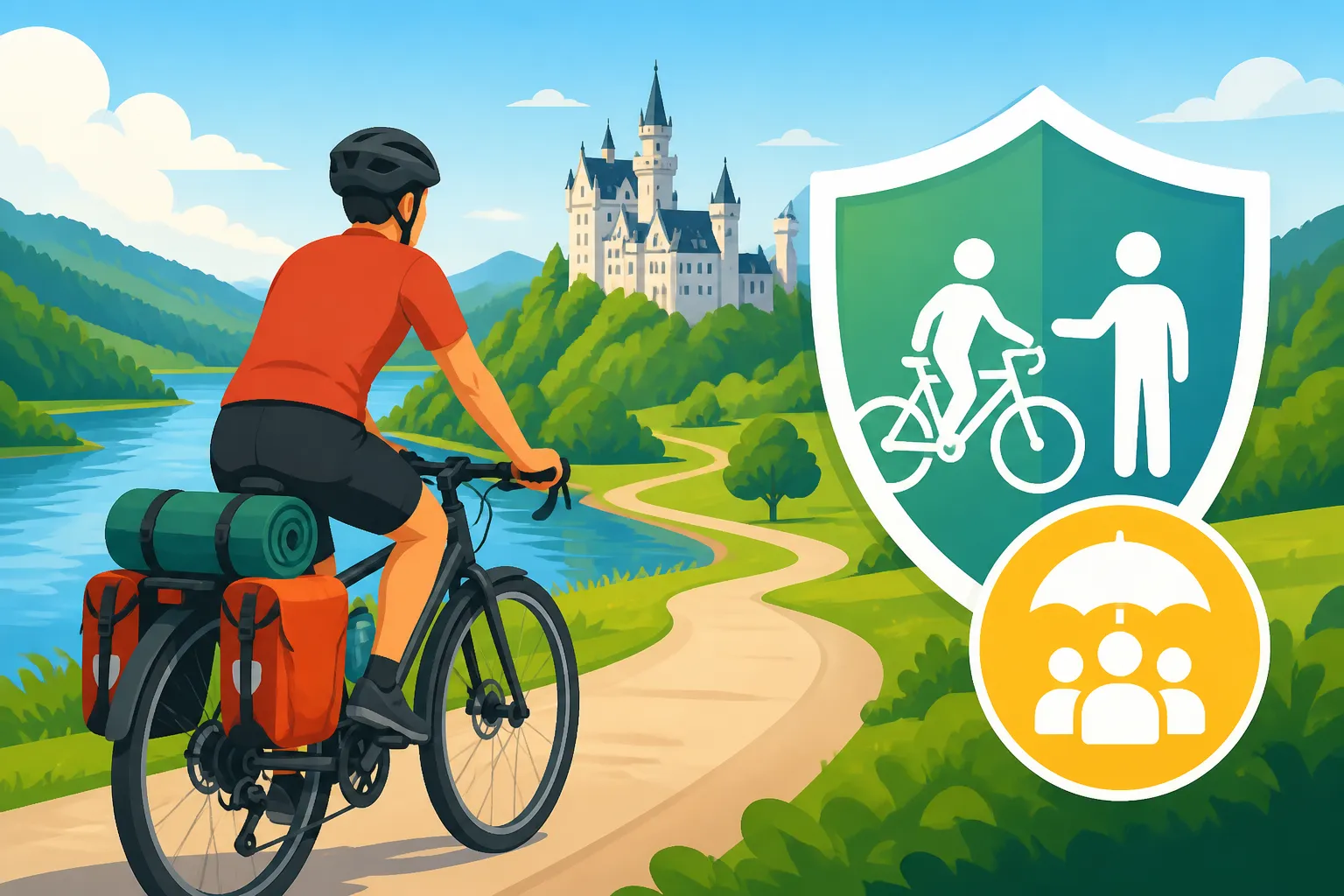
Picture this: You're gracefully pedaling along the stunning Rhine Cycle Path, the castles twinkling in the distance, a gentle breeze in your hair. Pure bliss, right? Now, imagine an unexpected wobble, a misplaced turn, and suddenly you've clipped a parked car, or worse, accidentally knocked over a pedestrian. In Germany, a country with strict liability laws, that blissful moment can quickly turn into a bureaucratic nightmare with significant financial repercussions. This guide is here to walk you through the essential—and often overlooked—aspect of third-party liability when you're exploring Germany's fantastic long-distance cycling routes, highlighting how crucial comprehensive cover, like that offered by SafetyWing, truly is.
Disclosure: This post may contain affiliate links. We may earn a commission at no extra cost to you if you make a purchase through these links. Read full disclosure.
The Joys and Risks of Long-Distance Cycling in Germany
Germany truly is a cyclist's dream, offering an incredible network of long-distance routes that wind through picturesque landscapes, historic towns, and vibrant cities. But with great adventure comes inherent risks, and understanding these is the first step to a truly carefree journey.
Why Germany is a Cyclist's Paradise
Germany's commitment to cycling is legendary, boasting thousands of kilometers of well-maintained, signposted, and incredibly scenic long-distance cycle paths. These routes are a fantastic way to experience the country beyond the usual tourist traps, allowing you to immerse yourself in local culture and natural beauty at your own pace.
Take, for instance, the Rhine Cycle Path, which meanders past vineyards, medieval castles, and charming villages, offering views that will take your breath away. Or perhaps the Elbe Cycle Path, tracing the river from the Czech border all the way to the North Sea, passing through cities like Dresden, Wittenberg, and Hamburg. Then there's the Romantic Road Cycle Path, weaving through Bavaria's idyllic countryside and past fairy-tale castles like Neuschwanstein. These routes are meticulously planned, often featuring dedicated bike paths separate from vehicle traffic, making them enjoyable for families and seasoned cyclists alike. The infrastructure is usually top-notch, with plenty of bike-friendly accommodation, repair shops, and refreshment stops along the way. You can truly lose yourself in the journey without constantly worrying about navigation or safety – well, almost. For more on these incredible journeys, check out our guide on Cycling Routes in Germany: The Rhine, Elbe, and More.
Understanding the Inherent Risks of Cycling Abroad
While the German cycling infrastructure is excellent, no journey is entirely without risk. As an expat or tourist, you might not be as familiar with local road rules, traffic patterns, or even the subtle cues that Germans use to navigate shared spaces. This unfamiliarity can lead to unforeseen incidents.
Consider a busy city crossing in Munich, where you misjudge the speed of a tram or accidentally cut off a car because you're used to different right-of-way rules back home. Or imagine a charming, narrow cobblestone street in a historic town where you accidentally bump into a pedestrian, causing them to drop their expensive camera. Even a seemingly minor fall could result in damage to a rental bike, an injury to yourself, or – crucially – injury or property damage to a third party. Dealing with such situations in a foreign language, possibly while shaken or injured, can be incredibly stressful. When you're far from home, a simple mishap can quickly escalate into a complex legal and financial headache, leaving you feeling utterly vulnerable. That's precisely why a robust safety net, like SafetyWing, becomes non-negotiable.
Third-Party Liability in Germany: What You Need to Know
One of the most critical, yet often overlooked, aspects of any adventure in Germany, especially one that involves a mode of transport like cycling, is understanding third-party liability. This isn't just about covering your own scraped knees; it's about covering the potential financial impact of damage or injury you might accidentally cause to someone else.
The "Schuldfrage" and German Legal Expectations
In Germany, the concept of the "Schuldfrage," or question of fault, is paramount. If you are deemed responsible for an accident that causes damage to another person or their property, you are legally obliged to cover all associated costs. This isn't a small matter; German civil liability can be incredibly far-reaching and expensive.
Let's run through a few hypothetical, but very real, scenarios. Imagine you're cycling a bit too fast through a pedestrian zone – a common occurrence, let's be honest – and you swerve to avoid a child, accidentally hitting and scratching a brand-new Mercedes parked legally on the side. The owner demands compensation for the repaint job. Or perhaps you misjudge a turn on a shared path, colliding with another cyclist who then breaks their arm and smashes their high-end carbon fiber road bike. You could be liable for their medical bills, their lost earnings if they can't work, and the cost of repairing or replacing their bike. These costs can quickly run into the tens of thousands of euros. This isn't just an inconvenience; it's a significant financial burden that could derail your entire expat experience or travel plans. Germany takes these matters very seriously, and ignorance of the law is no excuse. Having adequate coverage is not just smart; it's a profound relief.
Why Your Home Country Insurance Might Not Be Enough
Many expats and tourists mistakenly believe their existing home country insurance policies, whether standard travel insurance or even a general liability policy, will automatically cover them for incidents abroad. Unfortunately, this is often not the case, and relying on such assumptions can lead to devastating consequences.
Most domestic liability policies have geographical limitations, often excluding coverage outside your home country or specific regions. Even if international coverage is included, it might have restrictive clauses regarding activities like cycling, or a low maximum coverage amount that wouldn't even dent a significant claim in Germany. Moreover, the sheer complexity of dealing with an international claim from afar, navigating different legal systems, languages, and time zones, is a headache no one wants. Imagine trying to explain the intricacies of German traffic law to an insurance adjuster in your home country who has no concept of it. The bureaucratic hurdles can be immense, leading to denied claims, endless paperwork, and profound frustration. This is where specialized international insurance, designed for the expat and nomad lifestyle, becomes incredibly valuable. If you're pondering broader travel precautions, our guide on Staying Safe in Germany: Common-Sense Tips for Travelers offers additional insights.
The Hero Solution: Comprehensive Travel Insurance with Liability Cover (SafetyWing)
When it comes to planning your long-distance cycling adventure in Germany, or indeed any extended stay, thinking about your safety net is paramount. This is where a reliable travel medical and personal liability insurance provider, particularly one like SafetyWing, truly shines.
How SafetyWing Protects Your German Cycling Adventures
SafetyWing’s Nomad Insurance is specifically designed for digital nomads and long-term travelers, making it an excellent fit for those embarking on a long-distance cycling journey through Germany. It offers comprehensive travel medical coverage, which is vital for any unforeseen accidents or illnesses you might encounter on the road. More importantly for cyclists, it typically includes personal liability coverage. This means that if you, as a cyclist, are found legally responsible for causing accidental bodily injury to another person or damage to their property – exactly the scenarios we discussed earlier – SafetyWing can step in to cover those costs.
This isn't just about peace of mind; it's practical protection. Imagine that accidental scrape on a car or the collision with another cyclist; instead of facing potentially ruinous out-of-pocket expenses, your SafetyWing policy could cover the damages, within its specified limits. The beauty of SafetyWing is its flexibility and ease of use. You can purchase it even if your trip has already started, and it offers a continuous subscription model, making it ideal for those who might extend their cycling adventures or linger longer in Germany. It’s built for the realities of modern travel, where plans can change at a moment's notice.
Beyond Liability: Other Crucial Coverage for Cyclists
While third-party liability is critical for cyclists, a comprehensive policy like SafetyWing provides a much broader safety net, addressing many other concerns that can arise during a long-distance trip.
Think about the inevitable tumbles and scrapes that can happen on a long ride. SafetyWing covers emergency medical expenses, meaning you won't be left with massive bills if you need to see a doctor or even go to a hospital for a fracture or other injury. For situations where serious medical intervention is needed, emergency medical evacuation is a lifesaver. What if your prized cycling gear or luggage gets lost, stolen, or damaged during transit to Germany or while moving between accommodations? SafetyWing also offers limited coverage for lost checked luggage. This broader coverage means you’re protected not just from what you might do to others, but also from what might happen to you or your essential belongings. It truly offers a holistic approach to travel insurance, letting you focus on the breathtaking scenery instead of worrying about unexpected financial disasters. For medical emergencies, it’s always good to know Emergency Numbers in Germany: Calling 112, Poison Control, and More and Medical Emergencies: What to Do and Where to Go in Germany.
Choosing the Right Policy for Your German Cycling Trip
Navigating the world of insurance can feel like a labyrinth, especially when you're trying to figure out what's best for a niche activity like long-distance cycling abroad. However, taking the time to understand your options is an investment in your peace of mind and financial security.
What to Look for in a Third-Party Liability Policy
When you’re sifting through insurance policies, particularly those offering third-party liability for your cycling adventure in Germany, several key factors should guide your decision. First and foremost, check the coverage limits. German claims can be substantial, so ensure the liability coverage is high enough to adequately protect you against major incidents. A policy with a limit of only €50,000, for example, might sound like a lot until you consider the potential cost of significant property damage or long-term injury compensation.
Secondly, scrutinize the exclusions. Some policies might exclude specific types of cycling, such as competitive racing, or incidents that occur under the influence of alcohol. Make sure the policy aligns with your planned activities. Are there any deductibles (the amount you pay out-of-pocket before the insurance kicks in)? Understand these so there are no surprises. Finally, consider the ease of filing a claim and the reputation of the insurer for prompt payouts. Companies like SafetyWing are known for their expat and digital nomad focus, which often translates to more user-friendly processes for international claims, a huge plus when you're far from home and dealing with a stressful situation. For more general insurance advice, our article on Travel Health Insurance: What Expats Need for Schengen Visa & Short Trips might be helpful.
Practical Steps to Ensure You’re Covered
Once you’ve chosen your policy, don't just shove the documents into a digital folder and forget about them. There are a few practical steps you should take to ensure you're fully prepared for any eventuality on your German cycling trip.
First, thoroughly read your policy document. Yes, it's boring, but it's your contract, and you need to understand what's covered, what isn't, and how to initiate a claim. Save your policy number and the emergency contact information of your insurance provider, such as SafetyWing, in multiple accessible places – on your phone, in an email to yourself, and even a physical copy in your wallet. In the event of an accident, you'll be glad to have it readily available. Familiarize yourself with the initial steps for filing a claim: whom to contact first, what information you'll need to gather (e.g., photos, witness details, police reports), and any timelines you must adhere to. Lastly, consider informing a trusted friend or family member back home about your insurance details, just in case you're incapacitated and they need to assist you. Being proactive now will save you immense stress later, allowing you to truly enjoy the incredible experience of cycling through Germany with the confidence that you're well-protected.
Summary of German Cycling Liability Essentials
| Aspect | Description | Importance for Cyclists |
|---|---|---|
| Third-Party Liability | Legal obligation to pay for damages/injuries you cause to others or their property. In Germany, this is taken very seriously. | CRITICAL |
| Home Insurance Abroad | Many domestic policies have geographical exclusions or insufficient coverage limits for international incidents. | High Risk |
| Dedicated Travel/Expat Insurance (e.g., SafetyWing) | Offers specific personal liability coverage designed for international travel, alongside medical and other benefits. Provides higher limits and easier international claims. | Essential |
| Understanding "Schuldfrage" | Germany’s strict adherence to fault means if you're responsible for an accident, you bear the costs. | Crucial |
| Key Policy Details to Check | High coverage limits for liability, clear understanding of exclusions, manageable deductibles, and a straightforward claims process. | Very Important |
Disclaimer
The information provided in this guide is for general informational purposes only and does not constitute legal, financial, or insurance advice. While we strive to provide accurate and up-to-date content, laws, regulations, and insurance policies can change. It is always recommended to consult with a qualified legal professional, financial advisor, or insurance expert to discuss your specific situation and obtain personalized advice. Always read your insurance policy documents carefully to understand your coverage, terms, and exclusions.