Excess Baggage vs Air Freight vs Courier: Sending 50-200kg to Germany
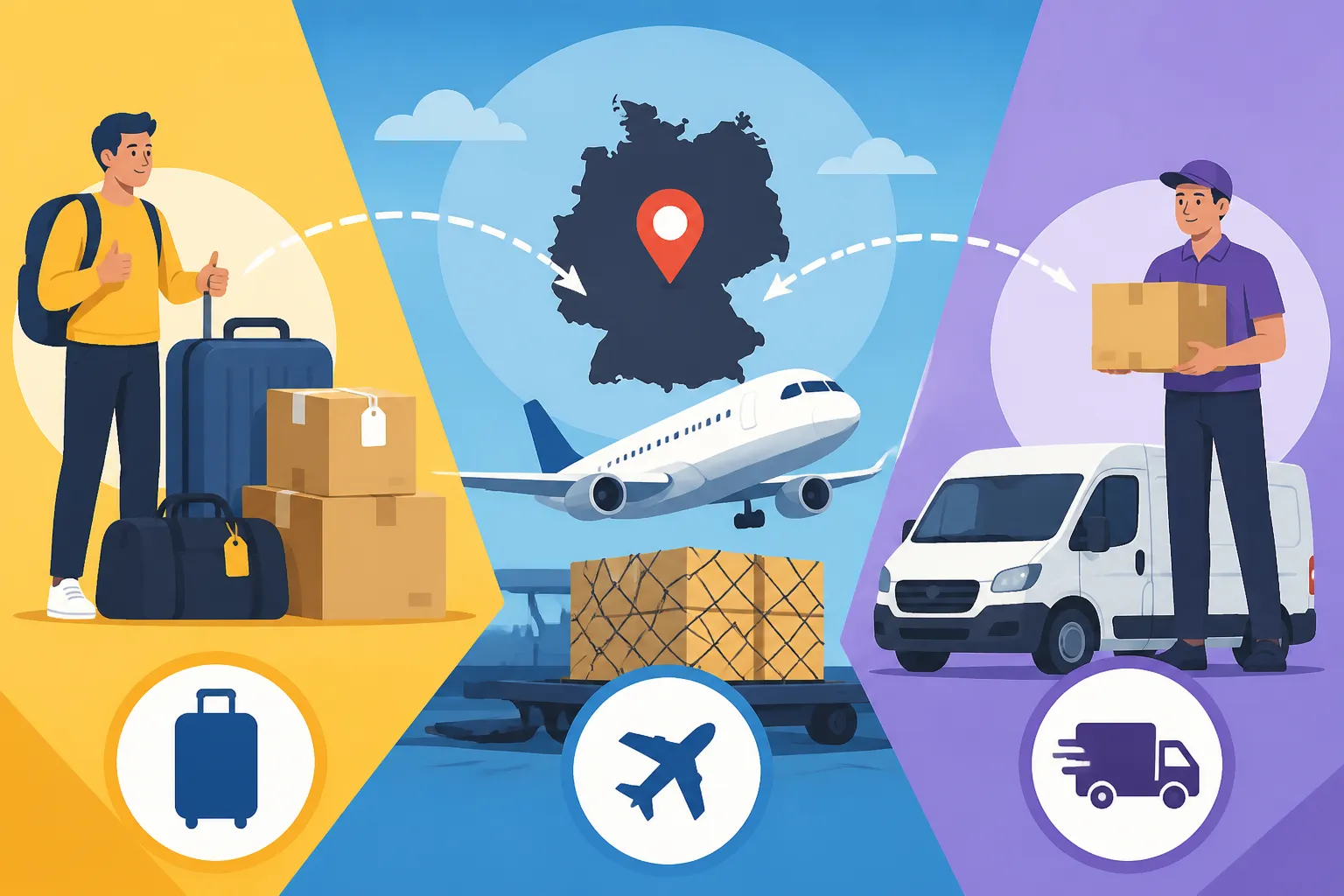
Moving to Germany is a huge adventure, but let's be honest, the moment you start thinking about packing, a specific, soul-crushing dilemma often rears its head: you have far too much stuff for just a couple of suitcases, yet nowhere near enough to justify a full shipping container. It’s that awkward 50-200kg zone that leaves many expats scratching their heads, wondering if they should strap their entire library to their back or simply sell everything they own. This guide is here to untangle that knot, comparing excess baggage, air freight, and international courier services, and showing you how a service like Sirelo can make finding the best option utterly painless.
Disclosure: This post may contain affiliate links. We may earn a commission at no extra cost to you if you make a purchase through these links. Read full disclosure.
The Pain of Packing: Why 50-200kg is a Special Beast
I've been there, staring at a mountain of books, beloved kitchen gadgets, and all those "just in case" items that accumulated over years, knowing full well they won't fit into my luggage allowance. It’s a distinct kind of expat anxiety. This isn’t about shipping your grandmother's antique armoire; it’s about those precious, practical, or just plain necessary items that make a new house a home without requiring a full-scale relocation service.
The "Too Much for a Suitcase, Too Little for a Container" Conundrum
This sweet spot, or rather, sour spot, of 50 to 200 kilograms, is a common headache. Airlines are notorious for charging exorbitant fees for anything over their standard 23kg or 32kg limits per bag, and sometimes they don't even allow bags that heavy at all, regardless of payment. On the other hand, traditional international movers often have minimum volume or weight requirements that make shipping just a few boxes incredibly expensive – you're essentially paying for empty space in a large container.
Many expats I've spoken with, myself included, have been caught in this trap. You might think, "Oh, I'll just pay the extra fees for my airline," only to find out at check-in that your two 30kg bags are actually four bags in the airline's system because they can't exceed 23kg individually. Or perhaps your cherished collection of board games pushes your total weight far beyond what any single airline will accept. It’s not just about the cost; it's about the sheer logistics and avoiding a last-minute scramble at the airport.
What Falls into the 50-200kg Range
So, what exactly are we talking about when we mention 50-200kg? This weight range typically includes items that are important for setting up a comfortable life in Germany but aren't necessarily furniture. Think along these lines:
- Extensive Wardrobe: Your favorite seasonal clothes, shoes, and coats that you can't bear to part with or replace immediately upon arrival. Germany's climate varies wildly, and having appropriate attire year-round is essential.
- Personal Library or Collections: Books, DVDs, vinyl records, or hobby supplies can quickly add up. A box of books alone can weigh 20-30kg!
- Small Electronics & Appliances: A gaming console, a high-end coffee machine, specialized kitchen gadgets (though be mindful of voltage differences!), or a beloved sound system.
- Sentimental Items: Photo albums, framed art, cherished keepsakes, or gifts that are irreplaceable but not necessarily heavy individually.
- Specialized Gear: Sports equipment (golf clubs, skis, cycling gear), musical instruments, or professional tools that are critical for your work or hobbies.
It's all those things that elevate your living experience, allowing you to settle in and truly feel at home, rather than constantly feeling like a visitor. Deciding which items to bring versus which to purchase new in Germany is a significant part of Cost of Living in Germany: Budgeting Guide for Expats, but for those non-negotiable items, finding the right shipping solution is key.
Option 1: Excess Baggage – The Airplane Carry-On's Big Brother
When you first think about getting your stuff over, especially if it’s "just a few more bags," excess baggage often seems like the most straightforward choice. After all, you're already flying, right? Just pay a bit extra, and your bags follow you. Easy peasy. Or so you'd think.
How it Works (and Where it Falls Short)
Excess baggage is essentially paying your airline extra to bring luggage beyond their standard allowance. Each airline has its own rules, but generally, you're looking at a per-bag fee or a per-kilogram fee, or sometimes both. You can often pre-pay for this online, which is almost always cheaper than waiting until you hit the check-in desk at the airport.
However, this is where the "shortcomings" really kick in. First, airlines have strict individual bag weight limits, usually 23kg (economy) or 32kg (business/first class). Even if you pay for 50kg, you might not be allowed to put it all into one monstrous suitcase. Instead, you'd need two smaller bags, each under the limit. This can mean purchasing extra luggage specifically for the move, adding another layer of expense and hassle. Secondly, there’s an overall limit to how many bags you can check. Some airlines will simply refuse to take more than 3-5 bags per passenger, even if you’re willing to pay. Imagine being told at the airport, after meticulously packing, that your last two boxes can’t come with you. Nightmare!
The cost can also quickly spiral out of control. Let's say your airline charges €10-15 per kilo for excess baggage. For a 50kg shipment, that's €500-€750. For 200kg, you're looking at a staggering €2000-€3000, easily exceeding the cost of other, more convenient shipping methods. Plus, you’re still responsible for lugging all those heavy bags through airports, dealing with customs agents who might eye your many boxes suspiciously, and then figuring out how to get them from the German airport to your new apartment. If you're arriving after a long flight and just want to get to your new place and do your Anmeldung: Registering Your Address in Germany, wrestling with oversized luggage is the last thing you need.
Pros and Cons of Excess Baggage
To give you a clearer picture, here’s a quick rundown:
| Aspect | Pros | Cons |
|---|---|---|
| Convenience | Your belongings travel with you on the same flight. | Heavy lifting required, navigating airports with multiple large bags can be exhausting. |
| Speed | Arrives at the same time as you. | Not truly door-to-door, still requires airport pickup and onward transport. |
| Cost | Potentially cheaper for very small amounts (e.g., 1 extra bag). | Becomes disproportionately expensive very quickly for 50kg+, often the most expensive option. |
| Weight/Size | Good for slightly over standard allowance. | Strict individual bag weight limits (23/32kg), overall bag number limits per passenger. |
| Customs | Usually simpler for personal effects accompanying you. | Still requires declaration, potential for inspection, especially with many bags. |
| Damage/Loss | Covered by airline's liability, but limits apply. | Higher risk of damage due to rough handling, potential for misrouted or lost bags. |
While excess baggage might seem straightforward, it often leads to unexpected costs and physical strain, making exploring alternative services incredibly valuable. This is precisely why platforms like Sirelo become essential, as they allow you to compare various shipping methods, including specialized baggage services that are often more cost-effective and less hassle than standard airline excess baggage.
Option 2: Air Freight – The Bulkier, Slower Air Route
If excess baggage feels like too much of a squeeze for your 50-200kg, air freight often emerges as the next logical step. It sounds serious, doesn't it? "Air freight!" But for personal effects in this weight range, it can be a surprisingly viable and often more economical option than you might expect, especially if you're not in a desperate rush.
Navigating Commercial Air Cargo for Personal Effects
Air freight, in simple terms, means your belongings fly as cargo on a commercial plane, separate from your passenger luggage. You won't see your boxes going onto the same conveyor belt as your suitcase. Instead, they're handled by a freight forwarder. These are companies that specialize in coordinating the shipment of goods internationally. They consolidate smaller shipments from various customers into larger cargo containers, which makes the whole process more efficient and cost-effective.
When you use air freight for personal effects, you'll typically drop off your properly packed and labelled boxes at a designated depot, or in some cases, the freight forwarder can arrange a pickup from your home. The boxes then travel to a cargo terminal at the airport, undergo security checks, and are loaded onto an aircraft. Upon arrival in Germany, they are offloaded at a cargo terminal, go through customs clearance, and are then available for pickup. Many freight forwarders offer a "door-to-port" service, meaning you pick it up at the airport, or a "door-to-door" service, where they deliver it directly to your new address.
This method requires a bit more planning than simply showing up at the airport with extra bags. You'll need to research and choose a reputable freight forwarder. This is where platforms like Sirelo truly shine, connecting you with reliable companies who understand the nuances of international shipping to Germany. They can help you find companies that specialize in personal effects, which is crucial for a smooth process.
The Cost and Complexity of Air Freight
The pricing for air freight is more complex than a simple per-kilo charge. It's usually based on a combination of:
- Weight: The actual weight of your shipment.
- Volumetric Weight: This accounts for the space your shipment takes up. If you're shipping light but bulky items (like a box of pillows), the volumetric weight might be higher than the actual weight, and you'll be charged based on whichever is greater.
- Terminal Handling Charges (THC): Fees for handling your goods at both the origin and destination airports.
- Customs Clearance Fees: Charges for processing your shipment through customs.
- Fuel Surcharges and Security Fees: Standard additions that fluctuate.
- Delivery Fees: If you opt for door-to-door service, there's an additional cost for transport from the German airport to your residence.
For a 50-200kg shipment, air freight often becomes more competitive than excess baggage, especially at the higher end of that weight range. For example, 100kg of goods shipped via air freight might cost anywhere from €600 to €1500, depending on the service level (economy vs. express), the route, and the specific forwarder. This price usually includes most of the fees mentioned above, but it's critical to get a detailed quote that clearly outlines what's included and what's not. Don't be shy about asking for an "all-inclusive" quote to avoid nasty surprises.
Customs can also add a layer of complexity. While shipping personal effects (Umzugsgut) when moving to Germany is often exempt from import duties, you'll still need to provide detailed packing lists, proof of residency, and possibly proof that you owned these items for at least six months prior to moving. Proper documentation is key to avoiding delays or unexpected charges. This is definitely something to read up on in our guide about Customs Duties and Tax-Free Imports for New Residents.
Option 3: International Courier Services – The Door-to-Door Convenience
When convenience is paramount and you want minimal fuss, international courier services often come out on top. Think of big names like DHL, FedEx, UPS – they’re designed to make shipping packages globally as seamless as possible. For your 50-200kg dilemma, they offer a compelling solution, especially if you prioritize ease over absolute lowest cost.
The Convenience of Door-to-Door Delivery
The biggest selling point of a reputable international courier service is their end-to-end management. You pack your boxes, they pick them up from your current home, handle all the transit logistics, clear customs, and deliver them directly to your new address in Germany. This means no lugging heavy bags through multiple airports, no navigating cargo terminals, and no coordinating separate transport once your items arrive in the country. It's essentially "set it and forget it," as much as international shipping allows.
Most courier services also offer robust online tracking systems. From the moment your parcel is picked up, you can monitor its journey in real-time. This can be a huge peace of mind, especially when you're dealing with valuable or sentimental items. Imagine being able to track your beloved photo albums as they make their way across continents! For someone just trying to get their life set up in a new country, where you're already juggling things like Finding an Apartment in Germany: Best Websites and Tips for Expats and setting up Internet and Mobile Phone Plans in Germany: Getting Connected Fast, having one less logistical headache is truly invaluable.
However, keep in mind that "door-to-door" typically means delivery to the ground floor entrance. If you live on the fifth floor of an apartment building with no elevator, you might need to arrange for assistance or clarify specific delivery terms with the courier.
Price Points and Service Levels
Courier services usually offer various service tiers, impacting both speed and price:
- Economy/Standard: This is your most cost-effective option, offering delivery within 5-10 business days for international shipments. It's often the sweet spot for the 50-200kg range, balancing cost with a reasonable delivery time.
- Express/Priority: If you absolutely need your items quickly, express services can deliver in 1-3 business days. This comes at a significant premium, sometimes double the cost of economy.
Pricing with couriers is also based on a combination of actual weight and volumetric weight, always charging for the greater of the two. For 50kg, you might see prices ranging from €300-€700, while 200kg could fall anywhere from €1000 to €2500, depending on the provider, speed, and specific route. While this might sometimes be slightly more expensive than basic air freight (especially door-to-port air freight), the added convenience of door-to-door service, comprehensive tracking, and typically better customer support often justifies the cost.
For those prioritizing ease and direct delivery, courier services can be a godsend. And this is precisely where a platform like Sirelo becomes indispensable. Instead of spending hours comparing individual courier websites, Sirelo helps you quickly gather and compare quotes from multiple reputable providers, including the big names and specialized parcel services, ensuring you find the best balance of cost, speed, and reliability for your shipment to Germany.
Choosing Your Champion: Excess Baggage, Air Freight, or Courier?
Alright, you've got the lowdown on the three main contenders for shipping your 50-200kg of essentials to Germany. Now comes the hard part: making the decision. But don't worry, it's not as daunting as it seems when you break it down based on your personal priorities.
Cost-Benefit Analysis for the 50-200kg Sweet Spot
Let’s be honest, for most expats, cost is a massive factor. Moving to a new country like Germany already comes with a host of expenses – deposits, initial rent, setting up Money Matters in Germany: Complete Financial Guide for Expats, and so on.
- Under 50kg, Urgent, and Only a Few Extra Bags: Excess baggage might seem tempting, especially if you're only slightly over your allowance. However, as we discussed, the costs can quickly outpace the perceived convenience. A small, expedited courier shipment could sometimes be cheaper and less physically demanding. If it's just one or two small boxes, a direct courier might surprisingly be a better deal.
- 50-100kg, Moderate Urgency, Budget-Conscious: This is often where air freight (door-to-port, where you pick it up at the German airport cargo terminal) or economy international courier services become very strong contenders. Air freight can be a tad cheaper if you don't mind the customs paperwork and picking it up yourself. However, the convenience of a door-to-door courier often makes it worth the slight extra cost for many.
- 100-200kg, Less Urgency, Value Convenience: For this higher weight range, air freight (door-to-door) or economy international courier services are almost always the most practical and cost-effective solutions. Excess baggage becomes prohibitively expensive and logistically nightmarish. The difference in price between door-to-port and door-to-door air freight becomes less significant at higher weights, making the added convenience more appealing. Courier services, especially those specializing in larger parcels, can offer competitive rates with excellent service.
The key takeaway? Don't assume. Always get multiple quotes tailored to your specific weight, dimensions, and desired service level.
The Role of Sirelo: Your Ultimate Comparison Tool
This is precisely where Sirelo steps in as your absolute hero in this shipping saga. Instead of you spending countless hours navigating complex websites, deciphering confusing pricing structures, and trying to figure out which company actually ships to Germany, Sirelo does the heavy lifting for you.
Think of Sirelo as your personal shipping concierge. You simply input your origin, destination (Germany!), approximate weight (your 50-200kg), and what you're shipping. Sirelo then connects you with a network of pre-vetted, reliable international moving and shipping companies. You'll receive multiple, no-obligation quotes, allowing you to easily compare:
- Costs: Transparent breakdown of prices, so you know exactly what you're paying for.
- Service Levels: Whether it's door-to-door, door-to-port, economy, or express.
- Reputation: Access to reviews and ratings for each company, giving you peace of mind.
Using Sirelo takes the guesswork and stress out of finding the right shipping solution. It empowers you to make an informed decision that best suits your budget, timeline, and need for convenience. Whether you're leaning towards air freight or a courier, Sirelo streamlines the entire process of getting competitive quotes from trusted providers, ensuring your move to Germany is as smooth as possible. Don't let the administrative hurdles of international shipping overshadow the excitement of your new life in Germany; let Sirelo help you navigate it effortlessly.
Essential Considerations Beyond the Shipping Method
Choosing your shipping method is a huge step, but the journey doesn't end there. There are other crucial aspects you need to understand to ensure your 50-200kg shipment arrives in Germany without a hitch.
Customs and Import Duties for Germany
This is probably the most intimidating part for many expats, and for good reason! German customs regulations, like most, can be a labyrinth. However, there's a significant relief for those moving their personal belongings: Umzugsgut (household goods or moving goods). If you are moving your primary residence to Germany, your personal effects are generally exempt from import duties and VAT, provided certain conditions are met:
- Residency: You must be transferring your normal place of residence to Germany.
- Ownership: You must have owned and used the items for at least six months in your previous country of residence.
- Intention: The items must be intended for the same use in your new residence in Germany. You can't import goods duty-free to sell them.
- No Resale: You cannot sell or dispose of the goods for 12 months after their duty-free importation.
To claim this exemption, you'll need to fill out specific customs forms (typically Form 0350, Antrag auf Steuerbefreiung für Übersiedlungsgut, or similar, which your shipping provider can help with), provide a comprehensive, detailed packing list in German (or English with a certified translation), a copy of your visa/residence permit, proof of deregistration from your previous residence, and proof of registration (Anmeldung) in Germany, or at least proof of your intention to register. If you are still waiting for your Moving to Germany: Comprehensive Visa & Immigration Guide documents to be fully processed, make sure you understand the timing.
Failing to properly declare your items or meet these criteria can lead to delays, inspections, and potentially hefty duties and taxes. Always be honest and thorough on your customs forms. A good shipping company found through Sirelo will guide you through this process, but it’s ultimately your responsibility to provide accurate information.
Insurance and Tracking: Why You Need Both
When sending your prized possessions across continents, the last thing you want is for them to go missing or arrive damaged. That's why insurance and robust tracking are non-negotiable.
- Insurance: Most reputable shipping companies offer various levels of insurance coverage. While the basic liability coverage might be included, it’s often minimal (e.g., a few dollars/euros per kg). For anything of significant value, you should always opt for full-value replacement insurance. This ensures that if your items are lost or damaged, you’re compensated for their actual worth, not just a token amount. Document your belongings thoroughly before shipping – take photos, list serial numbers, and keep receipts for valuable items. This documentation is vital if you ever need to make a claim. The peace of mind alone is worth the extra cost.
- Tracking: All modern international courier and freight services provide online tracking. This allows you to monitor your shipment's progress from pickup to delivery. Knowing where your belongings are at any given moment can significantly reduce stress. Make sure you receive a tracking number and understand how to use the system provided by your chosen carrier. For air freight, tracking might be slightly less granular than for a courier parcel, but you should still be able to see major milestones. Before you finalize your move and get bogged down with all the details of Settling in Quickly: A Newcomer’s Checklist for Your First Weeks in Germany, ensure you've sorted out these critical shipping safeguards.
By carefully considering these factors and leveraging resources like Sirelo to find reliable services, you can transform the daunting task of shipping your 50-200kg to Germany into a much smoother part of your exciting expatriate journey.
Disclaimer
Please remember that while I strive to provide accurate and up-to-date information, rules and regulations for shipping, customs, and immigration in Germany can change. This guide is for informational purposes only and does not constitute legal or professional advice. Always verify current requirements with official German authorities or consult with a professional shipping agent or immigration expert for your specific situation.