First Class vs Second Class on German Trains: What the Upgrade Buys
Ah, German trains! If you've spent any time here, you know they're a quintessential part of the experience, but also a source of endless questions, especially when it comes to deciding if that extra cash for First Class is truly worth it. It's a common dilemma for us expats – you want comfort, but you also don't want to needlessly spend your hard-earned euros. This guide will meticulously break down the differences between First and Second Class on Germany's trains, from the subtle nuances to the significant perks, helping you decide where your money is best spent, and how platforms like Omio can make your booking a breeze.
Disclosure: This post may contain affiliate links. We may earn a commission at no extra cost to you if you make a purchase through these links. Read full disclosure.
Understanding the Basics: German Train Classes Explained
When you first glance at a Deutsche Bahn (DB) ticket or look to book a journey, you're immediately faced with a choice: First Class or Second Class. It sounds straightforward, but for those of us new to the system, it's not always clear what that "upgrade" really entails beyond a higher price tag. Let's peel back the layers and understand what each class offers.
Second Class: The Standard Experience
For the vast majority of travelers, Second Class (or 2. Klasse) is the go-to option, and for good reason. It's the standard, widely available, and generally excellent way to travel across Germany. You'll find Second Class carriages on every single train, from the high-speed ICEs to the regional Regional-Express and Regionalbahn services. The seating configuration typically involves a mix of open-plan seating (with seats facing each other across a table or in rows) and sometimes compartments, particularly on older or regional trains.
The seats themselves are usually comfortable enough, upholstered, and offer decent legroom. You'll almost always find overhead racks for smaller luggage and larger designated areas for bigger suitcases at the end of each carriage. Power outlets are increasingly common, especially on newer ICE trains, though sometimes you might have to hunt for one or find yourself sharing. Wi-Fi is also usually available, though its reliability and speed can vary wildly depending on the train and its route. For many, Second Class is perfectly adequate, allowing you to get from A to B efficiently without breaking the bank. It's truly a testament to the overall quality of German public transport that the standard option is already quite good. If you're looking for an economical way to explore the country's cities, delve into the intricacies of your trip with our guide on Getting Around German Cities.
First Class: What Does the "Upgrade" Actually Mean?
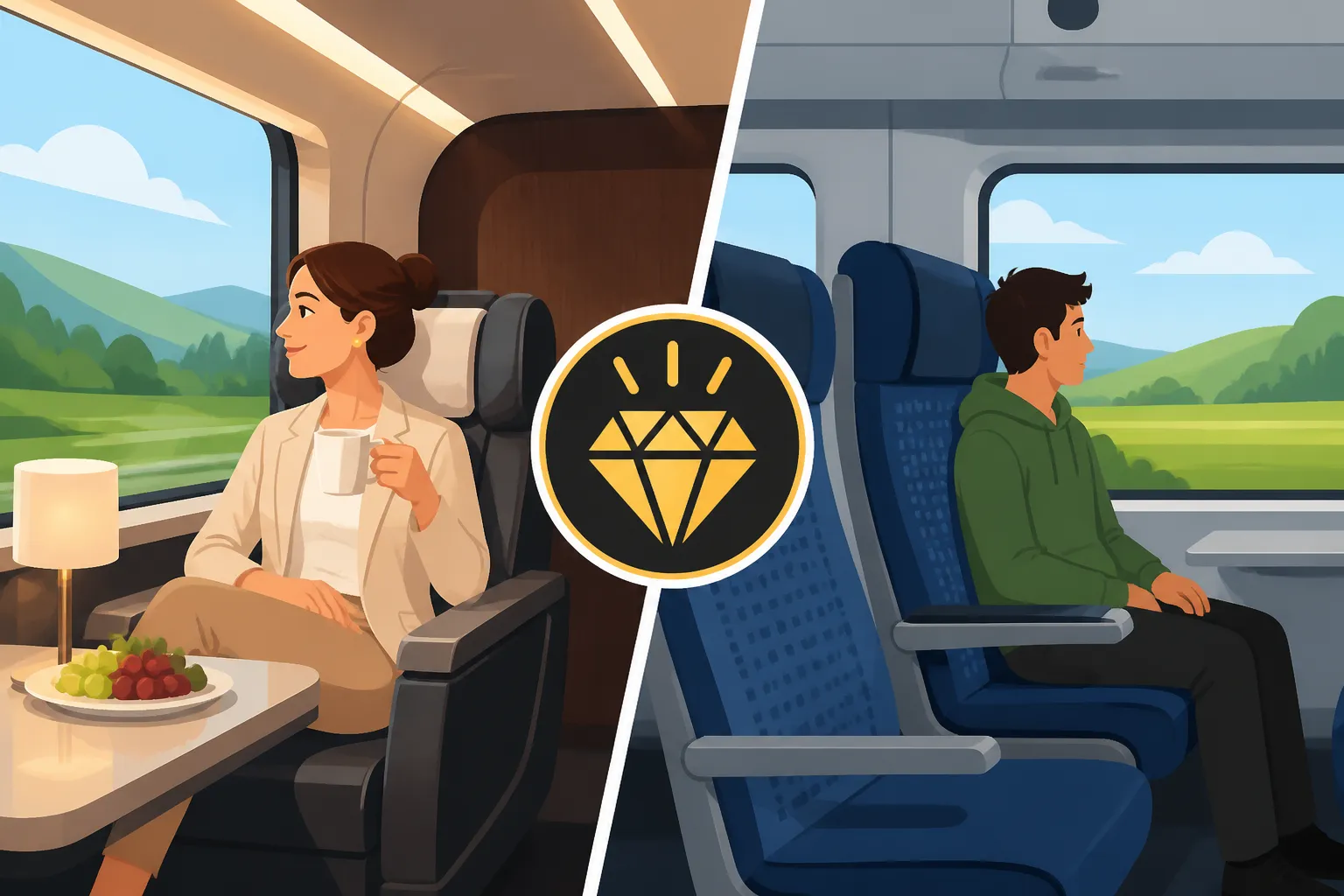
Now, let's talk about First Class (1. Klasse). For many newcomers, the biggest question is whether the jump in price is justified by a noticeable difference in experience. In short, yes, it often is, but it's not always about sheer luxury. Instead, it's primarily about space, peace, and a subtle elevation of service. On high-speed trains like the ICE, IC, and EC, First Class offers a distinctly different environment.
You'll immediately notice that First Class carriages are less crowded. This isn't just a happy coincidence; fewer tickets are sold, and those who buy them are often business travelers or those seeking a quieter journey. The seating is more spacious, often featuring wider, more plush seats that recline further. You'll frequently find individual seats or pairs of seats with more generous table space, which is fantastic if you need to work on a laptop or enjoy a meal without feeling cramped. The ambiance is generally calmer, with fewer people, less foot traffic, and often a more hushed atmosphere, which is a significant relief if you're sensitive to noise. These subtle differences often make for a much more relaxed and productive journey, justifying the upgrade for many.
Delving Deeper into the First Class Perks: Is It Worth the Splurge?
The decision to buy a First Class ticket isn't just about saving a few euros; it's about investing in your comfort and experience. For longer journeys or specific needs, the perks can genuinely enhance your travel. Let's break down what that higher price tag truly buys you.
Comfort and Space: Beyond Just a Wider Seat
The most immediate and tangible difference in First Class is the sheer amount of space you get. It’s not just a wider seat, though that’s certainly part of it. The entire layout of the carriage is designed for more personal room. You’ll find fewer seats per carriage compared to Second Class, meaning more space between rows and often wider aisles. This is a game-changer when the train is busy, as you won't feel like you're constantly bumping elbows with your neighbor or struggling to get past someone to reach the restroom.
Many First Class seats on ICE trains are more generously padded and offer better lumbar support, making them noticeably more comfortable for extended periods. They also tend to recline further, allowing for proper relaxation or even a quick nap. You'll also encounter more individual seating arrangements, sometimes facing away from others, or small, semi-private compartments with just a few seats, perfect for focused work or a quiet conversation. For anyone who's had to squeeze into a packed Second Class carriage with a large backpack, the extra room for both yourself and your luggage (which often has dedicated, larger spots in First Class) is a genuine blessing. This increased personal space translates directly into a more serene and less stressful travel experience, especially on long-haul routes where you might be spending several hours on board. For detailed information on specific train options, check out our guide on High-Speed Trains in Germany ICE.
Service and Amenities: The Little Extras
Beyond the physical comfort, First Class often comes with a few extra services and amenities that, while not always groundbreaking, certainly add to the premium feel. On many ICE trains, a staff member will circulate through First Class offering at-seat catering from the Bordrestaurant or Bordbistro menu. While the food and drinks themselves aren't usually complimentary, the convenience of not having to trek through several carriages to the restaurant car is a welcome touch. Sometimes, you might even receive a complimentary small snack, a piece of chocolate, or a newspaper, though this varies by route and train operator.
Perhaps more consistently valuable are the power outlets and Wi-Fi. While Second Class also offers these, First Class generally has a higher density of power sockets per seat, making it easier to ensure your devices stay charged. The Wi-Fi, particularly on newer trains, can also be a notch above, offering a more stable connection, crucial for business travelers or anyone who needs to stay connected. Lastly, for those holding a valid First Class ticket (and sometimes status holders), you gain access to the DB Lounges at major train stations. These lounges offer a quiet space away from the bustling station, with complimentary drinks (coffee, soft drinks, sometimes beer/wine), snacks, newspapers, and more reliable Wi-Fi. It’s a fantastic perk for catching connections or waiting for a delayed train, turning potential frustration into a moment of calm.
The "Quiet Zone" Factor
One of the most appealing aspects of First Class for many expats is the implicit, and often explicit, understanding of Ruhebereich – the quiet zone. While designated quiet zones exist in Second Class carriages on many trains, they are, let's be honest, often more of a suggestion than a strict rule. You'll still hear phone calls, loud conversations, and the occasional blaring TikTok video. It's a common frustration that many of us face when trying to concentrate or simply enjoy some peace during our journey.
In First Class, the expectation of quiet is generally much better observed. People tend to be more respectful of the peaceful atmosphere, and cabin crew are more likely to gently enforce the quiet policy if needed. This means fewer disruptions, allowing you to truly relax, read, or get some work done without constant interruptions. For business travelers, students, or anyone who values a tranquil environment, the "quiet zone" factor in First Class can be a huge differentiator and a significant relief. It’s not just about the seat; it’s about the entire sensory experience of the journey.
Cost-Benefit Analysis: When to Upgrade (and When Not To)
The ultimate question remains: is First Class worth the extra money? Like most things in Germany, the answer isn't black and white; it depends entirely on your specific circumstances, priorities, and how savvy you are with booking.
When a First Class Ticket Makes Sense
There are definitely situations where opting for First Class truly pays off and feels like a justified expense.
First and foremost, consider the duration of your journey. For long-haul trips, say three hours or more, the enhanced comfort, extra legroom, and quieter environment become far more valuable. Sitting in a plush, reclining seat with ample space for your laptop for several hours makes a world of difference compared to a potentially cramped Second Class seat.
Business travelers often find First Class indispensable. The reliable power outlets, better Wi-Fi, and the tranquil atmosphere are conducive to productivity, allowing them to work effectively while en route. The access to DB Lounges at major stations also means they can continue working or hold quick meetings in a comfortable setting during layovers.
Special occasions or a desire for a treat can also warrant the upgrade. Perhaps it's a birthday trip, an anniversary, or simply a desire to indulge in a more relaxed journey. For these moments, the added comfort and perceived luxury are part of the experience.
Lastly, and this is where it gets interesting: price. Sometimes, due to early booking, specific promotions, or odd demand patterns, the price difference between First and Second Class can be surprisingly minimal. If you're booking well in advance (especially for unpopular times or routes), you might find a First Class ticket for only a few euros more than Second Class. In such cases, the upgrade is almost a no-brainer. To compare prices and find these hidden gems, using a comprehensive booking platform can be incredibly useful.
When Second Class Is More Than Enough
Despite the perks, let's be realistic: for many journeys, Second Class is perfectly fine and often the more sensible choice.
For short trips, anything under, say, 90 minutes, the benefits of First Class simply don't have enough time to be fully appreciated. You'll barely settle in before it's time to get off, making the extra expense hard to justify. For these quick hops, the standard Second Class experience is perfectly adequate.
If you're traveling on a tight budget, Second Class is always the financially responsible option. The German train system, even in Second Class, is clean, efficient, and reliable by international standards. You'll still get to your destination safely and comfortably, just with a bit less elbow room and potentially more ambient noise. This is especially true for those mindful of their Cost of Living in Germany.
Off-peak times (mid-day, late evenings, or certain weekends) often see Second Class carriages much less crowded. If you have flexibility with your travel times, you might find yourself with an entire row to yourself, making the need for First Class moot. For example, traveling on a regional train mid-morning, you might enjoy a very peaceful journey in Second Class. When you're thinking about budgeting for life in Germany, every euro counts, so knowing when to save is key. Find more tips in our Budgeting for Life in Germany guide.
Finding the Best Deals with Omio
This is where your booking strategy comes into play, and where a tool like Omio truly shines. For us expats, navigating the different train operators, connections, and pricing models can feel like trying to solve a Rubik's Cube in the dark. Omio simplifies this immensely. It's not just for international travel; it's fantastic for comparing domestic routes within Germany too.
Omio allows you to easily compare prices for both First and Second Class across various train types (ICE, IC, EC, Regional) and even different operators if applicable, all on one user-friendly platform. You can quickly see if there's a promotion that narrows the price gap for First Class, or if a particular regional connection (where First Class perks are minimal anyway) is much cheaper in Second Class. Their interface is intuitive, and it's designed to help you find the most cost-effective and convenient options for your journey.
Here’s why Omio is your best friend for booking German train travel:
- Comprehensive Comparison: See all available train options from Deutsche Bahn, comparing First and Second Class prices side-by-side for your chosen route and dates.
- Ease of Use: The platform is incredibly simple to navigate, especially for those who aren't fluent in German, taking the stress out of complex booking systems.
- Smart Alerts: You can often set up price alerts for specific routes, notifying you when prices drop, potentially allowing you to snag a First Class ticket for a bargain.
- Multi-Modal Options: While we're talking trains, Omio also lets you compare bus and even flight options for longer journeys, giving you the full picture.
So, before you dismiss First Class out of hand or blindly book Second, do a quick check on Omio. You might be pleasantly surprised to find that a little extra comfort is within your budget after all. Ready to find your perfect German train ticket? Head over to Omio and start comparing now!
Practical Tips for Booking Your German Train Journey
Booking train tickets in Germany, especially when considering different classes, has its own set of unwritten rules and smart strategies. Mastering these can save you money and ensure a smoother, more enjoyable trip.
Booking Strategy: The Early Bird Catches the Worm (and the Cheaper Seat)
When it comes to German train travel, especially on high-speed services like the ICE, timing is everything. Unlike some other transport systems where prices might stay relatively static, Deutsche Bahn employs a dynamic pricing model. This means that tickets often get more expensive as the travel date approaches, particularly for popular routes and times. This pricing structure applies to both First and Second Class, but the savings can be even more substantial for First Class tickets if you book far in advance.
Deutsche Bahn releases tickets for sale typically up to six months in advance. The cheapest tickets, known as Sparpreis (saver fare) and Super Sparpreis (super saver fare), are available in limited quantities. These highly discounted tickets can sometimes make First Class only marginally more expensive than a flexible Second Class ticket bought closer to the departure date. For instance, a First Class Super Sparpreis might include a seat reservation and lounge access, offering incredible value. If you wait until the last minute, you'll likely be stuck paying the full Flexpreis, which can be considerably higher. So, if you know your travel dates, aim to book as early as possible. Platforms like Omio can help you track these prices and alert you to the best deals across different classes as they become available. It's worth noting that the Deutschland-Ticket Explained offers a flat-rate for regional travel, but typically excludes high-speed ICE trains, so planning ahead for those is crucial.
Seat Reservations and Other Considerations
A seat reservation is a small but mighty detail that can significantly impact your comfort, especially on busy routes. In Second Class, a seat reservation is usually an optional extra, costing a few euros. While it's not strictly necessary, it's highly recommended for peak travel times, long journeys, or if you're traveling in a group and want to sit together. There's nothing worse than boarding a crowded train and having to stand or split up from your companions for hours.
In First Class, a seat reservation is often included in the ticket price, particularly with Sparpreis and Flexpreis tickets for ICE, IC, and EC trains. This is a considerable perk, ensuring you have your designated comfortable spot without stress. If you're booking First Class and notice a reservation isn't included, it's almost always worth adding it.
Beyond seating, consider your luggage. Both classes have overhead racks and dedicated luggage areas, but First Class often has more spacious and less congested spots for larger suitcases. If you're traveling with substantial baggage, the easier access and less crowded environment in First Class can be a small but welcome relief. Also, remember that all major train stations in Germany are well-connected to local public transport, making your onward journey smooth. Read up on Public Transport Tickets and Passes to be fully prepared for city travel.
First Class vs. Second Class: A Quick Comparison
To sum up the core differences, here's a handy table to help you visualize what each class generally offers:
| Feature | Second Class (2. Klasse) | First Class (1. Klasse) |
|---|---|---|
| Seating | Standard comfort, often 2+2 abreast | Wider, more comfortable, greater recline, often 2+1 or 1+1 abreast |
| Space & Legroom | Adequate, can feel cramped when full | Generous, significantly more personal space |
| Ambiance | Can be busy, louder, more foot traffic | Quieter, calmer, more relaxed atmosphere |
| Power Outlets | Increasingly common, but can be limited/shared | High density, usually at every seat, more reliable |
| Wi-Fi | Available, but reliability varies | Generally more stable/faster, though still variable |
| At-Seat Service | Not usually available | Available on many ICE/IC/EC trains (food/drinks extra) |
| Complimentary Perks | None | Occasional newspaper/small snack (varies), DB Lounge access |
| Seat Reservation | Optional, costs extra | Often included (especially with Sparpreis/Flexpreis) |
| Price | Standard fare, generally more affordable | Higher premium, but good deals can be found when booking early |
| Luggage Space | Available, but can be competitive | More spacious and less congested dedicated areas |
Final Thoughts on Your German Train Adventures
Deciding between First and Second Class on German trains is a personal choice, often dictated by your budget, the length of your journey, and your desire for comfort and peace. While Second Class is an excellent, efficient, and cost-effective way to travel, First Class truly offers an elevated experience, especially on those longer hauls or when you need to combine travel with work.
As expats, we're always looking for ways to navigate Germany with more ease and less stress. Platforms like Omio are a godsend, providing clarity and choice in what can sometimes feel like an overwhelming system. So, the next time you're planning a trip across this beautiful country, don't just default to one class or the other. Take a moment, consider your needs, and use Omio to check for the best deals. You might just find that the upgrade is well worth it, making your German train journey not just a means to an end, but a truly enjoyable part of the adventure.
Disclaimer
Please remember that travel information, including services offered in different train classes, pricing structures, and specific amenities, can change. While we strive to provide the most current and accurate advice, it's always a good idea to check the official Deutsche Bahn website or your chosen booking platform, like Omio, for the latest details before making any travel plans. This guide is for informational purposes only and does not constitute official advice.