Mosquitoes and Ticks: Preventing Bites and Diseases (Lyme, TBE) in Germany
Protecting yourself from insect bites in Germany is crucial for a safe, healthy summer. This guide explains how to identify local tick and mosquito threats, prevent dangerous diseases like Lyme and FSME, and navigate the healthcare system for treatment.
Disclosure: This post may contain affiliate links. We may earn a commission at no extra cost to you if you make a purchase through these links. Read full disclosure.
The Threat of Ticks in Germany: Lyme Disease and TBE
Understanding Lyme Disease Borreliose
When exploring the lush forests and expansive parks of Germany, the common wood tick (Ixodes ricinus) is your primary health concern. Ticks (Zecken) are active from early spring through late autumn, thriving in tall grasses, underbrush, and leaf litter. The most common illness transmitted by these parasites in Germany is Lyme disease, locally known as Lyme-Borreliose.
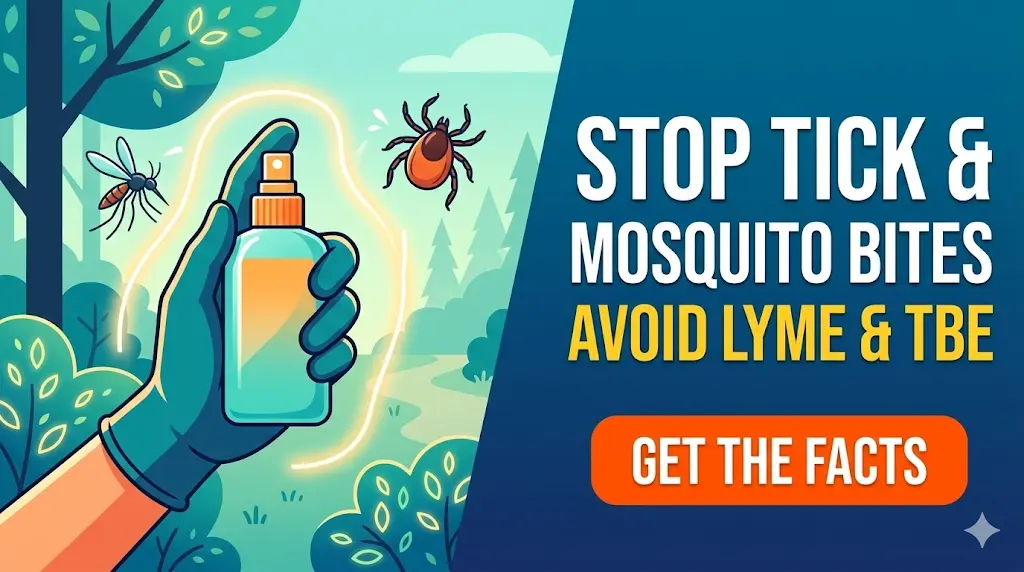
Mosquitoes and ticks are common in many parts of Germany, especially during warmer months and in forested or grassy areas. Tick bites can transmit diseases such as Lyme disease and Tick-borne encephalitis (TBE). Wearing long sleeves, using insect repellent, and staying on marked trails while hiking can help reduce the risk of bites. After spending time outdoors, it is important to check skin and clothing for ticks and remove them promptly if found. Vaccination is available for tick-borne encephalitis in higher risk regions, while early detection is essential for treating Lyme disease effectively.
Lyme disease is a bacterial infection that can affect the skin, nervous system, and joints. Because there is currently no vaccine against Lyme disease, strict preventative measures are your only defense. If infected, the earliest and most recognizable symptom is the Wanderröte (Erythema migrans), a red, expanding “bullseye” rash that appears around the bite site days or weeks later. Fortunately, if caught early, Borreliose is highly treatable with a standard course of antibiotics.
Tick Borne Encephalitis FSME and Vaccination
While Lyme disease occurs nationwide, Tick-Borne Encephalitis (TBE), known in Germany as Frühsommer-Meningoenzephalitis (FSME), is heavily concentrated in specific regions. The Robert Koch Institute (RKI) regularly updates its map of FSME risk areas (Risikogebiete). Currently, the highest-risk regions are in southern Germany, encompassing large parts of Bavaria, Baden-Württemberg, South Hesse, Saxony, and southeastern Thuringia. However, infected ticks are slowly migrating northward.
FSME is a viral infection that attacks the central nervous system, potentially leading to severe meningitis or encephalitis. Because it is a virus, antibiotics are completely ineffective. The absolute best way to protect yourself if you live in or plan to travel to a designated risk area is through the FSME vaccination. To get vaccinated, you must establish a relationship with a local primary care physician, a process detailed in Finding a Doctor in Germany: How to Choose a Hausarzt.
Dealing with Mosquitoes During the German Summer
Common Mosquitoes vs Invasive Species
Expats are often shocked to discover that window screens (Fliegengitter) are exceedingly rare in German homes. Consequently, the common house mosquito (Stechmücke) is a frequent, annoying summer guest. While local German mosquitoes are historically harmless and do not carry diseases like malaria or dengue fever, their bites cause significant itching and localized swelling.
However, climate change and globalization have introduced invasive species to Europe. The Asian tiger mosquito (Aedes albopictus) has established small but stable populations in parts of southern Germany. While the immediate threat of tropical virus transmission (such as Zika or West Nile virus) remains very low in Germany, health authorities are actively monitoring these invasive populations.
Effective Bite Prevention and Relief
Preventing bites requires a multi-layered approach. When hiking, wear light-colored, long-sleeved clothing and tuck your trousers into your socks to prevent ticks from crawling up your legs.
For exposed skin, use strong insect repellents containing DEET or Icaridin. If you prefer natural alternatives, holistic DEET-free sprays, or require soothing after-bite creams that are often heavily marked up in local stores, expats frequently order from iHerb. Utilizing iHerb allows you to stock up on high-quality bug sprays, essential oil repellents, and antihistamine creams before your summer camping trips. Knowing where to buy these items locally can be tricky; our guide on Pharmacies in Germany: Apotheke vs Drogerie Explained clarifies which shops sell clinical-strength repellents versus basic cosmetic sprays.
What to Do If You Get Bitten: Removal and Treatment
How to Safely Remove a Tick
If you find a tick attached to your skin, do not panic, but act swiftly. The risk of Lyme disease transmission increases significantly the longer the tick remains attached. Never use old folk remedies like smothering the tick in oil, glue, or nail polish, as this causes the tick to suffocate and regurgitate its stomach contents—including pathogens—into your bloodstream.
Instead, use a specialized tick removal tool, such as a Zeckenzange (tick tweezers) or a Zeckenkarte (tick card), available at any German pharmacy. Grasp the tick as close to your skin as possible and pull it straight out with steady, even pressure. Do not twist or jerk the tick. After removal, thoroughly disinfect the bite site and wash your hands.
When to See a Doctor in Germany
Monitor the bite site closely for up to six weeks. If you observe the characteristic expanding red ring (Wanderröte), or if you develop severe flu-like symptoms, high fever, or joint pain after a tick bite, you must seek medical attention immediately.
If you develop these symptoms outside of standard clinic hours, do not wait. If you are a new arrival and have not yet registered with a clinic, our article What to Do When You’re Sick in Germany and Don’t Have a Doctor Yet offers actionable workarounds to secure emergency antibiotics. Furthermore, if a severe FSME or Lyme infection renders you unfit to work, you are legally protected; understand your labor rights by reading Sick Leave in Germany: How to Get a Sick Note Krankmeldung and Your Rights.
Health Insurance Coverage for Vaccinations and Care
Public vs Private Insurance Benefits
Understanding how your health insurance protects you against tick-borne diseases is vital. If you are enrolled in the statutory public health insurance system and live in or travel to a designated FSME risk area, your public provider will cover the cost of the FSME vaccination series in full. The treatment for Lyme disease, including doctor consultations and antibiotics, is also completely covered, subject only to a minimal pharmacy co-pay. For a broader overview of these systemic benefits, read Public Health Insurance gesetzliche Krankenkasse: What It Covers and Costs.
However, if you live in northern Germany (a non-risk area) and want the FSME vaccine for a vacation to Austria, some public funds may treat it as an elective travel vaccine and require you to pay out of pocket. In these instances, utilizing a borderless financial platform like Wise allows you to pay for your out-of-pocket medical expenses using your home currency at the real mid-market exchange rate, avoiding hidden legacy banking fees.
If you possess private health insurance, your preventative care benefits are frequently much broader. Premium expat-centric insurers like Ottonova typically cover all travel vaccinations, including FSME, regardless of your permanent German address. With the Ottonova app, you simply pay the doctor upfront and upload the invoice for rapid reimbursement. If you are evaluating your coverage options, utilizing expert brokers like Feather Insurance ensures you select a policy that seamlessly covers your active lifestyle. You can explore the exact financial thresholds required to make this switch in Private Health Insurance in Germany: Benefits, Costs, and Eligibility, and weigh the overarching frameworks in Public vs Private Health Insurance: Which One Should You Choose?. If you need help communicating your vaccination needs to a local clinic, Seeing a Doctor Who Doesn’t Speak English: Tips for Overcoming Language Barriers provides excellent vocabulary tips.
Summary of Tick-Borne Diseases in Germany
| Feature | Lyme Disease (Borreliose) | TBE (FSME) |
| Pathogen Type | Bacteria | Virus |
| Transmission Time | Typically 12-24 hours after attachment | Almost immediately after the bite |
| Primary Symptom | Wanderröte (Expanding red bullseye rash) | High fever, severe headache, neurological symptoms |
| Available Vaccine? | No | Yes (Highly recommended in risk areas) |
| Standard Treatment | Antibiotics | Supportive care only (no cure for the virus) |
References
Primary sources (official)
- Robert Koch Institute (RKI) – FSME: Official epidemiological data and the continuously updated map of FSME risk areas (Risikogebiete) across Germany. https://www.rki.de/DE/Themen/Infektionskrankheiten/Infektionskrankheiten-A-Z/F/FSME/FSME.html
- Robert Koch Institute (RKI) – Borreliose: Comprehensive medical guidelines and public health tracking for Lyme disease infections in Germany. https://www.rki.de/DE/Themen/Infektionskrankheiten/Infektionskrankheiten-A-Z/B/Borreliose/Borreliose.html
Other helpful sources
- Infektionsschutz.de: The Federal Centre for Health Education’s (BZgA) portal offering accessible patient information on preventative measures against ticks and mosquitoes. https://www.infektionsschutz.de/
- Zecken.de: A highly detailed, consumer-friendly educational portal specifically dedicated to tick awareness, safe removal techniques, and interactive risk maps. https://www.zecken.de/
Disclaimer
The information provided in this article is for general informational and educational purposes only and does not constitute professional medical advice. Tick-borne diseases such as FSME and Lyme disease can cause severe, long-term health complications if left untreated. Health insurance coverage rules regarding elective travel vaccinations and the specific preventative care terms of private tariffs from providers are subject to change. Always consult directly with a qualified general practitioner (Hausarzt) or a certified medical professional regarding your vaccination needs, symptom evaluation, and specific insurance coverage in Germany.