Germany’s Biggest Festivals: A Year-Round Calendar
Moving to Germany, or even just visiting, often means diving headfirst into a whirlwind of new experiences. But let's be real, the thought of navigating the country's famous festivals can feel a bit daunting, especially when you're not sure where to start or what to expect. Fret not, fellow expat and traveler! I've been there, staring at event calendars and wondering what a "Frühlingsfest" actually entails. This guide is your no-nonsense, comprehensive walkthrough to Germany's biggest and best festivals, ensuring you experience the true heart of German culture without feeling lost in translation.
Disclosure: This post may contain affiliate links. We may earn a commission at no extra cost to you if you make a purchase through these links. Read full disclosure.
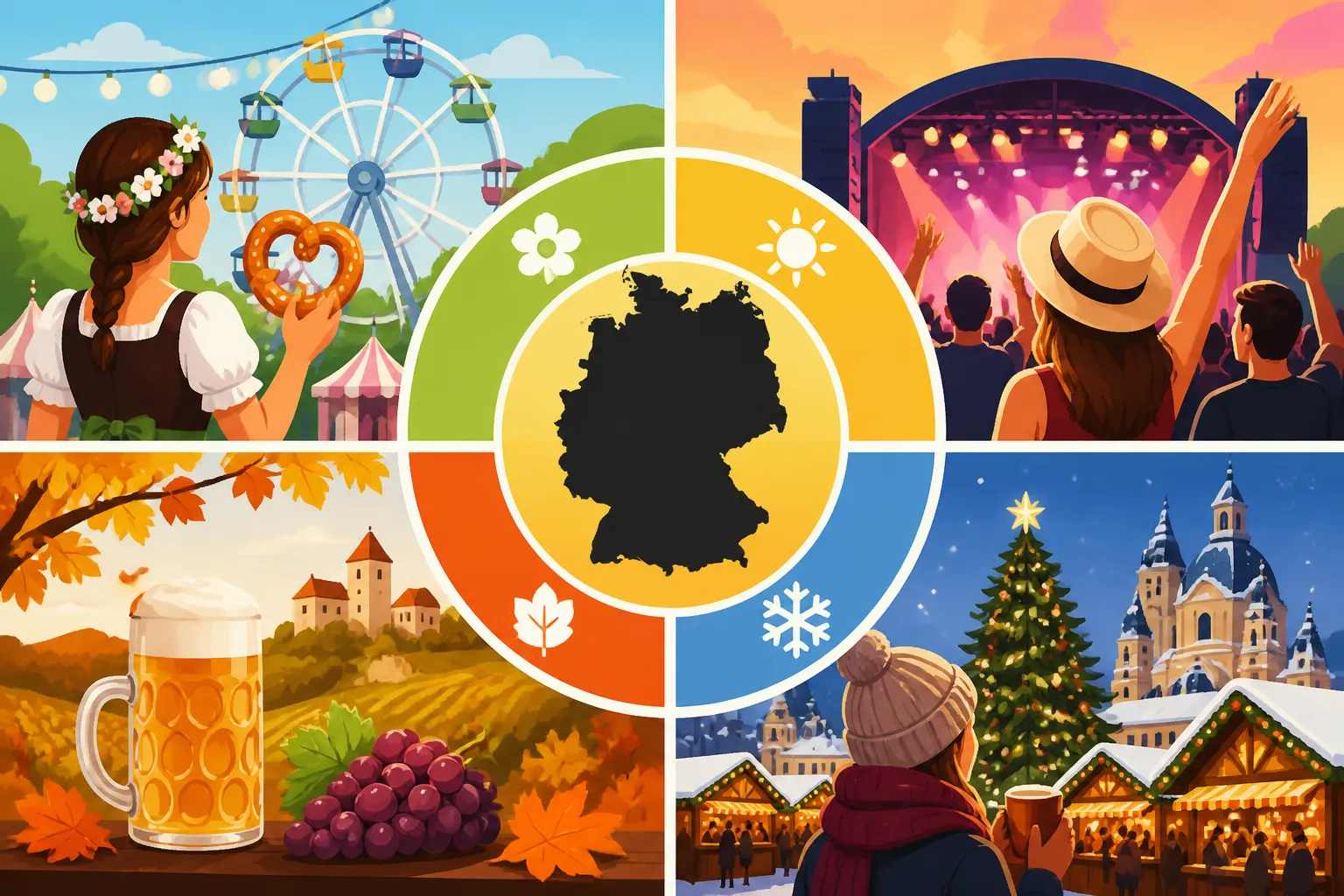
Spring Festivals in Germany: A Time for Awakening
As the last vestiges of winter snow melt away and the days grow longer, Germany bursts into life with a series of vibrant spring festivals. These celebrations are a welcome sign of warmer weather and a fantastic opportunity to see communities come together, often with age-old traditions and plenty of local cheer.
Frühlingsfest and Early Spring Celebrations
Just as many of us are shaking off the winter blues, Germany kicks off its spring with Frühlingsfest, literally "Spring Festival." These aren't just small local gatherings; think of them as mini-Oktoberfests but with a distinctly springtime vibe. Cities like Munich and Stuttgart host some of the largest, drawing huge crowds to fairgrounds adorned with colorful decorations, thrilling rides, and, of course, beer tents. The Munich Frühlingsfest, also known as the "small Oktoberfest," typically runs from late April to early May on the Theresienwiese. It's a fantastic, slightly less crowded alternative to its autumn cousin, offering traditional Bavarian food, strong beers, and plenty of oompah band music. Stuttgart's equivalent, the Stuttgarter Frühlingsfest on the Cannstatter Wasen, is often cited as Europe's largest spring festival. It boasts an equally impressive array of rides, food stalls, and beer tents, often starting in mid-April and lasting several weeks. It's a delightful way to experience German folk festival culture without the overwhelming crowds or intense international focus of Oktoberfest. Families particularly love these festivals for their numerous attractions catering to all ages.
Easter Traditions and Markets (Ostern)
Easter, or Ostern in Germany, is much more than just a religious holiday; it’s a time steeped in charming folk traditions and the joy of renewal. While it might not be a single "festival" in the same vein as Oktoberfest, the weeks leading up to and including Easter weekend see a proliferation of special events and customs across the country. Many towns and villages host delightful Easter markets, known as Ostermärkte, where you can find handcrafted Easter decorations, beautifully painted eggs, spring flowers, and seasonal treats. The atmosphere is usually very cozy and family-friendly, a perfect opportunity to wander and soak up some local flavor. Beyond the markets, you'll encounter unique German Easter customs such as decorating trees and bushes with brightly colored eggs (known as Osterbäume or Ostersträucher), and children going on egg hunts for Osternester (Easter nests) filled with sweets and small gifts. In some regions, especially in the north and east, traditional Easter bonfires (Osterfeuer) are lit on Easter Saturday, symbolizing the driving away of winter and welcoming spring. These bonfires are often community events, bringing people together for an evening of warmth and camaraderie. Many bakeries will also offer special Easter breads and cakes, often braided and decorated with almonds, a real treat for the sweet tooth.
Walpurgisnacht: Mysticism and May Day Eve
As April draws to a close and May approaches, Germany plunges into the mystical world of Walpurgisnacht, celebrated on the night of April 30th. This ancient pagan festival, rooted in Germanic folklore, is particularly prominent in the Harz Mountains in central Germany, though celebrations can be found throughout the country. Legend has it that witches would gather on the Brocken, the highest peak in the Harz, to meet with the devil and engage in wild revelries. Today, while the truly occult aspects are left to history books, Walpurgisnacht is celebrated with enthusiastic costume parties, bonfires, and theatrical performances where people dress up as witches (Hexen) and devils. The town of Thale, at the foot of the Brocken, is a particular hotspot, transforming into a vibrant festival ground with stages, music, and an elaborate "Dance into May" celebration. It's a night of revelry and superstition, where people light fires to ward off evil spirits and welcome the coming of spring. This tradition is a fascinating glimpse into Germany's deep-seated folklore and an unforgettable experience for anyone looking for something a bit different. If you're looking to delve deeper into these celebrations, you can often find guided tours or special events around the Harz region.
Summer Festivals: Open Air, Music, and Water
German summers, though sometimes fleeting, are absolutely cherished, and the country certainly knows how to make the most of them with a fantastic array of outdoor festivals. From dazzling light displays over historic rivers to vibrant parades celebrating diversity, there's no shortage of reasons to step outside and soak up the sun and festive atmosphere.
Rhine in Flames (Rhein in Flammen)
One of the most visually spectacular events in Germany is Rhein in Flammen, or "Rhine in Flames." This series of events, usually held on several dates between May and September, sees magnificent firework displays illuminate various stretches of the Rhine River. Imagine picturesque castles, charming towns, and vineyards bathed in the glow of thousands of pyrotechnics, all reflected in the water. The most famous events take place near Bonn, Koblenz, and St. Goar/St. Goarshausen. For example, the "Rhine in Flames" in Koblenz is typically held on the second Saturday of August, featuring a flotilla of illuminated ships gliding down the river as fireworks explode above. Spectators gather on riverbanks, in quaint villages, or book spots on the special excursion boats to get the best views. It’s a truly magical experience, combining Germany’s stunning natural landscapes with impressive artistic displays. These events are not just about fireworks; they often include local wine festivals, food stalls, and music, creating a lively atmosphere throughout the day before the main spectacle begins. Securing tickets for the boat tours, especially through services like GetYourGuide, well in advance is highly recommended as they sell out fast.
Christopher Street Day (CSD) Parades
Summer in Germany is also a time for vibrant celebrations of diversity and inclusion, prominently featuring Christopher Street Day (CSD) parades. These events are Germany's equivalent of Pride parades, commemorating the Stonewall Riots in New York City in 1969 and advocating for LGBTQ+ rights. Major cities like Berlin, Cologne, Hamburg, and Munich host some of the largest and most colorful CSD events, usually throughout June, July, and August. Cologne's CSD, often held in early July, is particularly renowned for its size and enthusiastic participation, attracting hundreds of thousands of attendees. The parades are a dazzling spectacle of floats, music, dancing, and elaborate costumes, creating an atmosphere of joyous solidarity. Beyond the main parade, CSD celebrations often include street festivals, political rallies, concerts, and cultural events that can last for several days. These are not just parties; they are powerful demonstrations of acceptance and a vital part of Germany's social calendar, reflecting the country's progressive stance on LGBTQ+ rights. Participating in or even just observing a CSD parade is a fantastic way to witness Germany's open and welcoming spirit.
Summer Music Festivals and Open Air Events
Germany's summer months are a paradise for music lovers, with an impressive lineup of Summer Music Festivals and Open Air Events catering to every taste imaginable. From massive rock festivals to classical open-air concerts, the options are endless. One of the most iconic is Rock am Ring (and its sibling, Rock im Park), held simultaneously at the Nürburgring racetrack and Nuremberg's Zeppelinfeld, usually in early June. These festivals draw huge international acts and hundreds of thousands of fans, making them a cornerstone of the European rock calendar. For those who prefer electronic music, Nature One at the Pydna missile base in Hunsrück or Melt Festival at Ferropolis (the "City of Iron" near Gräfenhainichen) offer unique settings and top-tier DJs. But it's not all about massive crowds and camping; many cities host smaller, more intimate open-air concert series in parks or historic courtyards, featuring jazz, classical, or local bands. Berlin's "Classic Open Air" at the Gendarmenmarkt is a sublime experience, bringing classical music to a stunning architectural backdrop. Beyond music, you'll find numerous smaller city festivals (Stadtfeste) throughout the summer, often with stages for local bands, food trucks, and craft stalls, perfect for experiencing genuine German community spirit. Checking local event listings or platforms like Omio for transportation to these events is always a good idea.
Autumn Festivals: Harvest, Wine, and Beer
As the vibrant greens of summer begin to shift into the warm golds and reds of autumn, Germany transitions into a season of abundant harvests, delightful wines, and, of course, world-renowned beer festivals. This is arguably one of the most beloved times of the year for traditional celebrations, drawing visitors from across the globe.
Oktoberfest: Munich's World-Famous Beer Festival
No discussion of German festivals would be complete without highlighting Oktoberfest. This iconic festival, held annually in Munich on the Theresienwiese, is quite simply the largest folk festival in the world. It typically runs for about two weeks, usually from mid-September to the first Sunday in October. Millions descend upon Munich to partake in the festivities, which are a grand celebration of Bavarian culture, featuring enormous beer tents run by Munich's traditional breweries. Each tent has its own unique atmosphere, live Oompah bands, and serves massive steins (one-liter mugs) of Oktoberfest beer, along with traditional Bavarian delicacies like Wiesn-Hendl (roast chicken), Schweinebraten (roast pork), and Brezn (pretzels). Beyond the beer tents, a huge fairground offers thrilling rides, traditional games, and plenty of opportunities for souvenir shopping. Attending Oktoberfest is an unforgettable experience, but it requires careful planning due to its immense popularity. Securing accommodation via Booking.com far in advance is crucial, and it's wise to read up on How to Visit Oktoberfest in Munich for the First Time for tips on navigating the crowds, reserving a spot in a tent, and understanding local customs. It’s an absolute must-do for any expat or visitor wanting to truly immerse themselves in a quintessential German celebration.
German Wine Festivals (Weinfeste)
While Oktoberfest might grab all the headlines, autumn in Germany is also harvest season for its thirteen wine regions, leading to a profusion of delightful German Wine Festivals (Weinfeste). These festivals are a more relaxed, often more intimate affair compared to the boisterous beer festivals, focusing on the celebration of the grape harvest and the new wines. Regions like the Moselle, Rhinegau, Pfalz, and Baden transform into vibrant hubs of viniculture, with towns hosting their own unique Weinfeste from late August through October. You can stroll through picturesque villages, sampling a wide variety of local wines, from crisp Rieslings to fruity Federweisser (partially fermented new wine), often accompanied by hearty regional dishes like Zwiebelkuchen (onion tart). The Bad Dürkheim Wurstmarkt in the Pfalz region, despite its name, is actually the world's largest wine festival, famous for its massive wine barrels and lively atmosphere. The Mainz Wine Market in the city park is another popular choice, offering a sophisticated yet festive experience. These festivals are not just about drinking; they are about connecting with the local winemakers, understanding the regional terroir, and enjoying the relaxed, convivial atmosphere. Many include live music, parades, and craft stalls, making for a perfect autumn day out. Exploring the different German Wine Regions: Riesling and Beyond during this time is highly recommended.
Cannstatter Wasen (Stuttgart Beer Festival)
Not to be outdone by its Bavarian neighbor, Stuttgart hosts its own massive folk festival, the Cannstatter Wasen, often simply called the "Stuttgart Beer Festival." Running annually for about three weeks from late September to mid-October on the Wasen fairgrounds, it's considered the second-largest beer festival in the world after Oktoberfest. While it shares many similarities with Oktoberfest – including large beer tents, thrilling fairground rides, and traditional Swabian food – it often has a slightly more local and less tourist-centric feel. The festival traces its roots back to 1818 as an agricultural fair and harvest festival, and these traditions are still evident today. Visitors can enjoy beers from local Stuttgart breweries, savor regional specialties like Maultaschen (Swabian dumplings) and Käsespätzle (cheese noodles), and enjoy the lively entertainment in the tents. The atmosphere is just as exuberant, with people singing along to folk music and dancing on benches. It's an excellent option for those who want to experience a grand German beer festival without the intense global crowd that Oktoberfest attracts. Both Omio and Deutsche Bahn provide excellent transport options to Stuttgart, making it an accessible destination for this autumnal feast.
Winter Festivals: Lights, Markets, and Holiday Cheer
As the days shorten and the air grows crisp, Germany truly transforms into a winter wonderland, especially when it comes to its enchanting festivals. This season is synonymous with warmth, twinkling lights, and a distinct sense of holiday magic that draws visitors from all corners of the globe.
Christmas Markets (Weihnachtsmärkte)
Without a doubt, one of Germany's most beloved and internationally famous traditions is its Christmas Markets (Weihnachtsmärkte). From late November until Christmas Eve, nearly every city, town, and even many villages across the country sets up these magical markets. Imagine strolling through a beautifully decorated square, enveloped by the scent of gingerbread, roasted almonds, and Glühwein (mulled wine). Each market has its own unique charm, but generally, you'll find an array of wooden stalls selling handcrafted ornaments, local crafts, festive treats, and plenty of warm drinks to ward off the chill. Cities like Nuremberg, Dresden, Cologne, and Berlin are particularly renowned for their large and historic markets. Nuremberg's Christkindlesmarkt, for instance, is one of the oldest and most famous, known for its traditional wooden stalls and Nuremberg gingerbread. Dresden's Striezelmarkt dates back to 1434 and is famous for its Stollen (fruit bread). These markets are not just about shopping; they are a central part of German winter social life, a place to meet friends, enjoy festive food, and soak up the pre-Christmas atmosphere. Many markets also feature carousels, ice rinks, and live choirs, making them perfect for families. Be sure to check out our guide on Christmas Markets and Festive Germany for an in-depth look at what to expect and which ones to visit.
New Year's Eve (Silvester) Celebrations
Germany knows how to ring in the New Year's Eve (Silvester) with a bang, quite literally! While many celebrate privately with friends and family, often with traditional lead pouring (Bleigießen) for fortune-telling, public celebrations are electrifying. The biggest party by far is in Berlin, centered around the Brandenburg Gate, where hundreds of thousands gather for what is often called Europe's largest open-air New Year's Eve party. This monumental event features live music stages, DJs, food stalls, and culminates in a spectacular professional fireworks display at midnight. Smaller, yet equally enthusiastic, public fireworks displays and gatherings take place in city centers across the country, such as at the Cologne Cathedral, along the Main River in Frankfurt, or around the Hofgarten in Munich. It’s important to note that while communal fireworks are beautiful, many individuals also set off their own fireworks, which can make for a lively, albeit sometimes chaotic, atmosphere in residential areas. It's common to hear firecrackers popping and rockets soaring for hours around midnight. If you're planning to be in a city center for the official displays, arrive early to secure a good spot, and be prepared for large crowds and public transport changes.
Carnival/Fasching/Fastnacht: The "Fifth Season"
Perhaps the most exuberant and distinctly German winter festival is Carnival, known by different names depending on the region: Karneval in the Rhineland (Cologne, Düsseldorf, Mainz), Fasching in Bavaria, and Fastnacht in Swabia and parts of Hesse. This "Fifth Season" officially kicks off on November 11th at 11:11 AM, but the main celebrations and parades typically occur in the week leading up to Ash Wednesday, usually in February or early March. The Rhineland cities, particularly Cologne, Düsseldorf, and Mainz, are the epicenters of Carnival merriment. Here, the celebrations are characterized by elaborate costumes, satirical floats, political commentary, and the famous "Rose Monday" parades (Rosenmontagszug), where tons of sweets (Kamelle) and flowers are thrown to the cheering crowds. In Cologne, the cry of "Alaaf!" fills the air, while Düsseldorf revels with "Helau!". It's a time when rules are playfully subverted, and a spirit of joyful anarchy takes over. In other regions, like Swabia, Fastnacht features grotesque wooden masks and elaborate, often frightening, costumes, with more ancient and pagan rituals. No matter the name or region, Carnival is a wild, colorful, and utterly unique German experience, offering a fascinating contrast to the more contemplative Christmas season. Accommodation during this period, especially in Cologne, can be expensive and hard to come by, so early booking on platforms like Booking.com is essential.
Planning Your Festival Adventures: Practical Tips for Expats
Navigating Germany's diverse festival landscape can be incredibly rewarding, but like many things in this wonderfully organized country, a little planning goes a long way. As an expat who’s learned a few lessons the hard way, I can tell you that preparation is key to turning a potentially stressful outing into an unforgettable memory.
Accommodation and Transportation
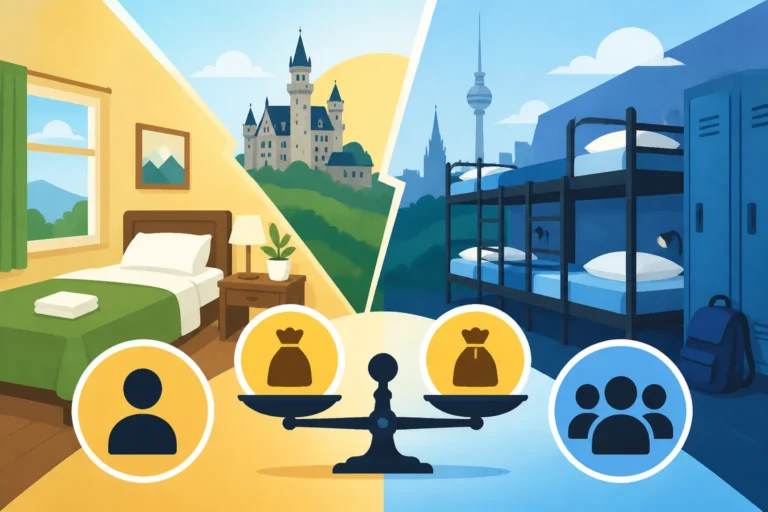
When planning to attend any of Germany's major festivals, your first thoughts should immediately turn to accommodation and transportation. These events draw massive crowds, both local and international, meaning that hotels, hostels, and even Airbnbs in and around the festival cities get booked up months in advance. For big events like Oktoberfest, the Cologne Carnival, or even significant Christmas markets, securing your lodging via platforms like Booking.com as soon as your travel dates are firm is not just advisable, it's practically mandatory. Expect surge pricing during these periods, so budgeting accordingly is crucial.
Transportation is another critical aspect. Germany boasts an excellent public transport network, and for most city-based festivals, trains (Deutsche Bahn, S-Bahn, U-Bahn), trams, and buses will be your best friends. Services like Omio are fantastic for booking long-distance train and bus tickets, connecting you efficiently between cities. During peak festival times, Deutsche Bahn often adds extra trains, but carriages will still be packed, so booking seat reservations is a smart move. For those who prefer the flexibility of driving, be aware that parking near festival grounds can be incredibly challenging, if not impossible, and many city centers are pedestrianized during festivals. Consider utilizing park-and-ride options on the outskirts of cities if you choose to bring a car, but honestly, for most city-based events, public transport is the most stress-free option. If you're planning to visit more remote wine festivals or smaller local celebrations, renting a car through a service that Booking.com might suggest for travel can be more practical, but always check for designated parking areas beforehand.
Navigating Crowds and Local Customs
Embracing the energy of a German festival often means being prepared for crowds. Whether it's the sheer volume of people in a Munich beer tent or the bustling lanes of a Christmas market, patience is a virtue. Stay aware of your surroundings, keep an eye on your belongings, and if you're with a group, establish a meeting point in case you get separated.
Understanding local customs is also vital for a smooth and respectful experience. For example, at beer festivals, it's common to join in the singing and revelry, but always be respectful of your neighbors at the table. In beer tents, tipping is customary, especially for good service – a euro or two per round, or rounding up to the nearest whole euro is appreciated. Knowing a few basic German phrases like "Bitte" (please), "Danke" (thank you), and "Prost!" (cheers!) will go a long way. When it comes to German Etiquette: Do’s and Don’ts in Social and Professional Settings, many of these social graces extend to festival environments. Be punctual if you have a reservation, and understand that Germans value order even in celebratory chaos. For parades, especially during Carnival, remember the tradition of catching sweets and flowers but avoid pushing or shoving. It's all part of the fun, but courtesy reigns supreme.
Booking and Essential Apps
In the digital age, having the right tools at your fingertips can significantly enhance your festival experience. For planning and booking, Omio is an invaluable resource, allowing you to compare and book train, bus, and even flight tickets across Germany and Europe, making multi-city festival hopping a breeze. When it comes to tours, local experiences, or skip-the-line tickets for popular attractions near festival locations, GetYourGuide is an excellent platform, offering a wide range of curated activities. And as mentioned, Booking.com is indispensable for finding and securing accommodation well in advance.
Beyond booking platforms, consider downloading a few essential apps for your trip. A good translation app can be a lifesaver, especially if your German isn't quite fluent yet. City-specific public transport apps (like BVG for Berlin or MVV for Munich) will provide real-time schedules and ticket purchasing options. Google Maps is, of course, a general must-have for navigation. Many festivals also have their own official apps, providing maps of the grounds, event schedules, and sometimes even digital payment options. Staying connected with mobile data is generally easy in Germany, with good network coverage in most populated areas. Prepaid SIM cards are readily available, or you can check if your home country's mobile plan offers reasonable roaming. Keep your phone charged, or carry a power bank, as you'll be using it for everything from photos to navigation and communication.
Festival Calendar Overview
To help you visualize the year-round excitement, here's a brief overview of some major festival types and when they typically occur. Keep in mind that specific dates can vary annually, so always double-check official schedules!
| Festival Type | General Timing | Key Characteristics | Major Cities/Regions |
|---|---|---|---|
| Frühlingsfest | April – May | Spring beer festivals, rides, food, family-friendly | Munich, Stuttgart, local towns |
| Easter Markets | Weeks leading up to Easter (March – April) | Crafts, decorations, spring flowers, bonfires | Throughout Germany |
| Walpurgisnacht | April 30th | Mystical celebrations, bonfires, costumes | Harz Mountains (Brocken, Thale) |
| Rhein in Flammen | May – September (various dates) | Fireworks over the Rhine River, illuminated boats, local markets | Koblenz, Bonn, St. Goar, Rüdesheim |
| CSD / Pride | June – August (various dates) | LGBTQ+ parades, street festivals, political rallies | Berlin, Cologne, Hamburg, Munich |
| Summer Music Fests | June – August | Rock, electronic, classical open-air concerts | Nürburgring, Ferropolis, Berlin |
| Oktoberfest | Mid-September – early October | World's largest beer festival, Bavarian culture, rides | Munich |
| Wine Festivals | Late August – October | Wine tasting, regional food, harvest celebrations | Moselle, Rhinegau, Pfalz, Baden |
| Cannstatter Wasen | Late September – mid-October | Large beer festival, rides, Swabian food, agricultural fair | Stuttgart |
| Christmas Markets | Late November – December 24th | Festive stalls, crafts, Glühwein, traditional food, holiday cheer | Throughout Germany (Nuremberg, Dresden, Cologne) |
| Silvester | December 31st | New Year's Eve fireworks, public parties, private gatherings | Berlin (Brandenburg Gate), major cities |
| Carnival/Fasching | Main parades Feb/March (official start Nov 11th) | Costume parties, satirical parades, street celebrations, sweets | Cologne, Düsseldorf, Mainz (Rhineland), Bavaria, Swabia |
This guide is just the beginning of your journey into Germany's incredible festival culture. Each event offers a unique window into the country's rich history, vibrant traditions, and modern spirit. So, go forth, explore, and embrace the festive side of Germany!
Disclaimer
Please note that while this guide provides comprehensive information based on current knowledge and general practices, festival dates, specific regulations, and event details can change. It is always recommended to check official festival websites and local tourism boards for the most up-to-date information before planning your trip. We strive for accuracy but cannot guarantee real-time updates for all external events.