Fairy-Tale Germany: Villages Along the Romantic Road
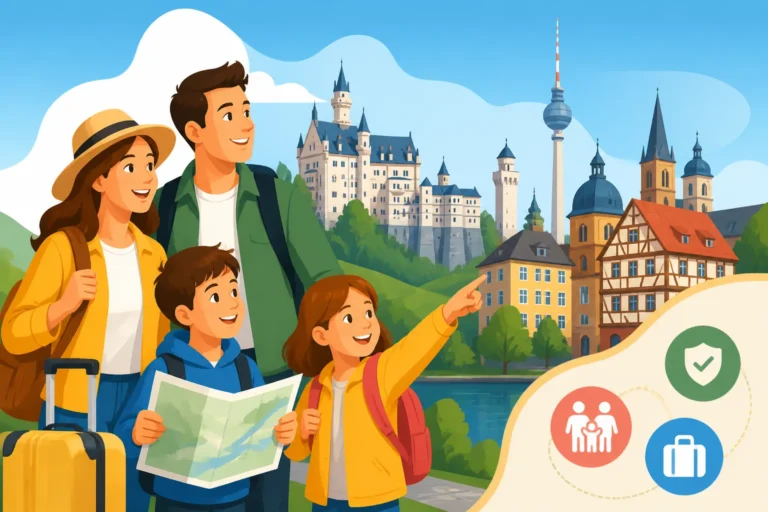
Ah, Germany! A land often associated with its punctual trains, efficient bureaucracy, and perhaps a stern reputation. But peel back that veneer, and you'll discover a heart steeped in history, charm, and the very essence of fairy tales. If you've ever dreamt of stepping into a Brothers Grimm story, complete with medieval towns, towering castles, and cobblestone streets, then buckle up, because this guide is all about taking you on an unforgettable journey along the renowned Romantic Road, showcasing the most enchanting villages and towns along the way.
Disclosure: This post may contain affiliate links. We may earn a commission at no extra cost to you if you make a purchase through these links. Read full disclosure.
What Exactly is Germany's Romantic Road?
For those of us who've moved here, or are just visiting, the sheer volume of history and culture can be overwhelming. But the Romantic Road, or Romantische Straße as it's known locally, offers a curated, picturesque slice of German heritage that feels almost too perfect to be real. It's not some ancient trade route, but rather a thoughtfully designed tourist route established in the 1950s to remind people of Germany's beauty after the war and to promote tourism.
A Bit of History and Charm
Imagine a post-war Germany, looking to rebuild its spirit and economy. What better way than to highlight the enduring beauty of its most charming regions? The concept behind the Romantic Road was brilliantly simple: connect a series of historically significant and visually stunning towns and natural landscapes through Bavaria and Baden-Württemberg, creating a narrative of timeless German romance and idyllic scenery. It quickly captured the imagination of travelers, both local and international, becoming one of Germany's most popular holiday routes. It's a journey through architectural eras, from Roman settlements to medieval walled cities, Renaissance splendor, and Baroque masterpieces, all nestled amidst rolling hills, pristine rivers, and ancient forests.
The name "Romantic Road" perfectly captures the feeling you get as you drive or cycle through these landscapes. It evokes that sense of wonder, of stepping back in time, and discovering places that feel like they've been plucked straight from a storybook. It’s less about grand, bustling metropolises and more about intimate, well-preserved towns that have retained their character over centuries. It’s about slowing down, breathing in the history, and letting the charm wash over you.
The Route Itself
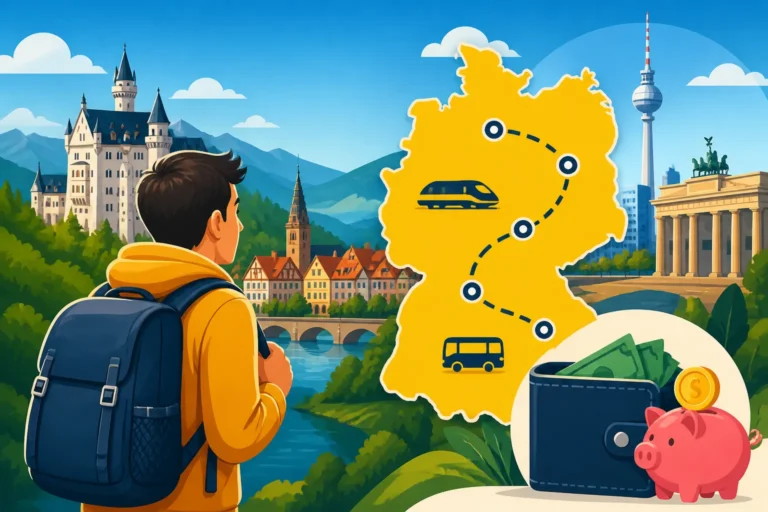
Stretching approximately 460 kilometers (about 285 miles) from Würzburg in the north to Füssen in the south, the Romantic Road carves a path through some of Germany's most enchanting regions. It begins in the Franconian wine region, known for its unique Bocksbeutel wine bottles and impressive historical residences, and gradually descends through picturesque river valleys and sprawling agricultural lands, before culminating in the majestic Bavarian Alps, home to Germany's most famous fairy-tale castle.
Along the way, the route is clearly marked with brown signs featuring the Romantic Road logo, making navigation relatively straightforward, whether you're driving your own car or relying on public transport and cycling. The journey can take anywhere from a few days to a week or more, depending on how many stops you make and how deeply you wish to explore each location. Each town offers its own unique flavor, history, and set of attractions, ensuring that no two stops feel quite the same, even as they all contribute to the overall magical narrative of the route. It’s truly a journey that rewards curiosity and a willingness to simply wander and get lost in the beauty.
Must-See Fairy-Tale Villages and Towns
The magic of the Romantic Road lies in its carefully curated collection of towns, each with its own distinct allure. They’re not just pretty places; they’re living museums, offering glimpses into Germany's rich past.
Würzburg: Gateway to the Magic
Starting your journey in Würzburg feels right, as it's a city that grandly announces the historical richness ahead. It's a vibrant university city, but its Baroque heart is what truly captures the imagination. The undisputed star here is the Würzburg Residence (Residenz), a UNESCO World Heritage site that served as the palace for the prince-bishops. Walking through its lavish rooms, especially the Kaisersaal and gazing up at the magnificent ceiling fresco by Tiepolo in the staircase, you'll feel utterly transported. This isn’t just a building; it’s an experience in opulent 18th-century European power.
But Würzburg isn’t all stately interiors. Take a stroll across the Old Main Bridge (Alte Mainbrücke), lined with statues of saints and offering breathtaking views of the Marienberg Fortress perched high above the vineyards on the opposite bank. It’s a perfect spot to enjoy a glass of local Franconian wine – perhaps a Silvaner – much like the locals do, enjoying the evening sun. The fortress itself is also worth exploring, providing a deeper dive into the region's history and offering even more panoramic views of the city and the winding Main River.
Rothenburg ob der Tauber: The Quintessential Medieval Gem
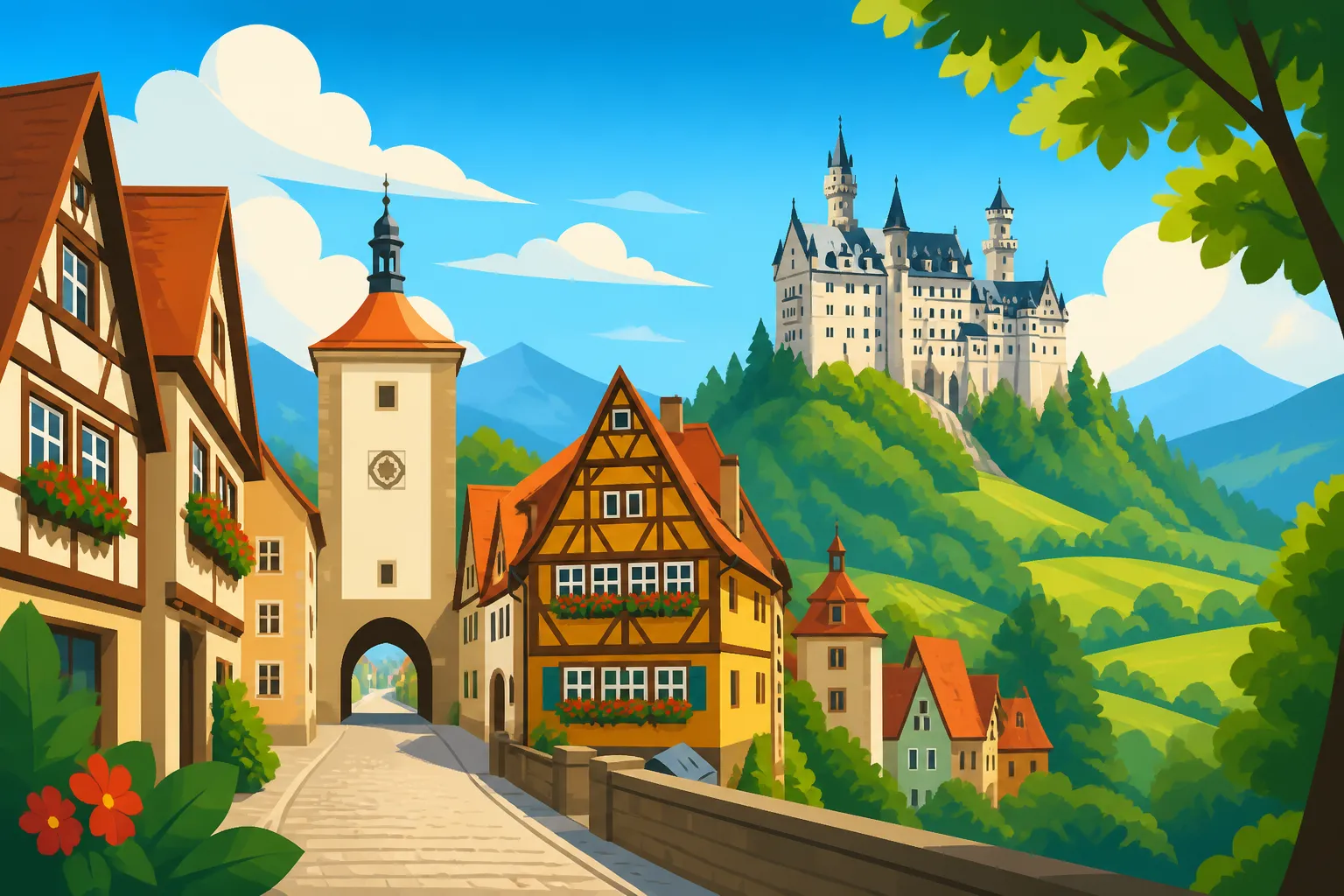
If you ask anyone to picture a German fairy-tale town, chances are they're imagining Rothenburg ob der Tauber. This place is the undisputed poster child of the Romantic Road, and for good reason. Its medieval walls are almost entirely intact, allowing you to walk atop them and imagine life centuries ago. Every corner, every timber-framed house, every cobblestone alley feels like a scene from a storybook. The town’s history, particularly its defiance during the Thirty Years’ War, adds another layer of intrigue, celebrated through local legends like the Meistertrunk (Master Draught).
Don't miss the town hall (Rathaus) with its impressive tower, offering incredible views, or the Plönlein, a small triangular square with a crooked timber-framed house and two diverging streets, often cited as one of Germany's most photographed spots. For those who love all things festive, the Käthe Wohlfahrt Christmas Village is a permanent, enchanting Christmas wonderland, making it feel like December even in the middle of summer. It can get incredibly busy, especially in peak season, but even with the crowds, Rothenburg's charm is undeniable.
Dinkelsbühl: The Walled Wonder
Often overshadowed by its more famous neighbor, Rothenburg, Dinkelsbühl is a hidden gem that many expats swear by for a more authentic, less tourist-mobbed medieval experience. It’s another wonderfully preserved walled city, complete with towers and gates, but with a slightly softer, more lived-in feel. Its pastel-colored houses and tranquil atmosphere make it incredibly appealing for those seeking a peaceful stroll.
The town actively avoided destruction during the Thirty Years' War, thanks to a legend involving the children of the town begging their conquerors for mercy, a story commemorated annually during the Kinderzeche festival. Walking through Dinkelsbühl, you'll find charming squares, inviting cafes, and a palpable sense of history without the commercial gloss. The local shops offer artisan crafts and regional specialties, and the town provides numerous opportunities for quiet reflection and stunning photography.
Nördlingen: The Crater City
Now, for something truly unique along the Romantic Road: Nördlingen. This isn't just any medieval town; it's the only German city located directly within a perfectly preserved meteorite crater, the Nördlinger Ries. Imagine a massive impact 15 million years ago that created the geological foundation for this fascinating place. This unique origin story gives the town a distinct character, and it’s even said that diamonds formed from the impact debris can be found in the local stone.
You can walk the complete circular town wall, offering fantastic views of the surrounding crater landscape and a different perspective on the town's charming houses. Climb the "Daniel," the tower of St. George's Church, for an even higher vantage point to truly appreciate the circular shape of the old town within the crater. It's a geological marvel as much as it is a historical one, offering a fascinating detour from the typical medieval village experience.
Augsburg: Roman Roots and Renaissance Splendor
As you continue south, you'll arrive in Augsburg, one of Germany's oldest cities with a rich history stretching back to Roman times. Founded by the Roman emperor Augustus, it truly flourished during the Renaissance, becoming a major European banking and trading center. This wealth is still evident in its impressive architecture and grand squares. Don't miss the Rathaus (Town Hall) with its stunning Golden Hall, a breathtaking example of Renaissance interior design.
But Augsburg's most enduring legacy might be the Fuggerei, the world's oldest social housing complex, founded in 1516 by Jakob Fugger "the Rich." It's still in operation today, providing affordable housing for needy citizens, and for a small fee, you can visit a historical apartment, a museum, and the chapel within this charming "city within a city." It’s a remarkable testament to social responsibility that has stood the test of time.
Landsberg am Lech: Picturesque River Town
Further down the road, Landsberg am Lech offers a postcard-perfect scene where the River Lech tumbles over a weir, overlooked by colorful houses and a historical Old Town. It's a smaller, more intimate town compared to Augsburg, but equally captivating with its towers, gates, and the impressive Hauptplatz (main square). The Mutterturm (Mother Tower) offers a great viewpoint over the town and the river.
It’s an ideal spot for a leisurely afternoon stroll, perhaps enjoying an ice cream by the river or exploring its quaint shops. The town’s defensive structures and historical buildings are beautifully preserved, making it a peaceful and aesthetically pleasing stop on your journey.
Füssen and Neuschwanstein Castle: The Grand Finale
The Romantic Road culminates in Füssen, a charming town nestled at the foot of the Bavarian Alps. While Füssen itself is delightful, with its high castle, quaint streets, and proximity to several beautiful lakes like Alpsee, its primary draw is its proximity to Germany's most famous fairy-tale castle: Neuschwanstein. This isn't just a castle; it's the iconic image that springs to mind when one thinks of fairy tales, the very inspiration for Disney’s Sleeping Beauty Castle.
Commissioned by the reclusive King Ludwig II of Bavaria, Neuschwanstein is a masterpiece of romantic historicism, blending various architectural styles into a dreamlike vision. While often crowded, a visit is truly unforgettable. Make sure to book your tickets well in advance – we’re talking weeks, even months, ahead, especially in peak season – as same-day tickets are almost impossible to get. Nearby is Hohenschwangau Castle, Ludwig's childhood home, which offers a contrasting yet equally fascinating glimpse into his life. The views from Marienbrücke (Mary's Bridge) of Neuschwanstein are legendary, though be prepared for crowds vying for that perfect photo opportunity. The surrounding area also offers incredible hiking trails and opportunities to explore the crystal-clear Alpsee.
Here's a quick comparison of some of these magical towns:
| Town/City | Key Highlight(s) | Best For | Vibe |
|---|---|---|---|
| Würzburg | Residenz Palace, Old Main Bridge, Marienberg Fortress | Grand Baroque architecture, wine culture | Elegant, lively, historical |
| Rothenburg ob der Tauber | Intact Medieval Walls, Plönlein, Christmas Village | Quintessential fairy-tale experience, history | Bustlingly charming, tourist-friendly, medieval |
| Dinkelsbühl | Walled city, colorful houses, Kinderzeche festival | Authentic medieval feel, fewer crowds | Peaceful, picturesque, idyllic |
| Nördlingen | Meteorite Crater, St. George's Church "Daniel" | Unique geological history, circular wall walk | Intriguing, historical, quiet |
| Augsburg | Fuggerei, Golden Hall, Roman history | Renaissance architecture, social history | Grand, cultured, historically significant |
| Füssen | Neuschwanstein Castle, Hohenschwangau Castle, Alps | Iconic castle visits, alpine scenery | Picturesque, outdoor activities, dreamlike |
Getting Around the Romantic Road
Navigating this picturesque route can be part of the adventure itself. There are several ways to experience the Romantic Road, each offering a different pace and level of flexibility.
Self-Driving: The Freedom of the Open Road
For many, the ultimate way to experience the Romantic Road is by car. This gives you the freedom to stop whenever a charming village catches your eye, linger longer in places you love, and explore off-the-beaten-path attractions. Driving in Germany is generally a pleasure, with well-maintained roads and efficient signage. If you're considering renting a car, do check out my guide on Renting a Car and Driving on the Autobahn. Keep in mind that while the Autobahn is famous for its lack of speed limits, the Romantic Road itself involves scenic country roads where speed limits are strictly enforced.
The main advantage of driving is unparalleled flexibility. You can tweak your itinerary on the fly, follow spontaneous detours, and carry your luggage easily between towns. Parking can sometimes be a challenge in the very heart of the smallest towns, especially during peak season, but most places have designated parking lots outside the old town walls. Just be aware that some medieval centers are pedestrian-only zones. A GPS system is highly recommended, though the Romantic Road signs are generally very clear. Fuel costs and rental fees will be a significant part of your budget, so factor those in.
Public Transport: Trains and Buses
While driving offers maximum flexibility, it's absolutely possible to experience the Romantic Road using Germany's excellent public transport system. Deutsche Bahn (DB) trains connect many of the larger towns like Würzburg and Augsburg. For the smaller, more remote villages, specialized buses often bridge the gaps. For example, the Romantic Road Coach (Europabus) operates seasonally (usually April to October), connecting many of the key towns along the route. It’s a dedicated service tailored for tourists, complete with comfortable coaches and luggage space. You can purchase tickets for specific segments or for the entire route. This is where services like Omio can be incredibly useful, allowing you to compare and book train and bus tickets all in one place, even for international connections if you're coming from abroad. They simplify the booking process for both long-distance High-Speed Trains in Germany ICE Deutsche Bahn Routes and Savings and regional transport.
Using public transport means you can relax and enjoy the scenery without worrying about navigation or parking. However, it does mean adhering to schedules and potentially less flexibility for spontaneous stops. It's crucial to check timetables well in advance, especially for the smaller towns, as bus services might be less frequent on weekends or outside of peak tourist season. Exploring How to Buy Deutsche Bahn Tickets and Save Money can certainly help you optimize costs if you plan to use trains.
Organized Tours: Sit Back and Enjoy
If you prefer a completely hassle-free experience, consider joining an organized tour. Numerous tour operators offer multi-day trips along the Romantic Road, often including accommodation, transport, and guided visits to the main attractions. These tours remove the stress of planning and logistics, allowing you to simply soak in the beauty and history. Websites like GetYourGuide offer a range of options, from full-fledged multi-day excursions to day trips focusing on specific highlights, such as a popular day trip to Neuschwanstein from Munich.
This option is perfect if you’re short on time, don't want to drive, or prefer the company of a group. The downside is less flexibility, set itineraries, and often a higher cost compared to independent travel. However, the convenience and expert insights from local guides can be invaluable, especially for first-time visitors to Germany.
Planning Your Fairy-Tale Adventure
A little planning goes a long way to ensure your Romantic Road trip is as magical as possible. As expats, we know how German bureaucracy likes its paperwork, but planning your trip to avoid hitches is just good sense!
Best Time to Visit
Germany’s Romantic Road is beautiful year-round, but each season offers a different experience.
- Spring (April-May): The landscapes burst into bloom, temperatures are mild, and crowds are manageable. This is a wonderful time for scenic drives and walks.
- Summer (June-August): Long, sunny days are perfect for exploring, but this is also peak tourist season. Expect larger crowds, higher prices for accommodation, and you absolutely must book everything well in advance, especially Neuschwanstein tickets.
- Autumn (September-October): The foliage turns vibrant shades of red and gold, creating stunning backdrops. The weather is still pleasant, and the summer crowds begin to thin out. This is my personal favorite time to visit!
- Winter (November-March): While many services (like the Romantic Road Coach) might not operate, the towns take on a special charm, especially during the Christmas season with their enchanting Christmas Markets. Imagine Rothenburg dusted with snow – pure magic! Just be aware that some attractions may have reduced hours or be closed.
Accommodation Along the Route
You'll find a wide variety of accommodation options along the Romantic Road, from charming family-run Gasthäuser (guesthouses) and traditional hotels to modern hotels and self-catering apartments. In the larger cities like Würzburg and Augsburg, you'll have more choices, including international chain hotels. In the smaller towns, boutique hotels and guesthouses often offer a more authentic experience.
It’s always a good idea to book your accommodation in advance, especially during peak season or if you have specific preferences. Websites like Booking.com are incredibly helpful for finding a range of options, comparing prices, and reading reviews from other travelers. Many Gasthäuser offer breakfast included, which is a great way to start your day with traditional German fare. If you're travelling with family, consider booking apartments for more space and the option to self-cater, which can also help with budgeting. For more general advice on Accommodation in Germany Hotels Pensionen and Hostels, you can check out our other guides.
Budgeting for Your Trip
The cost of your Romantic Road adventure can vary widely depending on your travel style.
- Accommodation: Expect to pay anywhere from €70-€150+ per night for a mid-range hotel, with guesthouses potentially being a bit cheaper and luxury options significantly more.
- Food: Germany offers great value for food. You can enjoy hearty meals at traditional restaurants for €15-€25, grab quick bites from bakeries or snack stalls for under €10, or splurge on fine dining. Don't forget to budget for those delicious cakes and coffees! Check out our article on German Regional Dishes Every Visitor Should Try for inspiration.
- Transportation: If driving, factor in rental car costs (which can vary wildly depending on season and car type) and fuel. Public transport costs can be managed by booking in advance or utilizing rail passes.
- Activities: Entry fees for castles, museums, and other attractions usually range from €5-€20 per person. Guided tours will add to this.
- Miscellaneous: Don't forget small expenses like souvenirs, parking fees, and perhaps a small amount for tipping in Germany.
A reasonable daily budget for a comfortable trip (excluding flights to Germany and major car rental costs) could be around €100-€150 per person per day. Being mindful of Cash vs Card in Germany What Visitors Should Know will also help you budget, as some smaller establishments might still prefer cash.
Essential Packing Tips
Packing smart will make your trip much more enjoyable.
- Comfortable Walking Shoes: This is paramount! You’ll be doing a lot of walking on cobblestone streets and potentially climbing castle stairs.
- Layers: German weather can be unpredictable, so dressing in layers allows you to adapt to changing temperatures throughout the day.
- Rain Gear: A light waterproof jacket or umbrella is always a good idea, regardless of the season.
- Adapter: Don't forget a European power adapter (Type F or E) for your electronics.
- Camera: To capture all those fairy-tale moments! An extra battery or power bank is also a good idea.
- Small Backpack: Handy for day trips to carry water, snacks, and souvenirs.
- Travel Documents: Keep your passport, visa, booking confirmations, and any necessary travel insurance documents readily accessible.
Beyond the Sights: Embracing the Experience
The Romantic Road isn't just about ticking off a list of attractions; it's about immersing yourself in the German way of life and creating lasting memories.
Savoring Local Cuisine
One of the greatest joys of traveling in Germany is the food. Along the Romantic Road, you’ll find plenty of opportunities to indulge in hearty Bavarian and Franconian specialties. Think Schweinshaxe (roasted pork knuckle), Knödel (dumplings), and a variety of sausages like Bratwurst and Weisswurst. In the Franconian wine region around Würzburg, be sure to try the local wines, which are often served in distinctive Bocksbeutel bottles. As you move south into Bavaria, beer culture becomes more prominent, with local breweries offering refreshing lagers and wheat beers.
Don’t shy away from stopping at a local bakery for fresh bread rolls, pretzels, and delicious cakes like Schwarzwälder Kirschtorte (Black Forest gateau). Many towns will have traditional Gasthäuser where you can enjoy authentic regional dishes in a cozy atmosphere. It’s also worth noting that German meal times might be a bit different from what you're used to; lunch is typically the main hot meal of the day, and dinner can be a lighter affair.
Souvenirs and Local Crafts
As you wander through the charming streets, you'll inevitably stumble upon quaint shops selling local crafts and unique souvenirs. Rothenburg ob der Tauber, in particular, is famous for its year-round Christmas shops, but you’ll find artisan goods in many of the towns. Look out for hand-carved wooden items, traditional pottery, locally produced wines and spirits, and various culinary delights specific to each region.
It's a wonderful opportunity to pick up something unique that reminds you of your trip, far beyond the generic tourist trinkets. Supporting local artisans also helps keep these traditional crafts alive. Just be mindful of your luggage space if you're flying!
Photography Tips
With such picturesque scenery, you'll want to capture every moment. Early mornings or late afternoons often offer the best light for photography, especially in the quaint old towns, as the soft light enhances the colors and textures of the timber-framed houses and cobblestone streets. These times also tend to be less crowded, allowing for unobstructed shots.
Consider taking photos from different vantage points – from atop town walls, church towers (like the "Daniel" in Nördlingen), or bridges (like the Alte Mainbrücke in Würzburg). Don't just focus on the grand landmarks; capture the small details, the colorful flowers, the intricate carvings, and the charming signs that make these villages so unique. And, of course, make sure to get that iconic shot of Neuschwanstein from Marienbrücke, even if it means jostling with a few others for the perfect frame!
The Romantic Road offers an escape into a Germany that feels almost unreal, a Germany of legends, knights, and kings. It's a journey that speaks to the romantic in all of us, reminding us that even in a world of modern efficiency, magic still exists, tucked away in the heart of Bavaria. So, go on, let your imagination run wild, and step into your very own fairy tale.
Disclaimer
Please note that travel information, opening hours, prices, and regulations can change. While every effort has been made to provide accurate and up-to-date information, it is always recommended to check the latest details with official sources and local providers before making any travel plans. This guide is for informational purposes only and does not constitute professional travel advice.