How to Plan a Baltic Coast Beach Trip in Germany
Most expats and international travelers focus their German adventures on the heavy hitters like the Bavarian Alps or the urban grit of Berlin, completely overlooking the 2,000 kilometers of pristine coastline in the north. Planning a Baltic Coast trip involves navigating confusing ferry schedules, seasonal price hikes, and unique cultural norms like mandatory beach taxes. This guide simplifies the process, ensuring your seaside escape is restorative rather than stressful.
Disclosure: This post may contain affiliate links. We may earn a commission at no extra cost to you if you make a purchase through these links. Read full disclosure.
Choosing Your Coastal Identity: Rügen, Usedom, or the Mainland
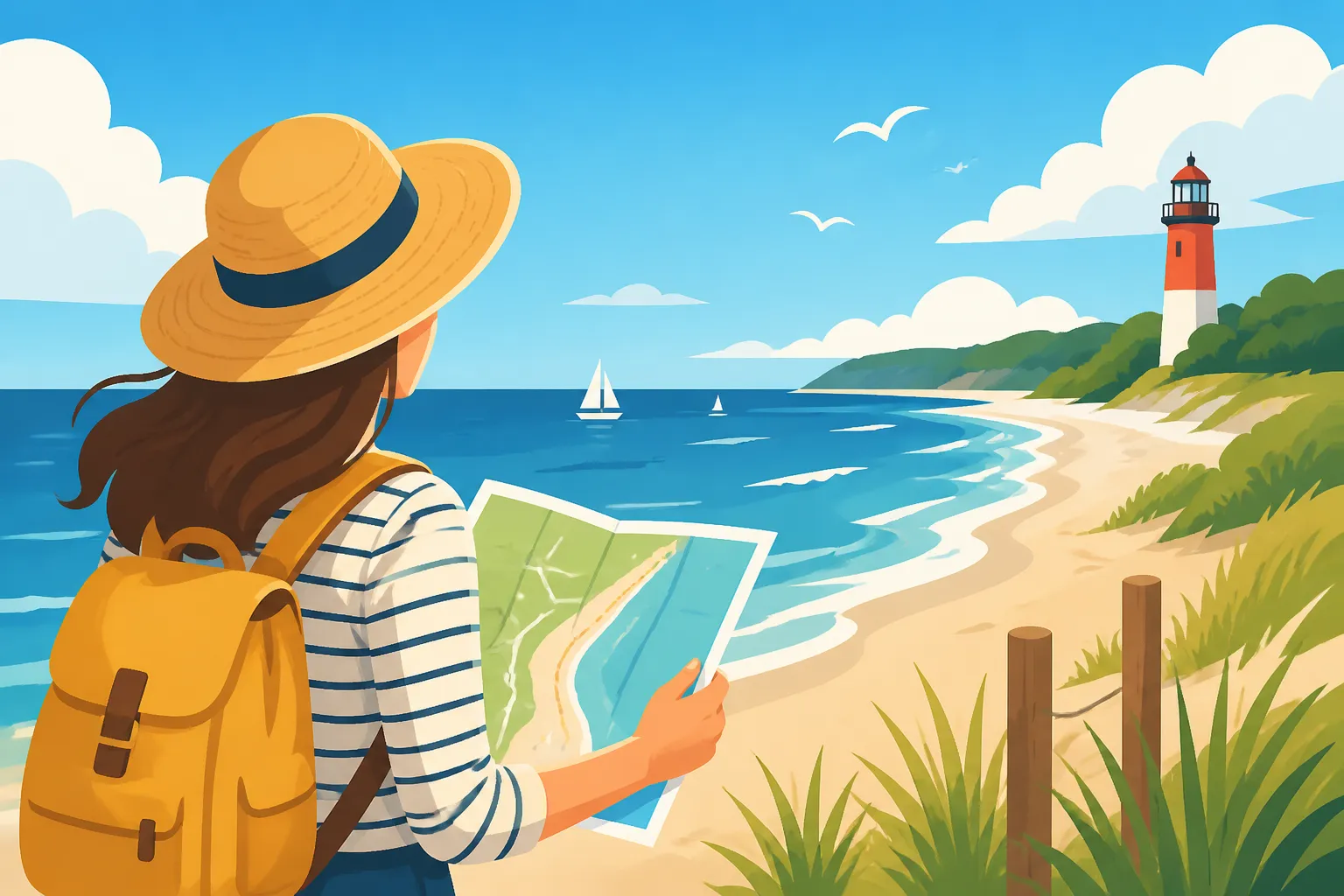
The first hurdle any veteran expat will tell you about is the sheer variety of the Baltic (Ostsee). Unlike the North Sea with its dramatic tides and mudflats, the Baltic is calmer, making it ideal for swimming, but picking the wrong base can result in a very different vacation than intended.
Rügen: The Iconic Island of Chalk Cliffs
Rügen is Germany’s largest island and arguably its most famous. If you have seen the romantic paintings by Caspar David Friedrich, you already know the Königsstuhl—the massive white chalk cliffs that plunge into the turquoise sea. I remember my first visit being struck by how "un-German" the water looked; on a sunny day, it rivals the Mediterranean.
For those looking for a mix of luxury and history, Binz and Sellin are your best bet. Here, you will find the classic Bäderarchitektur—ornate white villas with wooden balconies that make you feel like you have stepped back into the 19th century. If you are staying in these upscale areas, you might find that Germany's Most Beautiful Small Towns to Visit often includes the charming inland villages of Rügen as well. For those wanting a more rugged experience, the Jasmund National Park offers incredible hiking trails away from the crowds.
Usedom: The Sunny Border Island
Usedom is often called the "Sun Island" because it consistently records the highest number of sunshine hours in Germany. It is uniquely split between Germany and Poland. Staying in the "Three Imperial Spas" of Bansin, Heringsdorf, and Ahlbeck gives you access to the longest beach promenade in Europe. You can literally walk across the border into the Polish town of Świnoujście for a pierogi lunch and be back in Germany for your evening Schnitzel.
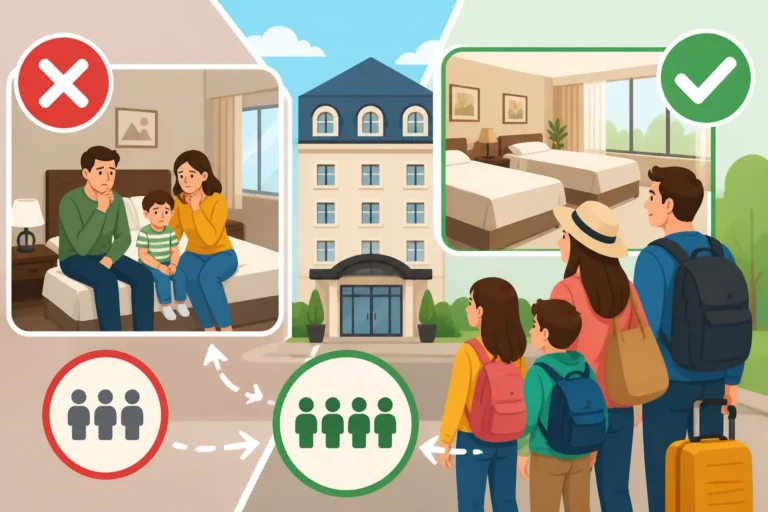
Because Usedom is quite popular with families, accommodation fills up fast. I recommend using Booking.com at least four to five months in advance if you are targeting the summer holidays (July and August). If you are an expat traveling on a residence permit, remember that crossing into the Polish side is seamless, but it is always wise to keep your passport on you, as Traveling in the Schengen Area with a German Residence Permit: Your Rights and Limits still applies even in these integrated border zones.
The Mainland: Warnemünde and Fischland-Darß-Zingst
If you don't want to deal with the logistics of crossing onto an island, the mainland coast offers gems like Warnemünde. As a district of Rostock, it is incredibly easy to reach by train. It features a massive, wide beach and a charming canal called "Alter Strom" lined with fishing boats selling fresh snacks.
For nature lovers, the peninsula of Fischland-Darß-Zingst is the ultimate escape. Much of it is part of the Western Pomerania Lagoon Area National Park. The "Weststrand" (West Beach) is regularly voted one of the most beautiful beaches in the world, characterized by "windflüchter"—trees that have been permanently bent by the coastal gales. It is raw, wild, and perfect for those who find the manicured promenades of Binz a bit too stiff.
Navigating Logistics: How to Reach the Baltic Shore
Getting to the coast can be a lesson in patience if you don't plan your route carefully. While the Autobahn 11 and 20 connect the north to the rest of the country, summer traffic jams (Stau) are legendary.
The Rail Experience and Regional Transit
For many of us living in cities like Berlin or Hamburg, the train is the most logical choice. From Berlin, the RE3 or RE5 regional trains can get you to the coast in about three hours. If you are using the Regional Trains and the Deutschland-Ticket Explained strategy, this is a very budget-friendly way to travel, though be prepared for crowded carriages on weekends.
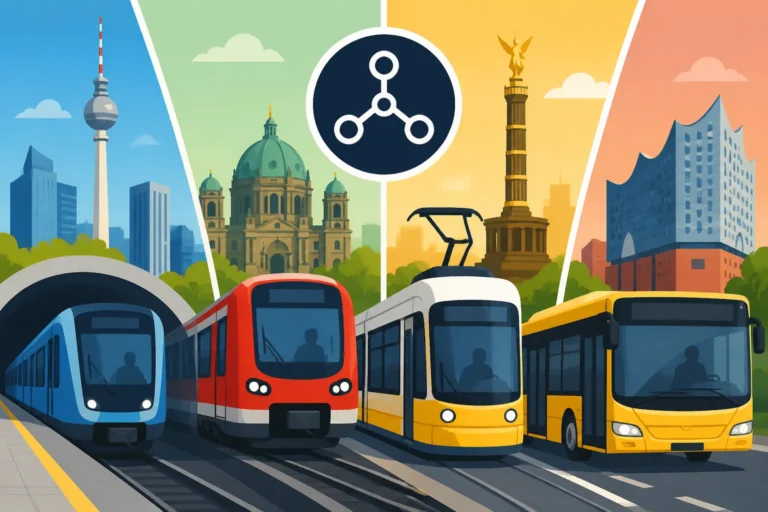
To compare your options between high-speed ICE trains, regional lines, and even long-distance buses like FlixBus, Omio is an essential tool. It allows you to see the trade-off between price and time. Sometimes, taking a bus to Stralsund (the gateway to Rügen) can be cheaper and more comfortable than a packed regional train during the "Ferien" season. Once you arrive at the main hubs like Stralsund or Greifswald, you will switch to local lines like the "Usedomer Bäderbahn" or the "Rasender Roland"—a historic steam train on Rügen that is a must-do for the views alone.
Driving and Car Rentals
If you plan on exploring the hidden corners of the Darß peninsula or the quiet backwaters of the Achterwasser on Usedom, having a car is a significant advantage. The public transport on the islands themselves can be sparse once you leave the main resort towns. If you are a newcomer, make sure you understand How to Rent a Car in Germany as a Foreigner before you hit the road. Be aware that parking in towns like Binz or Heringsdorf is notoriously difficult and expensive; many veterans choose to park at "Park & Ride" lots on the outskirts and take the local shuttle (often included in your spa card).
| Destination | Best For | Transport Hub | Signature Sight |
|---|---|---|---|
| Binz (Rügen) | Luxury & Architecture | Stralsund / Bergen | Seebrücke (Pier) |
| Ahlbeck (Usedom) | Families & History | Züssow / Wolgast | Historic 1890s Pier |
| Ahrenshoop | Artists & Nature | Ribnitz-Damgarten | Thatched-roof houses |
| Warnemünde | Day Trips & Surfing | Rostock | Teepott & Lighthouse |
| Sassnitz | Hiking | Stralsund / Sassnitz | Chalk Cliffs |
Essential Practicalities: The "Strandkorb" and the "Kurkarte"
Germany’s beach culture has two specific quirks that catch almost every expat off guard: the hooded beach chairs and the mandatory tourist tax.
Decoding the Strandkorb Etiquette
The Strandkorb is a quintessential German invention—a heavy, wicker-hooded chair designed to protect you from the relentless Baltic wind. You cannot just sit in one; you must rent it. Usually, there is a small wooden shack on the beach with a "Strandkorbvermietung" sign. Prices typically range from €12 to €15 per day. My advice? If you are staying for a week, rent one for the duration. It becomes your "base camp" where you can leave your towels and shoes while you go for a walk.
The Kurabgabe: Why You Must Pay to Breathe the Air
In almost every coastal town, you will encounter the "Kurabgabe" or "Kurtaxe". This is a daily tourist tax (usually €2 to €3) used to maintain the beaches, toilets, and promenades. When you check into your hotel or apartment (which you likely found on Booking.com), they will issue you a "Kurkarte". Carry this with you! Beach wardens do occasionally patrol the sand, and if you are caught without one, you will have to pay on the spot. The upside is that this card often grants you free use of local buses and discounts on museum entries.
The FKK Factor: A Realistic Warning
Don't be alarmed if you wander onto a beach and see everyone entirely naked. Germany has a long and proud tradition of "Freikörperkultur" (FKK) or Free Body Culture. Baltic beaches are strictly divided into "Textilstrand" (clothed) and "FKK-Strand" (nude). The signs are usually clear, but sometimes the boundaries blur. If you are uncomfortable with public nudity, keep a close eye on the signs as you walk along the dunes.
Culinary Coastal Classics: Beyond the Fish Roll
You cannot visit the Baltic without indulging in the local seafood. The "Fischbrötchen" (fish roll) is the unofficial currency of the coast. Whether it is Matjes (pickled herring), Bismarck (sour herring), or Backfisch (fried fish), eating one while sitting on a harbor wall is a rite of passage.
If you want to dive deeper into the food scene, check out German Regional Dishes Every Visitor Should Try to see how northern cuisine differs from the heavy meats of the south. In the north, you will find a lot of "Sanddorn" (sea buckthorn). This bright orange berry is known as the "lemon of the north" and is turned into everything from jams and liqueurs to soaps and teas. It is an acquired taste—tart and slightly medicinal—but extremely high in Vitamin C. For a sit-down meal, look for "Kutterfisch" signs, which indicate the fish was caught directly from a local boat. This is the gold standard for quality, often discussed in guides like Sausages and Street Food in Germany (Currywurst and More) when referencing regional specialties.
Managing the Baltic Weather: The "Schietwetter" Reality Check
The biggest risk to any Baltic trip is the weather. Even in July, you can have a week of "Schietwetter"—the local term for grey, drizzly, windy conditions.
What to Pack
The golden rule is layers. Even on a sunny day, the breeze off the water can be biting. A high-quality windbreaker is more important than a designer swimsuit. If you are planning on hiking the cliffs of Rügen, make sure you have broken in your boots, as the paths can be slippery.
Indoor Alternatives
When the rain hits, head to the Ozeaneum in Stralsund. It is one of the best maritime museums in Europe and a great way to spend four hours. You can often book skip-the-line tickets on GetYourGuide to avoid the massive queues that form the moment the first raindrop falls. Another great option is a visit to a "Therme" (thermal bath). Most major resorts have a heated seawater pool and sauna complex, which is the perfect antidote to a chilly Baltic afternoon. For more ideas on how to fill those rainy days, Day Trips and Weekend Getaways Across Germany provides excellent alternatives in the nearby Hanseatic cities.
If you are coming from abroad and need to ensure you have all your rail connections sorted without the stress of navigating the German-only machines at the station, remember that How to Buy Deutsche Bahn Tickets and Save Money is your best resource for securing the "Sparpreis" (savings) tickets early. Using Omio to finalize these bookings can save you a significant amount of money that is better spent on a few extra rounds of smoked eel and local pilsner.
Disclaimer
The information provided in this guide is for informational purposes only. While every effort has been made to ensure the accuracy of travel details, transport schedules, and local laws, conditions in Germany can change rapidly. Readers are encouraged to verify specific requirements, such as visa rules or seasonal closures, with official government or service provider websites before traveling. Always ensure you have appropriate travel insurance and valid identification.