When Do German Christmas Markets Open and Close?
Oh, the magic of the German Christmas markets! If you're anything like me when I first moved here, you've probably dreamt of strolling through those twinkling lights, sipping Glühwein, and soaking in the festive cheer. But then reality hits: when exactly do these enchanting markets actually open and close? It's not always a simple answer, and trying to figure out the precise dates for different cities can feel like navigating a festive bureaucratic maze. This guide is here to untangle all that for you, so you can plan your perfect winter wonderland visit without the usual expat headaches.
Disclosure: This post may contain affiliate links. We may earn a commission at no extra cost to you if you make a purchase through these links. Read full disclosure.
The Grand Opening: When the Festive Season Kicks Off
Generally speaking, most German Christmas markets, or Weihnachtsmärkte, begin right around the start of Advent. Advent, for those unfamiliar, is the four-week period leading up to Christmas Day. This means you can typically expect the markets to open their delightful stalls in the last week of November.
The Traditional Start: First Advent and Beyond
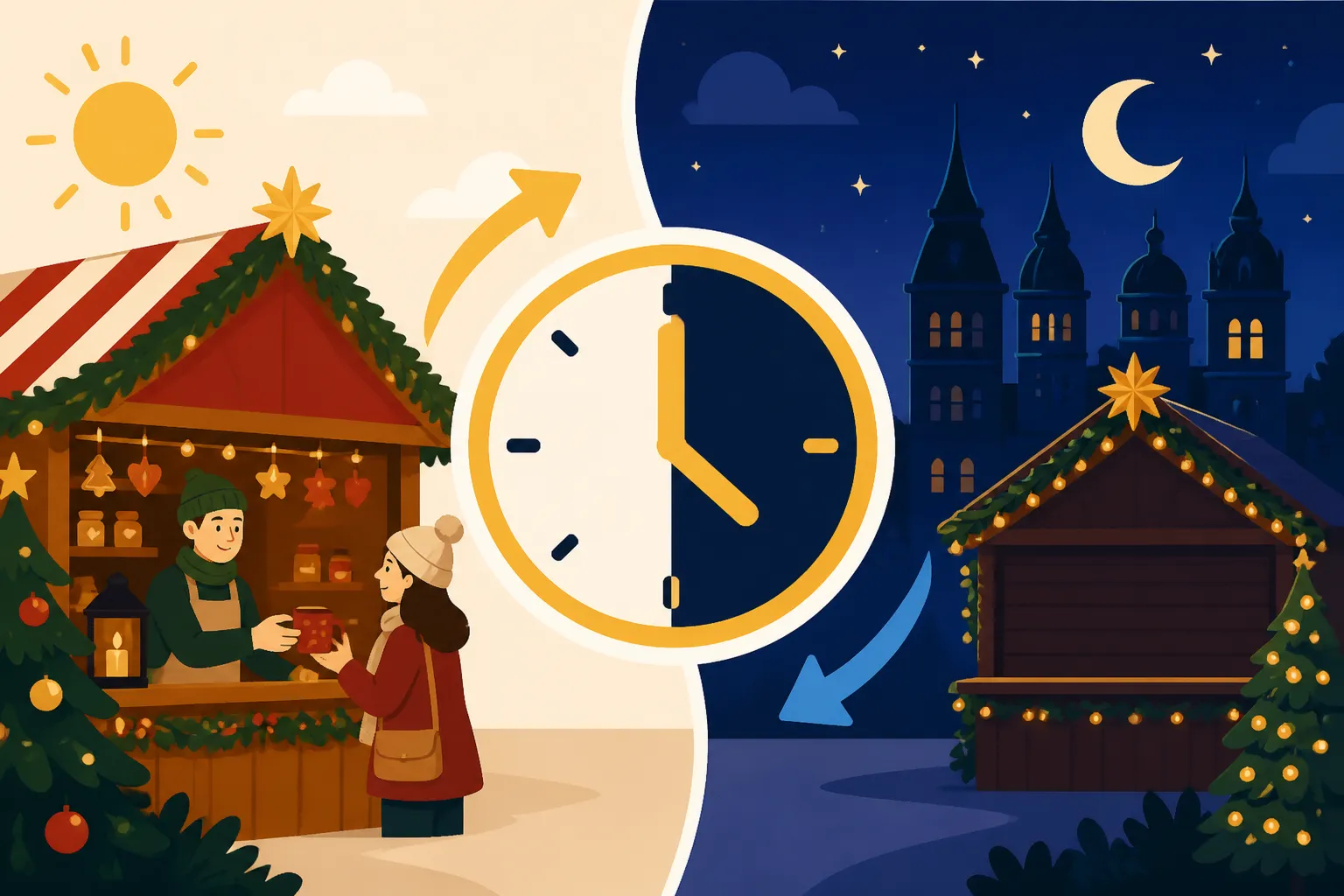
The vast majority of Christmas markets across Germany officially kick off on the Monday preceding the first Sunday of Advent. This is a beautiful tradition, marking the unofficial start of the festive season here. Picture it: one moment, the streets are just… streets. The next, boom! They're transformed into twinkling villages selling wooden crafts, spiced nuts, and steaming mugs of Glühwein. This timing ensures that everyone has ample opportunity to visit throughout the Advent season, making it a beloved annual event for families, friends, and even colleagues after work. It’s when the air truly begins to smell of cinnamon, roasted almonds, and pine, and the dreary November grey gives way to a vibrant, cozy glow.
Sometimes, a few bigger cities or particularly popular markets might jump the gun slightly, opening a few days earlier in the same week, especially if the first Advent Sunday falls late in November. It’s all about maximizing that holiday spirit, and let’s be honest, who’s complaining about an extra few days of market joy? You'll find that locals are just as excited, if not more, than tourists for this annual transformation. It’s a huge part of the cultural fabric here, bringing communities together to brave the cold for a taste of tradition.
Regional Variations and Specific Market Dates
While the "last week of November" is a solid rule of thumb, it's absolutely crucial to remember that exact opening dates can vary from city to city, and even from market to market within larger cities. Some smaller, more traditional markets might only operate on weekends, or have slightly different schedules due to local customs or public holidays.
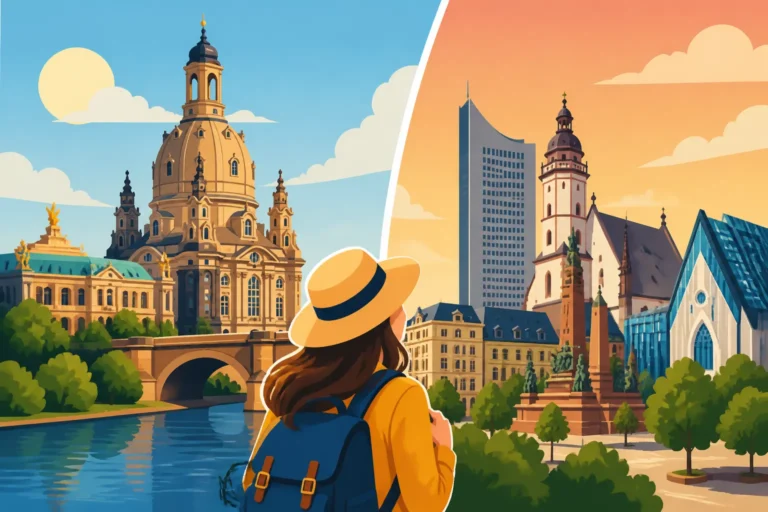
For instance, iconic markets like those in Nuremberg (the Christkindlesmarkt) or Dresden (the Striezelmarkt) often stick religiously to the Monday before the first Advent. However, a massive city like Berlin, which boasts dozens of distinct markets, might have some opening as early as November 20th or 22nd, while others adhere strictly to the traditional Advent start. Munich's main Christkindlmarkt at Marienplatz also typically follows the late November schedule. It’s a good idea to check the specific market you have your heart set on. Don't assume that if one market in a city is open, all of them will be! A quick search for " [City Name] Weihnachtsmarkt Datum " (Christmas market dates) usually yields reliable results. To help you plan, consider checking out some of the specific dates for various cities; knowing which ones are considered the Which German Cities Have the Best Christmas Markets? can give you a head start.
The Grand Finale: When the Lights Go Out
Just as there's a traditional start, there's also a traditional end, and this is where many first-time visitors sometimes get caught out. Most German Christmas markets are very much a pre-Christmas affair.
The Traditional End: Christmas Eve or Earlier
The vast majority of German Christmas markets close their stalls either on December 23rd or, more commonly, on December 24th (Christmas Eve). Yes, you read that right. While Christmas Day is when many of us are still deep in celebration mode, for Germans, Christmas Eve is the main event – and by then, the markets have usually wrapped up. The thinking is that by Christmas Eve, all your last-minute gift shopping should be done, and it's time to focus on family and the sacred holiday itself.
So, if your grand plan was to arrive in Germany on December 25th specifically to visit a Christmas market, you'll likely be met with closed stalls and the faint smell of lingering Glühwein spices, rather than the bustling market itself. It’s a common misconception, so consider yourself clued in! This pre-Christmas closure truly highlights the cultural significance of the markets as a way to prepare for Christmas, rather than being part of the Christmas Day celebrations themselves.
Exceptions: "Wintermärkte" and New Year's Extensions
However, as with most things in Germany, there are always exceptions to the rule. Some larger cities, or certain markets within them, will continue operating beyond Christmas Eve. These are often rebranded as "Wintermärkte" (winter markets) rather than "Weihnachtsmärkte" (Christmas markets) and might have a slightly different focus.
For example, some markets in Berlin, such as the famous Winter World on Potsdamer Platz or parts of the Gendarmenmarkt market (which sometimes requires an entrance fee), often extend into the first week of January, sometimes even longer. Hamburg also has a few markets that transition into "Winter Wonderland" themes, offering a continuation of the festive atmosphere into the New Year. Cologne, with its various markets, might also have a few stragglers that stay open. These extended markets tend to be a bit more about general winter festivities, ice skating, and food, rather than the traditional Christmas gift-buying rush. If you're keen to visit Germany between Christmas and New Year's, these extended markets are your best bet for catching some lingering holiday cheer. You'll find they often attract a slightly different crowd, perhaps those looking to stretch out their holiday enjoyment.
Planning Your Christmas Market Adventure
With the dates in mind, let's talk practicalities. Planning is key to enjoying these magical places without feeling overwhelmed.
How to Confirm Specific Market Dates
The absolute best way to confirm the exact opening and closing dates for a specific Christmas market is to check the official tourism website for that city. For example, if you're planning to visit the Cologne Cathedral Christmas Market, a quick search for " Kölner Weihnachtsmarkt am Dom " will lead you straight to the official source. These sites are usually updated well in advance, often by late summer or early autumn, with all the necessary details. Local city guides and regional tourism boards are also excellent resources.
Another useful tip is to look for articles from local newspapers or event calendars online. They tend to have very precise listings. Remember, these dates can shift slightly year by year due to how the calendar falls or other local events, so always double-check for the current season. If you're planning a trip around specific markets, remember that the whole experience is more than just the market itself – it's the journey, the food, and the overall holiday vibe. For more detailed planning, a guide on How to Plan a German Christmas Market Trip could be immensely helpful.
Navigating Crowds and Peak Hours
Let's be real: German Christmas markets are incredibly popular. That means crowds, especially on weekends, in the evenings, and particularly in the final two weeks before Christmas. If you're not a fan of being shoulder-to-shoulder with hundreds of other festive folk, here are a few tips:
- Go during the week: Weekday mornings or early afternoons are usually far less crowded. You'll have more space to browse stalls, enjoy your food, and actually see the craftsmanship.
- Avoid prime time: From about 4 PM onwards, especially Thursday to Saturday, markets tend to fill up with after-work crowds and weekend visitors.
- Hit smaller markets: While the big, famous markets are a must-see, don't overlook the charming, smaller neighbourhood markets. They often have a more intimate atmosphere and fewer crowds.
Understanding these patterns will significantly improve your experience. Trust me, trying to juggle a hot mug of Glühwein through a dense crowd is an acquired skill, and one you might prefer to avoid!
Essential Travel and Accommodation Tips
With millions flocking to Germany for the Christmas market season, planning your travel and accommodation well in advance is non-negotiable. Hotels fill up, and train tickets can become pricey, especially closer to the dates.
For getting around, Germany's train system is fantastic, but popular routes (e.g., Berlin to Nuremberg, Munich to Dresden) can get booked up. I often find myself using Omio to compare train, bus, and even flight options to find the best deals and times. It’s incredibly helpful for navigating complex itineraries across different cities, especially if you’re planning Christmas Market Day Trips and Itineraries in Germany.
When it comes to where to rest your head after a day of market magic, Booking.com is usually my go-to. You'll want to secure your accommodation months in advance, especially for popular cities like Cologne, Dresden, or Munich. Look for places close to public transport or within walking distance of the main markets if you plan to enjoy a lot of Glühwein! For a deeper dive into finding a place to stay, take a look at our guide on Accommodation in Germany: Hotels, Pensionen, and Hostels.
And if you're interested in a guided experience or looking for unique activities beyond just wandering, sites like GetYourGuide offer various tours specific to the Christmas markets or the festive season, which can sometimes give you a local’s perspective or access to special experiences.
The Magic of the Market: Beyond the Dates
Knowing when to go is just the first step. Understanding what makes these markets so special will make your visit even richer. They are more than just places to shop; they're a full sensory experience.
Glühwein, Food, and Festive Treats
One of the undeniable highlights is the food and drink. You absolutely cannot visit a German Christmas market without trying the Glühwein – mulled wine, usually red, but white and non-alcoholic versions (Kinderpunsch) are common too. Each market, and sometimes even each stall, will have its own unique recipe. Don't forget to pay the Pfand (deposit) for your mug, which you can either get back or keep as a souvenir! Beyond the wine, you’ll find an incredible array of treats. Think Bratwurst, potato pancakes (Reibekuchen), roasted almonds (gebrannte Mandeln), gingerbread (Lebkuchen), and so much more. Seriously, come hungry! Dive deeper into the culinary delights with our guide on What to Eat and Drink at a German Christmas Market.
Shopping for Gifts and Souvenirs
The stalls are brimming with traditional German crafts and unique gift ideas. You'll find handmade wooden ornaments, intricate nativity scenes, delicious edible gifts, and sometimes even unique clothing or jewellery. It’s the perfect place to pick up authentic souvenirs or special Christmas presents. Just be prepared that while some vendors accept card, many still prefer cash, especially for smaller purchases. For more on the shopping experience, check out Christmas Market Shopping: Crafts and Gifts.
The Atmosphere and Ambiance
Ultimately, the dates dictate the opportunity, but the atmosphere is what creates the memory. The markets are drenched in warm, inviting light, often with carols playing, creating a truly unique ambiance. It’s a place to slow down, connect with friends, and simply bask in the pre-Christmas glow. Whether it’s your first time or your tenth, the magic never really fades. Embracing the full festive period, as detailed in Christmas in Germany: Traditions, Markets, and Holiday Tips for Expats, will only deepen your appreciation.
Summary of Typical Christmas Market Timelines
To give you a clearer picture, here's a general overview of typical dates for some well-known markets. Please note these are typical ranges and exact dates should always be verified for the specific year you plan to visit.
| City / Market | Typical Opening Date | Typical Closing Date | Notes |
|---|---|---|---|
| Nuremberg Christkindlesmarkt | Monday before 1st Advent (late Nov) | December 24th | Closes at noon on Dec 24th; highly traditional. |
| Dresden Striezelmarkt | Monday before 1st Advent (late Nov) | December 24th | One of Germany's oldest markets. |
| Cologne Cathedral Market | Monday before 1st Advent (late Nov) | December 23rd or 24th | Various markets, some might extend slightly. |
| Berlin (various markets) | Late November (some mid-Nov) | Dec 24th to Jan 1st/7th | High variation; some are "Wintermärkte" extending into New Year. |
| Munich Christkindlmarkt | Monday before 1st Advent (late Nov) | December 24th | Main market at Marienplatz; smaller ones may vary. |
| Stuttgart Christmas Market | Late November | December 23rd | Large, traditional market. |
| Hamburg (various markets) | Late November | Dec 23rd to Dec 30th | Some markets on Rathausmarkt are traditional, others like Jungfernstieg might extend. |
Remember that most shops and services will be closed on Sundays, even during the Christmas market season, which also impacts the overall flow of your visit. This is part of What Closes on Sundays in Germany? and it's something to factor into your plans, especially if you're trying to combine market visits with other shopping or sightseeing. And while Germany is generally safe, it's always wise to be mindful of your belongings in crowded places, so keeping Staying Safe in Germany: Common-Sense Tips for Travelers in mind is a good idea. For those travelling between cities, learning How to Buy Deutsche Bahn Tickets and Save Money can also make your journey smoother, particularly when planning to How to Travel Between German Cities Without a Car.
The German Christmas markets are truly a highlight of the year, offering an unforgettable experience. Knowing when they open and close, and how to navigate the festive season, will ensure your trip is filled with joy, not confusion! Enjoy the magic!
Disclaimer
Please note that while we strive to provide accurate and up-to-date information, dates and regulations can change. It is always recommended to verify specific opening and closing times with official city tourism websites or market organizers closer to your planned visit. This guide is for informational purposes only and does not constitute official advice.