Moving to Germany from Russia and Central Asia: Route Realities
Moving your entire life from Russia or Central Asia to Germany is often less about just packing boxes and more about navigating a labyrinth of paperwork, cultural shifts, and logistical hurdles that can feel overwhelming. It’s a journey many undertake with high hopes but often underestimated complexities. This guide aims to shed light on the unique realities of this relocation, offering practical, empathetic advice to help you manage the process, from visa applications to finding the right moving solution like Sirelo, and ultimately, settling into your new German home.
Disclosure: This post may contain affiliate links. We may earn a commission at no extra cost to you if you make a purchase through these links. Read full disclosure.
Navigating the Visa and Immigration Landscape from the East
One of the first and most formidable walls you'll encounter when planning your move to Germany from Russia or Central Asia is the visa and immigration system. Unlike EU citizens, those coming from countries like Russia, Kazakhstan, or Uzbekistan face a more rigorous and often lengthy process. It's not just about filling out a form; it's about providing an airtight case for your stay.
Understanding German Visa Categories for Non-EU Nationals
Germany offers a variety of visa types, each with its own strict set of requirements tailored to your purpose of stay. It’s crucial to identify the correct visa from the outset, as applying for the wrong one can lead to significant delays or outright rejection. For many from Russia and Central Asia, the primary routes include work visas, student visas, or family reunification visas.
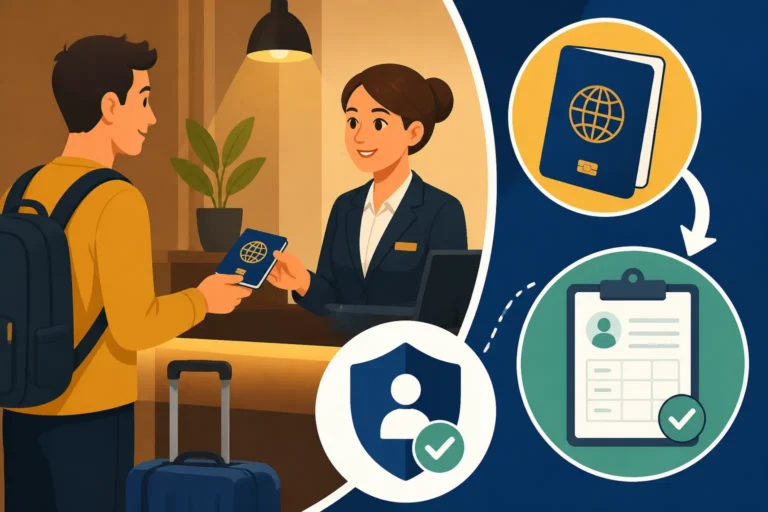
For professionals, the Germany Work Visa & Immigration Guide for Professionals is an indispensable resource. This often involves having a job offer from a German employer that meets specific salary thresholds, especially for the coveted EU Blue Card Germany. You'll need to demonstrate recognized qualifications (sometimes requiring official recognition via platforms like Anabin), prove sufficient funds, and secure health insurance. The bureaucracy here can be a real test of patience. Expect multiple visits to the German embassy or consulate in your home country, and be prepared for meticulous document checks. Every single piece of paper, from your birth certificate to your university diploma, might need to be translated by a sworn translator and apostilled.
Students face their own set of challenges. The Studying in Germany: Visa & Immigration Guide for Students details the need for acceptance into a German university, proof of financial means (often through a blocked account like a Sperrkonto), and adequate health insurance. The application process for these visas can be notoriously long, so starting early is not just advised, it's absolutely essential. Many find themselves waiting months for appointments and processing.
For those looking to join family already in Germany, the Family Reunification in Germany: Ultimate Guide for Bringing Your Loved Ones outlines specific criteria. This path often requires proof of German language proficiency (even for spouses), sufficient living space, and financial stability of the sponsoring family member in Germany. The A1 German language requirement for spouse visas, for example, can be a significant hurdle for many.
Dealing with German Bureaucracy: A Test of Patience
The German bureaucracy, or Bürokratie, is legendary. It’s a system built on rules, order, and precision, which can be a stark contrast to administrative processes in some Central Asian countries or Russia. Every appointment, every document, every signature matters. You'll quickly learn that "maybe" isn't a valid answer, and "could you just…" usually isn't an option.
The key here is preparation. Gather all required documents, make multiple copies, and organize them meticulously. When attending appointments at the Ausländerbehörde (Foreigners' Office) or the Bürgeramt for your Anmeldung Address Registration Step-by-Step Guide, punctuality is non-negotiable, and a friendly, respectful demeanor goes a long way. While many officials are professional, don't expect warmth or flexibility. They are there to apply the rules. Learning even basic German phrases can significantly ease interactions, as not all officials will speak English fluently, especially outside major cities. This intense focus on procedure can be frustrating, but it's the German way. Embrace it, prepare for it, and understand that persistence pays off. For a broader overview of requirements, refer to the Moving to Germany Comprehensive Visa & Immigration Guide.
The Actual Move: Logistics from Russia & Central Asia
Once your visa is secured, the practical reality of moving your entire household across thousands of kilometers, often through multiple borders, truly begins. This isn’t a simple cross-country hop; it’s an intricate international relocation that demands careful planning and execution. This is where a reliable moving partner becomes your hero.
Choosing Your Relocation Method: Air, Sea, or Land
When moving from Russia or Central Asia, you primarily have three options for transporting your belongings: air freight, sea freight, or road transport. Each comes with its own set of trade-offs regarding cost, speed, and logistics.
- Air Freight: This is the fastest option, ideal for urgent or high-value items, or a smaller number of boxes. However, it's also the most expensive. Given the long distances involved from places like Uzbekistan or even far-eastern Russia, air freight costs can quickly skyrocket. It might be suitable for essential items you need immediately upon arrival.
- Sea Freight: For larger volumes of goods, sea freight is generally the most cost-effective. Your belongings will be packed into a container (either shared or exclusive) and shipped by sea. The downside? It's significantly slower, often taking several weeks, if not months, to reach Germany. From landlocked Central Asian countries, this would involve initial road transport to a major port, adding to complexity and transit time.
- Road Transport: This is often a popular choice for moves from Western Russia and some parts of Central Asia due to its flexibility. Goods are loaded onto trucks and driven directly to your new home. It offers a good balance between cost and speed for certain routes, and you typically have more control over transit times compared to sea freight. However, geopolitical factors and border crossing complexities can introduce unpredictable delays and costs, making it crucial to work with experienced international movers.
Considering these complexities, finding a trustworthy international moving company is non-negotiable. This is precisely where platforms like Sirelo come into play. Instead of spending countless hours researching and contacting individual movers, Sirelo allows you to compare multiple quotes from vetted international moving companies. It simplifies the process of finding movers who specialize in routes from Russia and Central Asia to Germany, ensuring they understand the specific customs regulations and logistical challenges.
Navigating Customs Regulations and Duties
German customs regulations can be a minefield if you're not prepared. As a non-EU citizen moving your primary residence, you can usually import your personal effects duty-free, but strict conditions apply. Your belongings must have been in your possession and used for at least six months in your previous country of residence, and you must intend to use them in Germany for at least 12 months.
You'll need a detailed packing list (inventory) of all items, your residence permit for Germany, and proof of deregistration from your previous country. Mislabeling items or failing to declare everything correctly can lead to significant delays, fines, or even confiscation. It's not uncommon for customs officials to be very thorough. For those moving from regions with specific import/export restrictions or items of cultural significance, additional paperwork might be required. A professional moving company sourced through Sirelo will guide you through this, helping you compile the necessary documentation and navigate potential pitfalls. They know the ins and outs of declarations and what to expect at the German border or port of entry.
It's wise to consider whether it's truly worth shipping everything. Sometimes, the cost of shipping bulky or low-value items outweighs their replacement cost in Germany. For example, some expats choose to sell old furniture and purchase new items upon arrival, especially since many apartments in Germany come unfurnished. This helps keep moving costs down, which you can easily compare using Sirelo's quotes.
Financial Planning and Cost Realities of the Move
Moving to Germany, especially from a distant region, involves a significant financial outlay. Beyond the obvious moving costs, you need to budget for visa applications, initial living expenses, and setting up your new home. Understanding these costs upfront is vital to avoid nasty surprises.
Estimating Moving and Relocation Expenses
The cost of moving your belongings from Russia or Central Asia to Germany can vary wildly. Factors like the volume of goods, chosen transport method (air vs. sea vs. road), insurance, packing services, and the specific origin city all play a role. For instance, moving a 3-bedroom apartment might cost anywhere from €3,000 to €10,000 or even more, depending on the factors mentioned.
Here’s a general breakdown of potential costs:
| Cost Category | Description | Estimated Range (EUR) – Highly Variable! |
|---|---|---|
| Visa Application | Fees for visa processing, translations, apostilles, biometric appointments | €100 – €500 per person |
| Blocked Account | Required for student visas, usually approx. €11,208 for one year of living | Fully refundable, but funds must be accessible |
| Moving Company | International shipping of household goods (sea/road freight) | €2,000 – €10,000+ (depending on volume/distance) |
| Air Freight (small) | Express shipment for essential items | €500 – €2,000+ |
| Customs Brokerage | Services to clear your goods through German customs | Often included in mover's quote, sometimes extra |
| Travel to Germany | Flight tickets for you and your family | €200 – €1,000+ per person |
| Temporary Stay | Hotel/Airbnb for first few weeks while searching for permanent housing | €50 – €150 per night |
| Security Deposit | Typically 2-3 months' Kaltmiete (cold rent) for an apartment | €1,000 – €4,500+ |
| First Month's Rent | First month's payment for your new apartment | €500 – €1,500+ |
| Initial Furnishings | Buying essential furniture, kitchen items (if apartment unfurnished) | €500 – €5,000+ (highly variable) |
| Health Insurance | First premium for German health insurance | €80 – €500+ per month (depends on type) |
| Other Setup Fees | Internet, mobile, public transport tickets, food | €300 – €1,000+ |
Using a comparison platform like Sirelo can be incredibly helpful here. You can submit your moving details once and receive multiple quotes, allowing you to compare prices and services transparently. This helps you get a realistic picture of your moving budget and potentially save a considerable amount. Remember, the cheapest option isn't always the best; look for movers with good reviews and a strong track record for your specific route.
Initial Costs and Setting Up in Germany
Beyond the direct moving costs, you'll need a substantial budget for your first few months in Germany. This includes:
- Housing Deposits & Rent: As mentioned, security deposits (Kaution) for rentals are typically two to three months of the cold rent (Kaltmiete). This is a significant upfront cost. Plus, you’ll pay your first month's rent. For a detailed guide, see Housing in Germany Renting Buying and Finding Your Home as an Expat.
- Health Insurance: This is mandatory in Germany. You need to budget for your first few premiums, whether you opt for public or private insurance. The exact cost depends on your income, age, and health status. You can find more information in our Health Insurance in Germany Understanding Public vs Private Coverage guide.
- Utilities and Internet: Setting up electricity, gas, water, and internet will incur initial connection fees and monthly charges. Be prepared for a learning curve with German providers.
- Food and Daily Expenses: While grocery prices in Germany can be reasonable, eating out is pricier. Factor in daily living costs, especially during the initial phase when you might rely more on convenience options.
- Transportation: Getting around your new city via public transport, or potentially buying a car, will also require funds.
It’s advisable to have at least three to six months' worth of living expenses saved up in liquid funds, separate from your moving budget and housing deposit. This financial cushion will alleviate a lot of stress during your initial adjustment period. Setting up a local bank account quickly is essential for managing these funds. You can learn more about this in Opening a Bank Account in Germany Step-by-Step for Newcomers.
Beyond Logistics: Settling into German Life
The journey doesn't end when your last box is unpacked. The real adventure—integrating into German society and making Germany your new home—begins. This process involves cultural adaptation, language acquisition, and building a new social network.
Cultural Adaptation and Integration
Moving from Russia or Central Asia to Germany often means encountering significant cultural differences. Germans are generally known for their directness, punctuality, and adherence to rules. While this can sometimes feel abrupt, it’s usually not meant personally. Public spaces are often quieter, and personal space is highly valued. Sundays are sacred in Germany, with most shops closed, which can be a real shock for newcomers accustomed to 24/7 retail.
- Punctuality: Being on time for appointments, whether with friends or officials, is expected and highly valued. "On time" means on time, not five minutes late.
- Directness: Germans tend to be direct in their communication. This can be misinterpreted as rudeness by those from cultures that prefer more indirect or nuanced communication. Try to see it as efficiency and honesty, not hostility.
- Rules and Order: From recycling your trash meticulously (German Recycling System Explained How to Sort Trash and Recycle Properly) to observing quiet hours (Ruhezeit) in your apartment building, rules are there to be followed. Embracing this sense of order can make your life much smoother.
- Socializing: Making close German friends can sometimes take time. Initial interactions might be more formal, but once you break through, German friendships are often deep and loyal. Joining local clubs, sports groups, or language classes can be a great way to meet people.
An empathetic approach here is key. It's okay to feel overwhelmed or even frustrated by these differences. Many expats experience culture shock. Give yourself time and be open to new ways of doing things. Try to learn about German Culture Etiquette A Guide to Social Life and Customs proactively.
Language Acquisition: Your Gateway to German Life
While you might find English speakers in major German cities, especially in international companies or tourist areas, learning German is arguably the single most important step you can take for successful integration. It unlocks opportunities, simplifies daily life, and helps you connect with locals on a deeper level.
Imagine trying to navigate a medical appointment, understand your utility bill, or even just order bread at the local bakery without knowing the language. It's tough! German proficiency opens doors to better job opportunities, a smoother experience with bureaucracy, and a richer social life. Many Germans, even if they speak English, appreciate the effort when you try to speak their language.
There are numerous resources for learning German. Consider enrolling in intensive language courses at a Volkshochschule (community adult education center) or private language schools. Online resources and language exchange partners are also excellent supplements. Aim for at least a B1 level for daily life and B2/C1 for professional environments. Even if your job is in English, being able to speak German will dramatically improve your quality of life. Check out Learning German Top Language Schools and Resources for Expats for more guidance.
Building a new network takes effort, but it's incredibly rewarding. Look for expat groups in your city, join hobbies you enjoy, or attend local events. Many platforms exist to connect newcomers. Remember, everyone starts somewhere, and the German expat community is often very welcoming to those navigating similar challenges.
Navigating a move to Germany from Russia or Central Asia is a complex endeavor, but with thorough preparation and the right support, it is absolutely achievable. From the initial visa maze to the practicalities of shipping your life and the nuances of cultural adaptation, understanding these "route realities" will empower you. And when it comes to the logistical heavy lifting, don't underestimate the value of a trusted partner like Sirelo to simplify the moving process and connect you with reputable international movers who understand your unique journey.
Disclaimer
Please note that the information provided in this guide is for general informational purposes only and does not constitute legal, financial, or immigration advice. Visa regulations, moving costs, and other administrative procedures in Germany can change frequently. We strongly recommend consulting official government sources, professional immigration lawyers, and licensed financial advisors for personalized advice regarding your specific situation. Always verify current requirements with the relevant German authorities (e.g., German Embassy, Ausländerbehörde) before making any decisions.