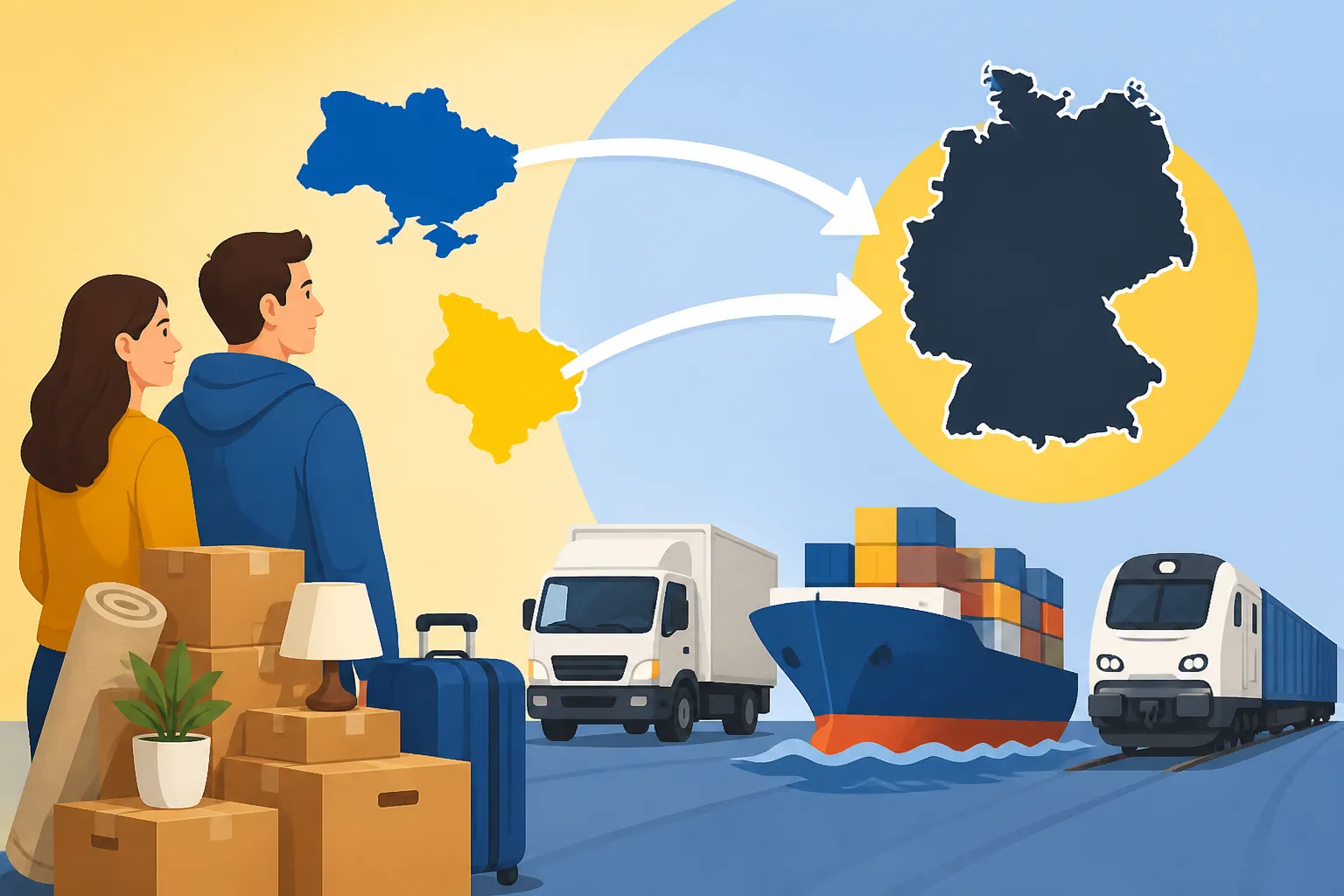
Moving to Germany from Ukraine and Moldova: Practical Freight Options
Moving your entire life from Ukraine or Moldova to Germany, especially under duress or uncertain circumstances, is an emotionally and logistically draining experience. It’s not just about packing boxes; it's about uprooting everything familiar and facing a mountain of paperwork and practical challenges. This guide is here to walk you through the practical freight options, offering realistic advice and insights into making your move as smooth as possible, focusing on getting your belongings safely to your new German home.
Disclosure: This post may contain affiliate links. We may earn a commission at no extra cost to you if you make a purchase through these links. Read full disclosure.
The Unique Challenges of Moving from Ukraine and Moldova to Germany
First, let’s acknowledge the elephant in the room. For many relocating from Ukraine, the move to Germany isn't a planned adventure but a necessity, often driven by unimaginable circumstances. This adds layers of stress and complexity that a typical expat move doesn't have. For those from Moldova, while often more planned, the logistical hurdles of cross-border transport and the transition to German bureaucracy are still significant.
It's not just about the distance; it’s about navigating different legal systems, customs regulations, and finding reliable services in a time of vulnerability. You’re not just moving possessions; you’re trying to create a semblance of home and stability in a new land. This journey is tough, and it's okay to feel overwhelmed. My goal here is to break down one major piece of that puzzle: getting your physical belongings from A to B.
Understanding the Emotional and Logistical Burden
The emotional weight of leaving your home country, friends, and sometimes family behind is immense. This emotional burden often compounds the practical difficulties of international relocation. You might be making decisions under pressure, with limited time or resources. The logistical side can feel like a secondary concern, but it's crucial for rebuilding your life. Ensuring your cherished items arrive safely can offer a huge sense of relief and comfort in your new surroundings.
Specific Considerations for the Region
The geographical proximity of Ukraine and Moldova to Germany, while a potential advantage for overland transport, also brings its own set of complexities. Border crossings can be unpredictable, especially from conflict zones, and the availability of certain services might be strained. It's not like moving from, say, Canada to Germany where everything is predictable and standardized. You need partners who understand these nuances. This is where a platform like Sirelo becomes invaluable, as they connect you with movers who have experience with these routes and the specific challenges involved. They help simplify the search for a reliable moving company by providing quotes from multiple, vetted providers.
Understanding Your Freight Options for Germany
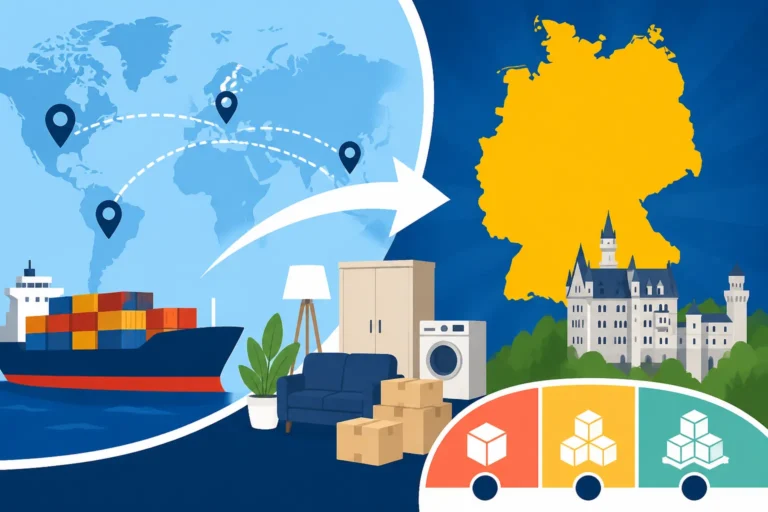
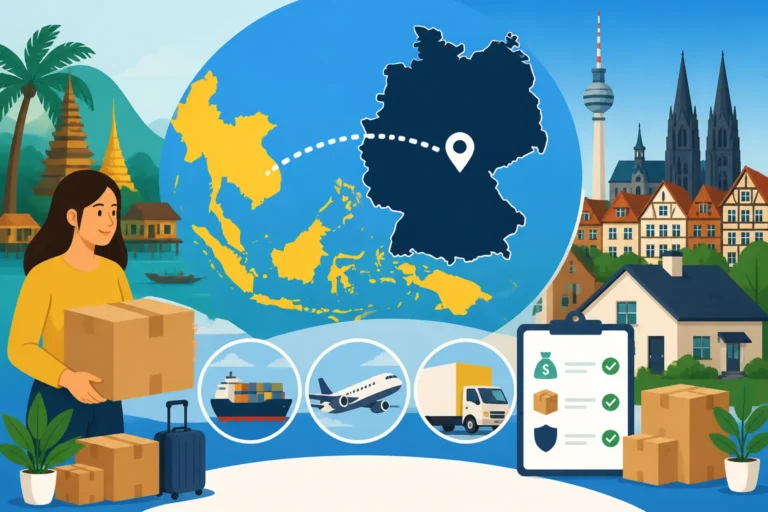
When it comes to moving your belongings from Ukraine or Moldova to Germany, you generally have a few main freight options. Each comes with its own set of pros, cons, and ideal scenarios. Choosing the right one depends heavily on the volume of your items, your budget, time constraints, and how much hands-on involvement you want.
Full Container Load FCL
This is probably what most people imagine when they think of international shipping: a big, metal container. With a Full Container Load (FCL), you essentially rent an entire shipping container, typically 20-foot or 40-foot. Your belongings are the only ones inside.
- Pros:
- Exclusivity and Security: Your items are sealed in their own container, minimizing the risk of damage or loss from mingling with other shipments.
- Faster Transit (Sometimes): Since there's no need to consolidate goods from multiple customers, transit times can sometimes be quicker, especially for direct routes.
- Ideal for Large Households: If you're moving an entire house full of furniture, appliances, and personal effects, an FCL is often the most cost-effective per cubic meter.
- Cons:
- Cost: It's the most expensive option because you're paying for the entire container, even if you don't fill it completely.
- Logistics: You need sufficient space for the container to be loaded at your origin and unloaded at your destination, which might not always be feasible in urban or restricted areas.
If you’re moving a substantial amount of goods, perhaps a full family home, an FCL might be worth the investment. Sirelo can help you get competitive quotes for FCL services, ensuring you find movers who specialize in routes from Ukraine and Moldova to Germany.
Less than Container Load LCL or Groupage
For most individuals and families, a Less than Container Load (LCL) or "groupage" shipment is a more practical and budget-friendly choice. This means your belongings share space in a container with other people's shipments going to the same general destination.
- Pros:
- Cost-Effective: You only pay for the space your items occupy, making it significantly cheaper for smaller moves.
- Flexibility: It's suitable for anything from a few boxes to the contents of a small apartment.
- Accessibility: Easier to arrange, as you don't need to worry about container placement at your home.
- Cons:
- Slower Transit Times: Because the freight forwarder needs to consolidate enough shipments to fill a container, and then de-consolidate them at the destination, the overall transit time is usually longer.
- More Handling: Your items will be handled more often during loading and unloading, increasing the slight risk of damage.
- Potential Delays: If other shipments in your container face customs issues, it could delay your entire consignment.
LCL is an excellent option for those who aren't moving an entire household but still have too much for personal transport. Many reputable moving companies offer LCL services, and using a platform like Sirelo helps you compare these options efficiently.
Road Freight
Given the geographical proximity, road freight is a very common and often preferred method for moves from Ukraine and Moldova to Germany. This can involve dedicated vans, trucks, or shared loads similar to LCL but exclusively overland.
- Pros:
- Door-to-Door Service: Road freight offers true door-to-door convenience, picking up directly from your old home and delivering to your new one.
- Faster Than Sea Freight: Generally quicker than sea-based container shipping, especially for shorter distances.
- Flexibility: Can often accommodate irregular-sized items more easily than containers.
- Reduced Handling: Fewer transfer points mean less handling of your goods, often leading to less damage.
- Cons:
- Cost for Dedicated Transport: A dedicated truck or van for a small load can be quite expensive.
- Border Delays: Overland transport is subject to potential delays at border crossings due to customs checks, paperwork, or geopolitical situations.
- Limited Capacity: For very large moves, multiple trucks might be needed, which can become costly.
Road freight is a strong contender for these moves, particularly if you're looking for a balance of speed and cost for a moderate amount of belongings. Finding a reliable road freight provider that understands the specifics of the route from your region is crucial. This is precisely where Sirelo excels, connecting you with movers who are active on these specific routes and can offer tailored solutions for road freight.
| Freight Option | Best For | Cost (Relative) | Speed (Relative) | Security (Relative) |
|---|---|---|---|---|
| Full Container Load (FCL) | Large households, high volume of goods | High | Moderate to Fast | Very High |
| Less than Container Load (LCL) | Small to medium households, fewer items | Moderate | Slow | Moderate |
| Road Freight (Dedicated) | Medium to large loads, door-to-door | Moderate to High | Fast | High |
| Road Freight (Shared/Groupage) | Small to medium loads, budget-conscious, flexible | Low to Moderate | Moderate | Moderate |
When evaluating these options, remember that your personal situation is unique. Perhaps you're prioritizing speed over cost, or vice versa. A service like Sirelo can present you with diverse quotes allowing you to weigh these factors against different service providers.
Navigating Logistics and Paperwork for Your Move
This is often where the real headaches begin for expats. The bureaucracy, the permits, the customs declarations – it's enough to make you want to throw your hands up in exasperation. But trust me, a little preparation goes a long way. Moving to Germany requires meticulous attention to detail, especially regarding what you're bringing into the country.
Customs and Import Regulations
Germany, as part of the European Union, has specific customs regulations. If you're moving from a non-EU country like Ukraine or Moldova, your personal belongings generally qualify for duty-free import, provided they have been in your possession and used for at least six months prior to your move. You also need to have been living outside the EU for at least 12 months. This is crucial for avoiding hefty taxes on your items.
You’ll typically need to declare your goods using a detailed inventory list. This isn't just a scribble on a napkin; it needs to be comprehensive and accurate. Any new items, or items not for personal use, may be subject to duties and taxes. Alcohol, tobacco, and certain restricted goods have their own special rules, so check these carefully. Working with a moving company that has experience in these international moves, especially those familiar with customs procedures from Ukraine and Moldova, will save you immense stress. They can guide you through the German customs form requirements (like form 0350 for duty-free import of removal goods) and ensure all necessary documentation is in order.
For a deeper dive into the administrative side of moving, you might want to check out our guide on Moving to Germany: Comprehensive Visa & Immigration Guide.
Required Documentation for Your Freight
Beyond customs declarations, you'll need a range of documents to accompany your shipment. This often includes:
- Passport and Visa/Residence Permit: Proof of your identity and legal right to reside in Germany. For Ukrainian refugees, this would be your temporary protection status or relevant visa.
- Proof of Residency in Germany (Anmeldung): Your address registration document (Meldebescheinigung) is vital as it proves you are indeed relocating to Germany. It's one of the very first things you need to do upon arrival. Learn more about Registering Your Address (Anmeldung): Step-by-Step Guide.
- Detailed Packing List/Inventory: A comprehensive list of every item being shipped, preferably in both English and German, with estimated values. This helps customs officers and also acts as a record for your insurance.
- Proof of Ownership/Use: Evidence that you've owned and used the items for at least six months (e.g., old receipts, purchase dates).
- Moving Contract: The agreement with your chosen freight or moving company.
- Insurance Policy: Details of your moving insurance, which is highly recommended.
Make multiple copies of everything and keep digital backups. Seriously. German bureaucracy loves paper, and you’ll thank yourself later. Ensure your chosen moving partner, which you can find through platforms like Sirelo, is transparent about all required documents well in advance of your move.
Choosing a Reliable Moving Partner
This is perhaps the most critical logistical decision you'll make. You need a company that not only handles the physical transport but also understands the intricacies of international moves, including customs from Ukraine/Moldova to Germany. Look for:
- Experience: Do they have a track record of moves on this specific route?
- Insurance: What coverage do they offer? Standard liability often isn't enough; consider getting additional "all-risk" coverage.
- Clear Communication: Can they explain the process clearly in a language you understand? Are they responsive to your questions?
- Transparency: Are all costs laid out upfront, or are there hidden fees?
- Reputation: Check reviews and ask for references.
This is where a service like Sirelo truly shines. They act as a broker, allowing you to compare quotes from multiple pre-screened international moving companies, making it much easier to find a reputable partner for your specific needs. They simplify the process of comparing services, saving you time and stress during an already difficult period.
Cost Considerations and How to Get the Best Value
Let’s be honest, moving is expensive, and an international move from Ukraine or Moldova to Germany can feel like a bottomless pit of expenses. Understanding the cost structure and knowing how to get the best value is crucial for managing your budget, especially when financial resources might be strained.
Factors Influencing Freight Costs
Several key factors will determine the final price of your freight:
- Volume/Weight of Goods: This is typically the biggest driver. More stuff equals more space, which equals higher cost. Freight is usually calculated by cubic meter (volume) or weight, depending on what's greater.
- Distance and Route: The journey from Ukraine or Moldova to Germany, while overland, still varies in distance depending on your exact origin and destination. Specific routes might involve different border fees or transport challenges that affect pricing.
- Type of Service (FCL, LCL, Road Freight): As discussed, choosing a full container is more expensive than sharing space. Dedicated road transport is pricier than shared groupage.
- Additional Services: Do you need packing services? Disassembly and reassembly of furniture? Storage at either end? Insurance? All these add to the final bill.
- Customs and Duties: While personal effects are often duty-free, any new items or restricted goods will incur charges. Your moving company should be able to advise on these, but they are typically your responsibility.
- Time of Year: Peak moving seasons (e.g., summer months, end of year) can see higher prices due to demand.
Understanding these variables helps you tailor your move to your budget. Do you really need to bring that old armchair, or would it be cheaper to buy a new one in Germany? Consider the Cost of Living in Germany: Budgeting Guide for Expats to help you make these decisions.
Tips for Reducing Moving Costs
While some costs are unavoidable, there are ways to keep your expenses in check:
- Declutter Ruthlessly: This is the golden rule of moving. Go through everything. If you haven't used it in a year, or if it's cheaper to replace than ship, let it go. Sell, donate, or discard. Less volume directly translates to lower freight costs. Think about items that are heavy but low in value – these are often candidates for getting rid of.
- DIY Packing (Carefully): If you have the time and the right materials, packing yourself can save on labor costs. However, ensure you pack professionally to protect your items and for insurance validity. Use sturdy boxes, proper wrapping, and clear labeling.
- Compare Multiple Quotes: Never go with the first quote you get. This is absolutely critical. Different companies have different pricing structures, routes, and specialties. Using a platform like Sirelo allows you to easily obtain and compare quotes from several trusted international movers, ensuring you get the best deal for your specific needs. It's a fantastic tool to leverage competition among movers.
- Be Flexible with Dates: If your schedule allows, try to move during off-peak seasons or be flexible with your pick-up/delivery dates. This can sometimes lead to better rates.
- Understand Incoterms and Insurance: Make sure you understand what costs are included in your quote (e.g., port-to-port, door-to-door). Also, thoroughly review your insurance options. While insurance is an added cost, it's a vital one that protects you from significant financial loss if something goes wrong.
When you're comparing quotes through Sirelo, pay close attention to what each quote includes. Does it cover customs clearance assistance? Is packaging included? Is the entire journey from your old address to your new apartment covered? Ask all these questions upfront. For financial planning, it might also be helpful to look at our guide on Money Matters in Germany: Complete Financial Guide for Expats.
Remember, moving is more than just transport. It’s about settling into a new life. Once your belongings arrive, you'll need to think about Finding an Apartment in Germany: Best Websites and Tips for Expats, getting your Internet and Mobile Phone Plans in Germany: Getting Connected Fast, and navigating Utilities Setup: How to Get Electricity, Gas, and Water in Your New Home. The journey is long, but with careful planning and the right partners, it is entirely manageable.
Disclaimer
This article is for general informational purposes only and does not constitute professional advice. Laws, prices and regulations vary by location and change over time. Consult a qualified professional for guidance on your specific situation.