Choosing a Bank in Germany: Sparkasse, N26, and Online Banks
Opening a bank account in Germany is often the first "chicken-and-egg" problem you'll face: you need a bank account to pay rent, but you often need a rental contract and address registration to open an account. I remember the sheer panic of sitting in a sterile branch office, trying to explain in broken German that I just needed a place to put my salary so I could actually pay my landlord. This guide helps you navigate the confusing landscape of traditional institutions like Sparkasse and modern neobanks like N26 to find your perfect financial fit.
Disclosure: This post may contain affiliate links. We may earn a commission at no extra cost to you if you make a purchase through these links. Read full disclosure.
The German Banking Landscape: Tradition Meets Innovation
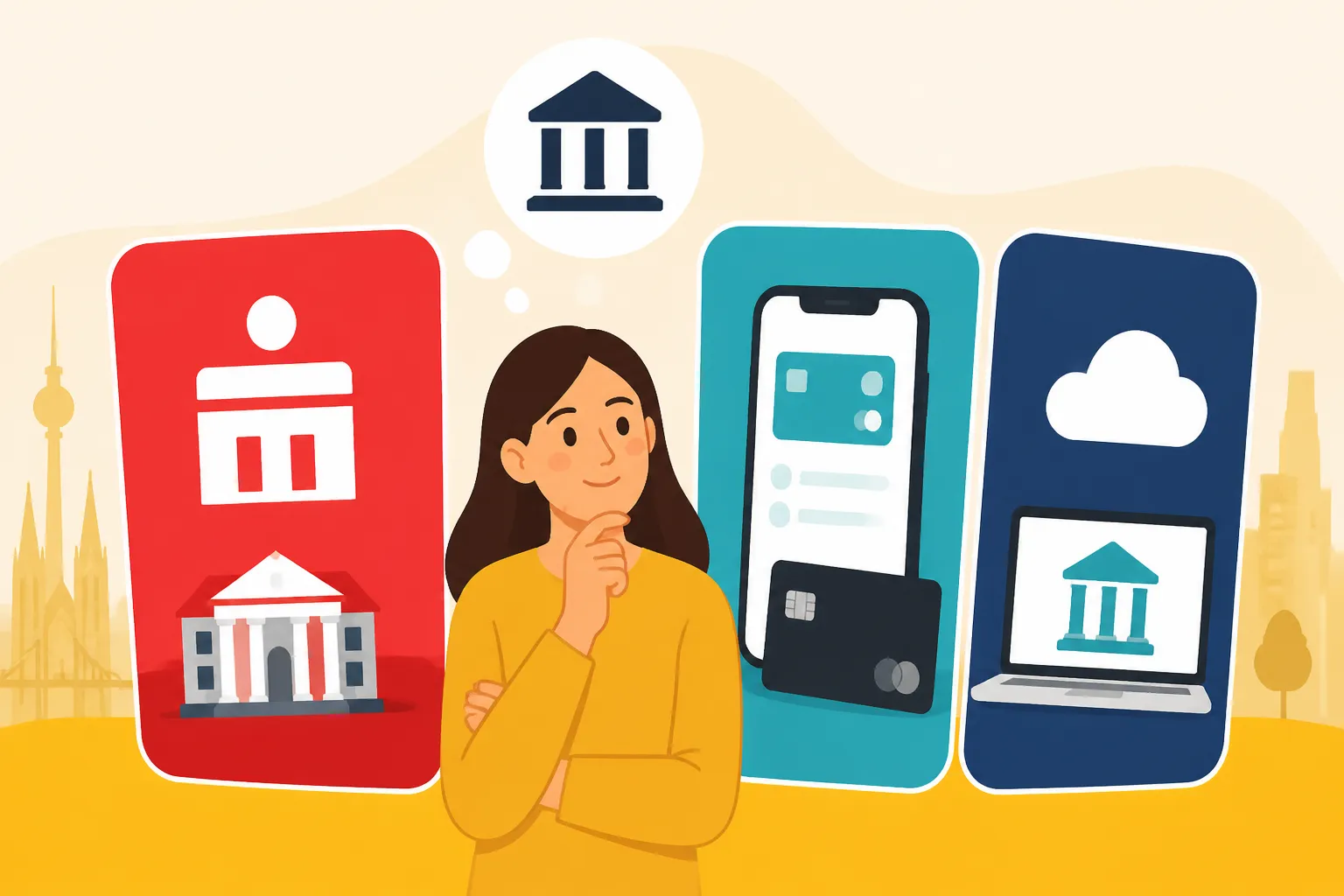
When you first arrive in Germany, the banking system can feel like a relic of a bygone era or a glimpse into the future, with very little middle ground. Unlike many other countries where a few national brands dominate the entire market, Germany operates on a unique "three-pillar" system. This structure is the reason why you see so many different bank logos on every street corner, yet find that your local branch might not be able to help you if you travel just two cities over.
The Three-Pillar System: Sparkasse, VR, and Private Banks
The first pillar consists of the Sparkassen (savings banks). These are public-sector institutions that are strictly regional. If you open an account at the Berliner Sparkasse, you are a customer of that specific entity. While you can use ATMs from a Sparkasse in Munich for free, you cannot walk into a Munich branch to change your address or discuss a loan. I learned this the hard way when I tried to update my passport details while visiting a friend in another state; the teller looked at me as if I were asking for a flight to Mars.
The second pillar includes the Volksbanken and Raiffeisenbanken, which are cooperative banks owned by their members. They are similar to credit unions and are also highly regional. The third pillar is made up of large, private commercial banks like Deutsche Bank and Commerzbank. These operate nationally, which makes them a more familiar choice for expats who expect a unified banking experience across the country. Understanding these distinctions is crucial because it affects where you can get face-to-face service and how much you might pay in monthly maintenance fees.
The Rise of Neobanks: Why Digital-First is Winning Expats
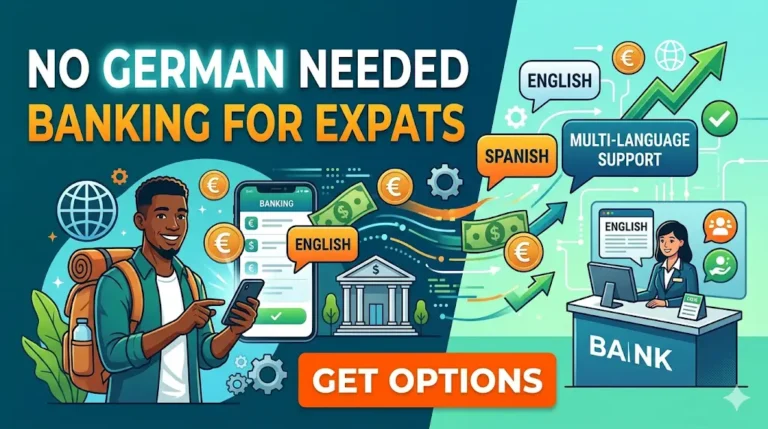
In the last decade, a new wave of "challenger banks" or neobanks has completely disrupted the German market. Names like N26 have become synonymous with the expat experience because they solved the two biggest pain points: the language barrier and the paperwork mountain. When I first moved here, the idea of opening a bank account in ten minutes via a video call on my phone felt like magic compared to the weeks of waiting for physical mail from traditional banks.
These banks operate entirely online or through mobile apps. They don't have physical branches, which allows them to offer lower fees—often zero for a basic account. For someone just starting out, Opening a Bank Account in Germany: Step-by-Step for Newcomers is much easier when the interface is entirely in English and the verification process doesn't require a trip to the post office. However, this digital-only approach has its downsides, particularly if you need to deposit large amounts of cash or require complex financial advice for a mortgage later on.
Traditional Powerhouses: The Case for Sparkasse and Commerzbank
Despite the trendiness of digital banks, traditional institutions still hold a massive share of the market for a reason. There is a certain level of "German-ness" that comes with having a Girocard from a local Sparkasse. In many rural areas or smaller "Mom and Pop" shops, you might still see signs that say "EC-Karte nur ab 10 Euro" or, worse, "Keine Kreditkarten." This is where a traditional account shines.
Local Presence and the Sparkasse Network
The biggest advantage of the Sparkasse or the Volksbanken is the sheer density of their ATM network. Germany is still a surprisingly cash-heavy society. While things are changing, you will still find yourself needing a five-euro bill for a bakery or a local flea market. If you have a Sparkasse account, you can use any Sparkasse ATM in the country without fees. This is a huge relief when you are traveling and don't want to pay €5.00 every time you need to withdraw cash.
Furthermore, having a physical person to talk to can be invaluable when things go wrong. If your card is swallowed by a machine or you need to provide a stamped proof of funds for a visa extension at the Ausländerbehörde, walking into a branch is often faster than waiting for a chat support agent. For many, Finding a Hausarzt (Family Doctor) in Germany is a priority, but finding a local banker you trust is a close second for long-term stability.
Dealing with Bureaucracy and German Language Requirements
The "I've-been-there" reality of traditional banks is that they are bastions of German bureaucracy. Be prepared for a lot of physical mail. You will receive your card in one envelope, your PIN in another, and your online banking activation code in a third. It feels like a scavenger hunt where the prize is finally being able to buy groceries. Most of these banks will also require you to have your Meldebescheinigung (registration certificate) before they even talk to you.
Language is the other major hurdle. While branches in the center of Berlin or Munich might have English-speaking staff, it is not guaranteed. If your German is shaky, I highly recommend bringing a friend along. If you are handling your own finances, learning How to Read a German Payslip (Gehaltsabrechnung) and understanding the bank’s terms and conditions in German can be a daunting task. Traditional banks are excellent once you are settled, but they can be a steep mountain to climb in your first week.
Digital-First Solutions: Deep Dive into N26 and Mobile Banking
If you want to bypass the queues and the German-only forms, a neobank is likely your best starting point. N26 is the most prominent player here, and for many expats, it is the first account they open. It’s designed for a generation that manages their entire life from a smartphone.
The English-Language Advantage
The most significant selling point for N26 is that the entire experience—from the app interface to the customer support—is available in English. When you are already struggling to figure out how to sort your trash or how to use the Deutsche Bahn Guide: Using Trains for City and Long-Distance Travel, having one part of your life that makes sense in your native language is a massive psychological win. You can sign up using a foreign passport (though certain nationalities may require more steps) and verify your identity via a video call.
This ease of access makes it the perfect "bridge" account. You can open it while you are still in temporary accommodation, as long as you have a place to receive the physical card. It gives you a German IBAN immediately, which is essential for setting up your mobile phone contract or paying the TV & Radio License (Rundfunkbeitrag): What It Is and Why You Must Pay. Without that IBAN, you are effectively locked out of the German subscription economy.
Features and Fees: Comparing Tiers
Most neobanks offer a tiered subscription model. There is usually a free version that covers the basics: a virtual card, a few free ATM withdrawals per month, and a clean app for tracking spending. As you move up to paid tiers (like N26 You or Metal), you get features like travel insurance, specialized customer support, and "Spaces"—which are essentially sub-accounts for budgeting.
I personally find the "Spaces" feature incredibly helpful for managing the Cost of Living in Germany: Budgeting Guide for Expats. You can set aside money for rent, taxes, and your "Döner fund" separately from your main balance. Just be aware that some of the free accounts have limits on how much cash you can withdraw without a fee. In a country where cash is still king in many scenarios, those small withdrawal fees can add up if you aren't careful.
Specialized Online Banks: DKB, ING, and More
Between the traditional giants and the shiny new neobanks, there is a middle ground: established online-only banks like DKB (Deutsche Kreditbank) and ING. These banks offer the stability and product range of a traditional bank but without the expensive branch network.
The Benefits of Free Accounts and Cash Withdrawals
For a long time, DKB was the gold standard for expats because they offered a "truly free" account that included a Visa card which allowed free cash withdrawals at almost any ATM worldwide. This was a game-changer for those of us who travel frequently back home or around Europe. While they have recently introduced some fees and stricter conditions for "active customers," they remain a very strong choice for those who want a "real" German bank without the €10 monthly maintenance fee.
ING is another popular choice, known for its excellent web interface and high customer satisfaction. These banks often provide better interest rates on savings accounts than the local Sparkasse. If you are starting to think about Investing and Saving in Germany: Building Wealth as an Expat, moving your money to an institution like DKB or ING can be a smart move once you have your initial footing.
The Verification Hurdle: PostIdent and VideoIdent
The catch with these online banks is that their verification process is often stricter than that of neobanks. They rely heavily on the SCHUFA system. If you just arrived in Germany yesterday, you have no credit history here, and your SCHUFA score is essentially a blank slate. This often leads to automated rejections for newcomers. Understanding The SCHUFA Credit Score in Germany: How It Works is vital before you apply for these types of accounts.
Furthermore, you may have to go through "PostIdent." This involves printing out a coupon and taking it to a Deutsche Post branch along with your passport. The postal worker verifies your ID and sends the confirmation to the bank. It's a very German mix of digital banking and physical paper trails. If you are still waiting for your Anmeldung (Address Registration) vs Visa: Why Both Are Needed in Germany, this process can be stalled, so timing is everything.
Managing International Life: Wise and Currency Exchange
For many of us, life doesn't stop at the German border. You might still have student loans in the US, a mortgage in the UK, or family you want to send money to in India. This is where traditional German banks fail miserably with their high exchange rates and hidden "correspondent bank" fees.
Why Your Local IBAN Isn't Enough for Transfers
While your Sparkasse or N26 account is perfect for domestic Euro transactions, using them for international transfers is like burning money. I remember sending my first rent deposit from a UK account to a German one; I lost nearly €100 in the exchange rate alone. This is why services like Wise (formerly TransferWise) are non-negotiable for the modern expat.
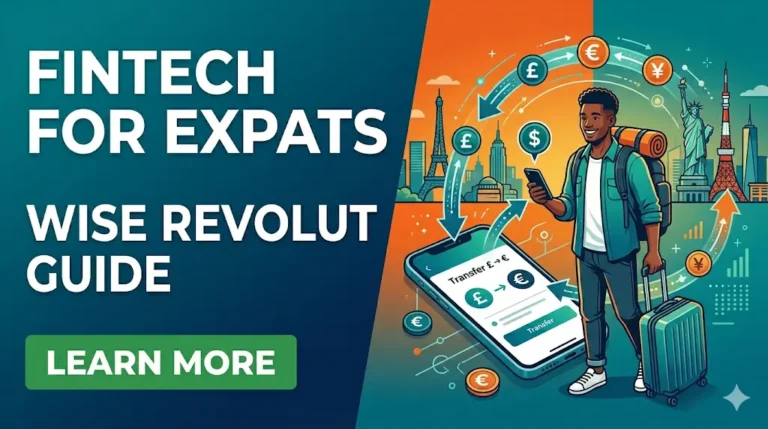
Wise allows you to hold money in multiple currencies and convert them at the mid-market rate for a transparent fee. You can even get a multi-currency card that lets you spend like a local when you travel. For many expats, the "pro-tip" is to use N26 or Sparkasse for your daily German life (salary, rent, groceries) and keep a Wise account for moving money across borders. It integrates seamlessly with most banking apps and can save you thousands over the course of a few years.
Integrating Fintech into Your Daily German Routine
As you settle in, your financial ecosystem will grow. You might use N26 for your daily spending, Wise for sending money home, and then find yourself needing help with the terrifying German tax season. This is where tools like Wundertax or Taxes for Expats come in. These platforms often sync with your bank accounts to help you identify deductible expenses.
When you are looking at 10 Ways to Save Money in Germany: Budget Hacks for Expats, managing these different tools effectively is key. Don't feel like you have to stick to just one bank. Most of my successful expat friends use a "hybrid" model: a traditional account for the Girocard and local ATM access, and a digital account for ease of use and budgeting.
Practical Comparison of Banking Options
To help you decide, I’ve put together a table comparing the most common choices based on the features that actually matter when you are trying to survive your first year in Germany.
| Feature | Sparkasse (Traditional) | N26 (Neobank) | DKB / ING (Online-Only) |
|---|---|---|---|
| Language | Primarily German | Full English Support | Primarily German |
| Physical Branches | On every corner | None | None |
| Monthly Fees | €5 – €15 (usually) | €0 (Basic) | €0 (if conditions met) |
| Signup Process | Appointment + Paperwork | 10 mins via App | Online + PostIdent |
| Girocard (EC) | Included (Essential) | Not standard (available) | Optional / Fee-based |
| ATM Access | Free at Sparkasse ATMs | Limited free withdrawals | Free at most ATMs (Visa) |
| SCHUFA Required | Often flexible | No (for basic) | Very strict |
Practical Checklist: Opening Your First German Account
Before you head to a branch or open an app, make sure you have your "war chest" of documents ready. German banks are sticklers for rules, and missing one piece of paper will result in a polite but firm "Nein."
Essential Documents (Anmeldung, Passport, Tax ID)
The absolute minimum you need is a valid passport and your Meldebescheinigung (registration paper). Some banks will also ask for your residence permit if you are a non-EU citizen. If you haven't received your residence permit yet, a "Fiktionsbescheinigung" (temporary permit) might work, but it depends on the bank's internal policy.
You will also eventually need your Steuer-ID (Tax ID). While you can often open the account without it, the bank will bug you for it within the first few months. If you don't provide it, they are legally required to withhold a higher rate of tax on any interest you earn. If you’re confused about how to get this, check out How to Get Your Steuer-ID in Germany. Having these documents scanned and ready on your phone will save you a world of hurt.
Comparing Fees (Girocard vs. Credit Card)
In Germany, a "Credit Card" (Visa/Mastercard) and a "Girocard" are two very different things. The Girocard is a domestic system that pulls money directly from your account. Many government offices (Bürgeramt) and small shops only accept the Girocard. If you choose a bank like N26, make sure you understand how their Mastercard works in these "Girocard-only" locations.
Also, keep an eye on Nebenkosten—no, not the ones for your apartment, but the hidden bank fees. Some banks charge for every paper statement they mail you, or for every SMS tan (security code) you receive. When you are Budgeting for Life in Germany: Tips to Save Money as an Expat, these €0.10 and €0.20 charges can be an annoying surprise at the end of the month. Choose a plan that fits your behavior: if you use your phone for everything, an app-based bank is better; if you like paper trails, go traditional.
Finally, once you have your account and your salary starts rolling in, don't forget that you'll need to deal with the tax office eventually. Using a service like Wundertax can make the transition from a confused newcomer to a savvy resident much smoother. It’s all about building a system that works for you, so you can spend less time looking at bank statements and more time enjoying your new life in Germany.
Important Disclaimer
The information provided in this article is for informational purposes only and does not constitute financial, legal, or tax advice. Banking regulations, fee structures, and product offerings in Germany change frequently. We strongly recommend verifying all details directly with the respective banking institutions or consulting with a qualified professional before making any financial decisions. Your specific residency status and nationality may also affect your eligibility for certain banking products.