How to Plan a Bavaria and Alps Itinerary
Many travelers land in Munich with a frantic checklist, hoping to "conquer" the Alps in forty-eight hours, only to find themselves overwhelmed by confusing regional train zones, sold-out castle tickets, and the sheer scale of the Bavarian wilderness. This guide cuts through the tourist fluff to help you plan a realistic, deeply rewarding Bavaria and Alps itinerary that balances iconic sights with hidden Alpine gems.
Disclosure: This post may contain affiliate links. We may earn a commission at no extra cost to you if you make a purchase through these links. Read full disclosure.
Mastering the Logistics of Southern Germany
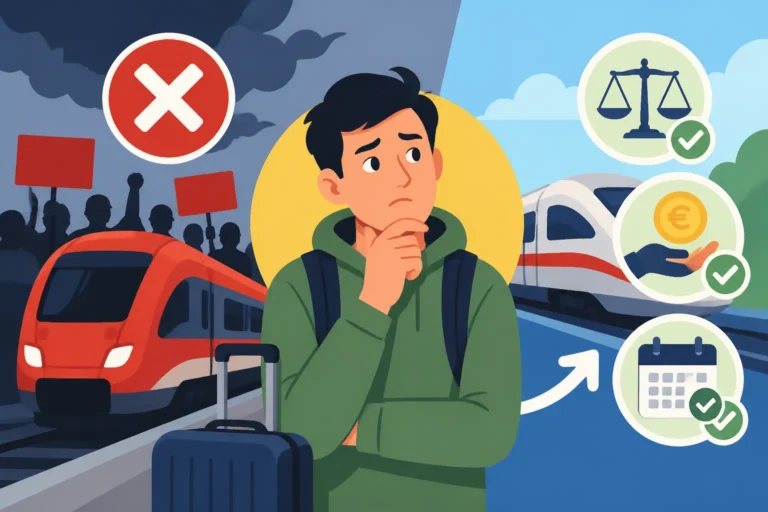
When I first moved here, I assumed that because German trains have a reputation for efficiency, I could just show up at the station and figure it out. Reality hit hard when I realized that regional transit in Bavaria is a complex web of different ticket types and zones. To truly enjoy the Alps, you need to understand how to move between the valleys without spending a fortune or getting stranded on a remote platform.
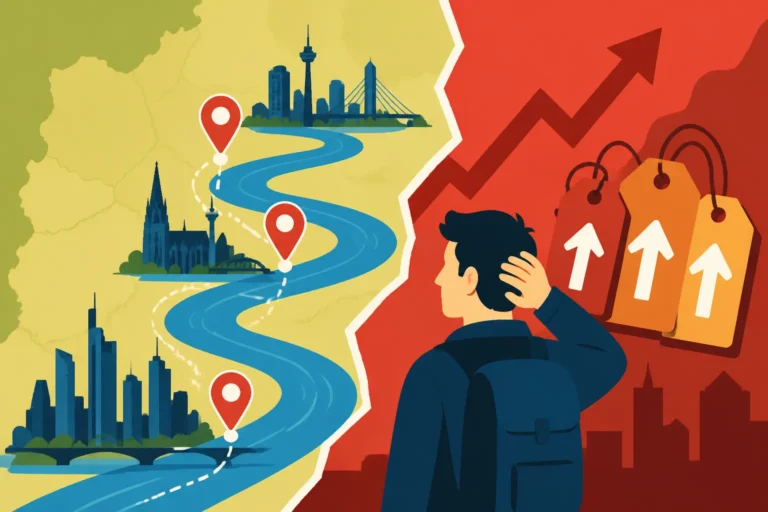
The backbone of any successful Bavarian trip is the railway system. If you are staying within the state, the Bayern-Ticket is your best friend. It allows for unlimited travel on regional trains for a single day, and the price per person actually drops the more people you add to the ticket. However, if you are planning to travel between major hubs like Munich and Salzburg, you might find that high-speed ICE trains are more convenient. For these longer stretches, I often recommend using Omio to compare the prices between the national rail and private bus companies, as the cost difference can be significant during peak season.
Timing is just as critical as transport. Many people flock here in mid-summer, only to realize that the mountain trails are packed and the humidity in the valleys is stifling. If you want the classic Alpine experience, late September or early October is magical. The air is crisp, the cows are being brought down from the high pastures in traditional festivals, and the autumn colors in the forests are spectacular. For those who prefer the snow, mid-January offers the best conditions for winter sports, though you should be prepared for shorter daylight hours. You can find more details in our guide on What's the Best Month to Visit Bavaria? to help narrow down your specific window.
Crafting Your Munich Base Camp
Most people start their journey in Munich, and for good reason. It is the cultural heart of the region, but it can also be a bit of a "plastic" experience if you stay strictly within the Marienplatz area. To get a real feel for the city before heading into the mountains, I suggest looking for accommodation in neighborhoods like Haidhausen or Maxvorstadt. Using a platform like Booking.com allows you to filter for boutique guesthouses that offer a more authentic Bavarian feel than the massive hotel chains near the central station.
Munich serves as the perfect springboard for day trips. You can easily spend three days exploring the city's museums and parks before you even think about the mountains. However, if you are short on time, prioritize the English Garden and a visit to one of the traditional beer halls. It is important to understand the local flow of life here; things move slower, and rushing through a meal is considered a minor sin. For a deeper dive into the city's specific highlights, check out Munich for First-Time Visitors: What to See for a veteran's take on the "must-dos."
One mistake I see often is travelers trying to commute from Munich to the deep Alps every single day. While possible, the two-hour train ride each way eventually wears you down. Instead, use Munich as your initial landing pad for two nights, then pack a smaller bag and move your base to a mountain town like Garmisch-Partenkirchen or Berchtesgaden. This transition allows you to wake up with the mist on the peaks rather than the sound of city trams.
Navigating the High Peaks and Fairytale Castles
The Alps are not just a backdrop; they are a playground that requires a bit of respect and preparation. If your itinerary includes the Zugspitze, Germany’s highest peak, you need to plan for the weather. It can be sunny in Garmisch but a total whiteout at the summit. I always tell friends to check the mountain webcams first thing in the morning before buying those expensive cable car tickets. If the view is clear, it is one of the most breathtaking experiences in Europe. You can learn more about the logistics of this specific ascent in our article on How to Hike the Zugspitze or Reach Its Summit.
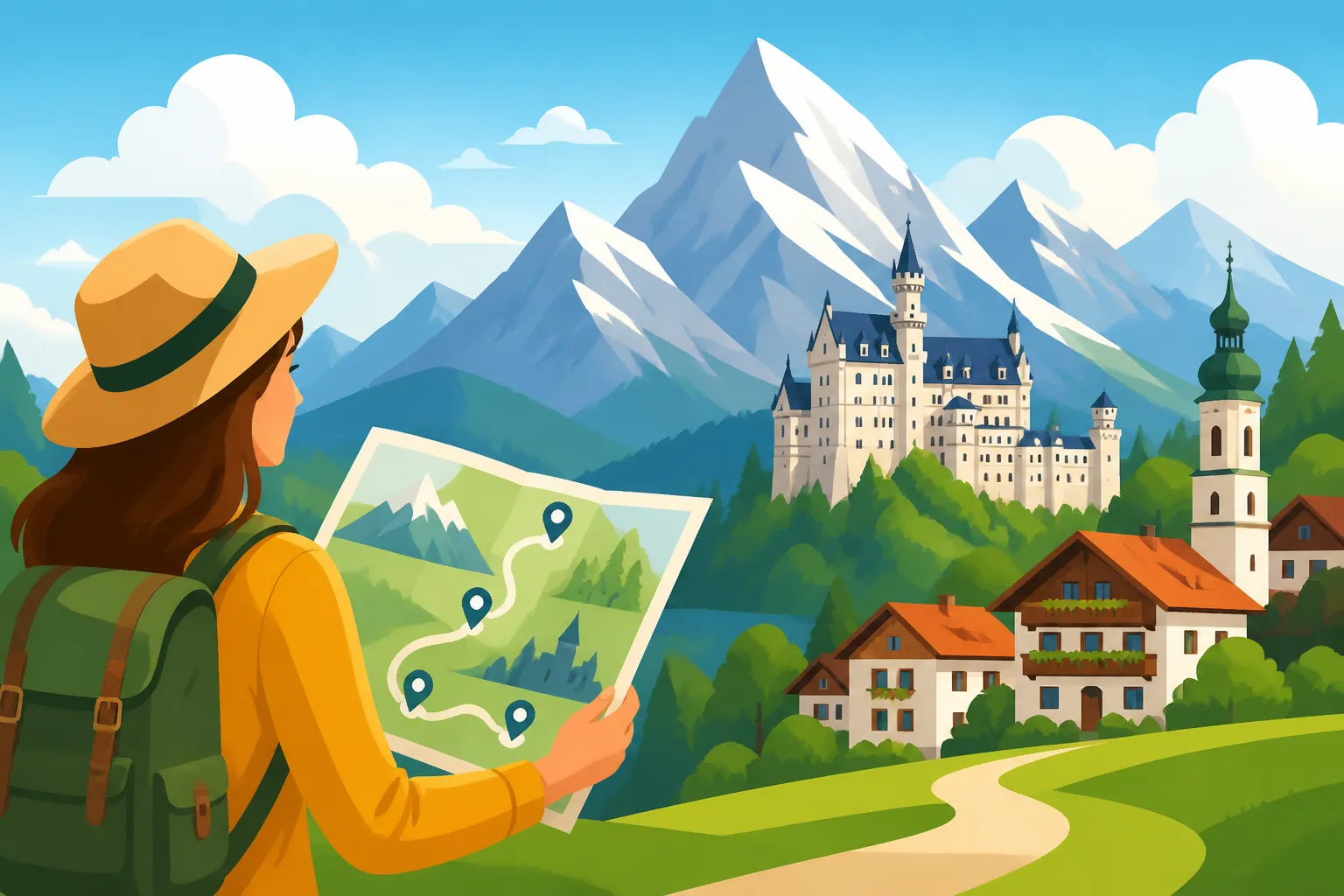
Then, of course, there is Neuschwanstein. This is where most itineraries hit a snag. The "fairytale" castle is beautiful, but the bureaucracy of getting a ticket is anything but. You generally need to book weeks in advance through the official portal, or you will find yourself standing in a massive line at 7:00 AM with no guarantee of entry. A pro tip from a long-term resident: skip the stress and book a guided transport and entry package through GetYourGuide. It might cost a few extra Euros, but it saves you from the logistical nightmare of coordinating the train, the bus, and the strict entry time slots. For more practical advice on this, read our post on How to Visit Neuschwanstein Castle From Munich.
Beyond the famous castle, I highly recommend spending time in the Berchtesgaden National Park. The Königssee, a fjord-like lake surrounded by vertical mountain walls, is perhaps the most beautiful spot in Germany. Taking the electric boat to St. Bartholomä is a classic experience, but if you have the stamina, the hike up to the Röthbach waterfall is where you find the true soul of the Bavarian Alps, away from the selfie-stick crowds.
| Destination | Best For | Recommended Stay | Transport Tip |
|---|---|---|---|
| Munich | Culture & Museums | 2-3 Nights | Use the U-Bahn / S-Bahn |
| Garmisch-Partenkirchen | Zugspitze & Hiking | 2 Nights | Regional Train (RB 6) |
| Füssen | Neuschwanstein Castle | 1 Night | Bayern-Ticket valid here |
| Berchtesgaden | Lakes & Alpine Scenery | 2 Nights | Bus 841 for the Lake |
| Tegernsee | Relaxation & Beer | Day Trip | BOB (Bayerische Regiobahn) |
Immersing Yourself in Bavarian Culture and Food
You cannot truly plan a Bavaria itinerary without talking about the food. This is the land of "Gemütlichkeit," a word that doesn't quite have an English translation but roughly means a state of cozy, unhurried belonging. You find this best in the local Wirtshäuser (taverns). Forget the tourist menus with pictures; look for the "Tageskarte" (daily menu) written in chalk. This is where you’ll find the freshest Schweinebraten (roast pork) and Knödel (dumplings).
Understanding the etiquette is just as important as the food itself. In a busy beer garden, it is perfectly normal to share a table with strangers. You don’t need to wait to be seated in the self-service areas; just find a spot and say "Grüß Gott." If you are curious about the nuances of local drinking customs, our guide on How to Order Beer in Germany Like a Local will keep you from making the most common rookie mistakes.
When it comes to accommodation in the smaller towns, try to look for a "Gasthof." These are traditional inns that often have a restaurant on the ground floor and rooms above. They offer a level of hospitality that big hotels can’t match. I often use Booking.com to find these, as they have recently integrated many smaller, family-run pensions that previously didn't have an online presence. Waking up to the smell of fresh Brötchen from the local bakery and the sound of church bells is the quintessential Bavarian experience. To prepare your palate for the journey, you might want to browse through German Regional Dishes Every Visitor Should Try before you arrive.
Avoiding Common Pitfalls and Crowds
The biggest frustration for visitors in Bavaria is the "Disneyfication" of certain spots. Rothenburg ob der Tauber and Neuschwanstein can feel like theme parks during the middle of the day. To avoid this, follow the "golden rule" of Alpine travel: start your day early and stay late. Most tour buses arrive at 10:00 AM and leave by 4:00 PM. If you are there at 8:00 AM or 6:00 PM, the atmosphere changes completely.
Another hurdle is the "Sunday shutdown." In Germany, almost everything is closed on Sundays—including supermarkets and many pharmacies. If you are planning a Sunday hike, make sure you buy your snacks and supplies on Saturday. However, restaurants and beer gardens remain open, making Sunday the perfect day to slow down and enjoy a long lunch. For more tips on navigating these cultural quirks, refer to our guide on How to Avoid the Crowds in Germany's Peak Season.
Finally, don't be afraid to deviate from the standard "Romantic Road" path. While the famous route is lovely, the smaller valleys like the Isar Valley near Lenggries or the area around Mittenwald offer equally stunning views with half the tourists. Use Omio to check for regional bus connections that might take you into these quieter corners.
Practical Steps for Your Journey
To make your trip as smooth as possible, there are a few technical things to handle before you leave. First, download the DB Navigator app. It is the gold standard for tracking train delays and platform changes in real-time. Second, carry cash. While major cities are becoming more card-friendly, many mountain huts and small-town bakeries still operate on a "Nur Barzahlung" (cash only) basis.
If you are planning to do significant hiking, check the local "Kurkarte" (spa card) rules. Most mountain towns charge a small daily tourism tax, but in return, you get a card that provides free local bus travel and discounts on cable cars. It’s a small detail that can save you a lot of money over a week-long stay. If you’re traveling with children, you should also look into How to Plan a Stress-Free Family Trip to Germany to ensure your Alpine adventure is kid-friendly.
Planning a Bavaria and Alps itinerary is about more than just connecting dots on a map. It’s about slowing down to the pace of the mountains, learning to enjoy a heavy lunch, and being prepared for the whims of Alpine weather. If you give yourself the time to truly see the region—rather than just rushing through it—you’ll understand why so many of us expats decided to never leave.
Disclaimer
The information provided in this guide is for informational purposes only. Travel regulations, train schedules, and entry requirements for attractions can change frequently. While we strive to provide the most up-to-date advice based on personal experience and current data, please verify all bookings and local laws before your departure. This guide does not constitute legal or professional travel advice.