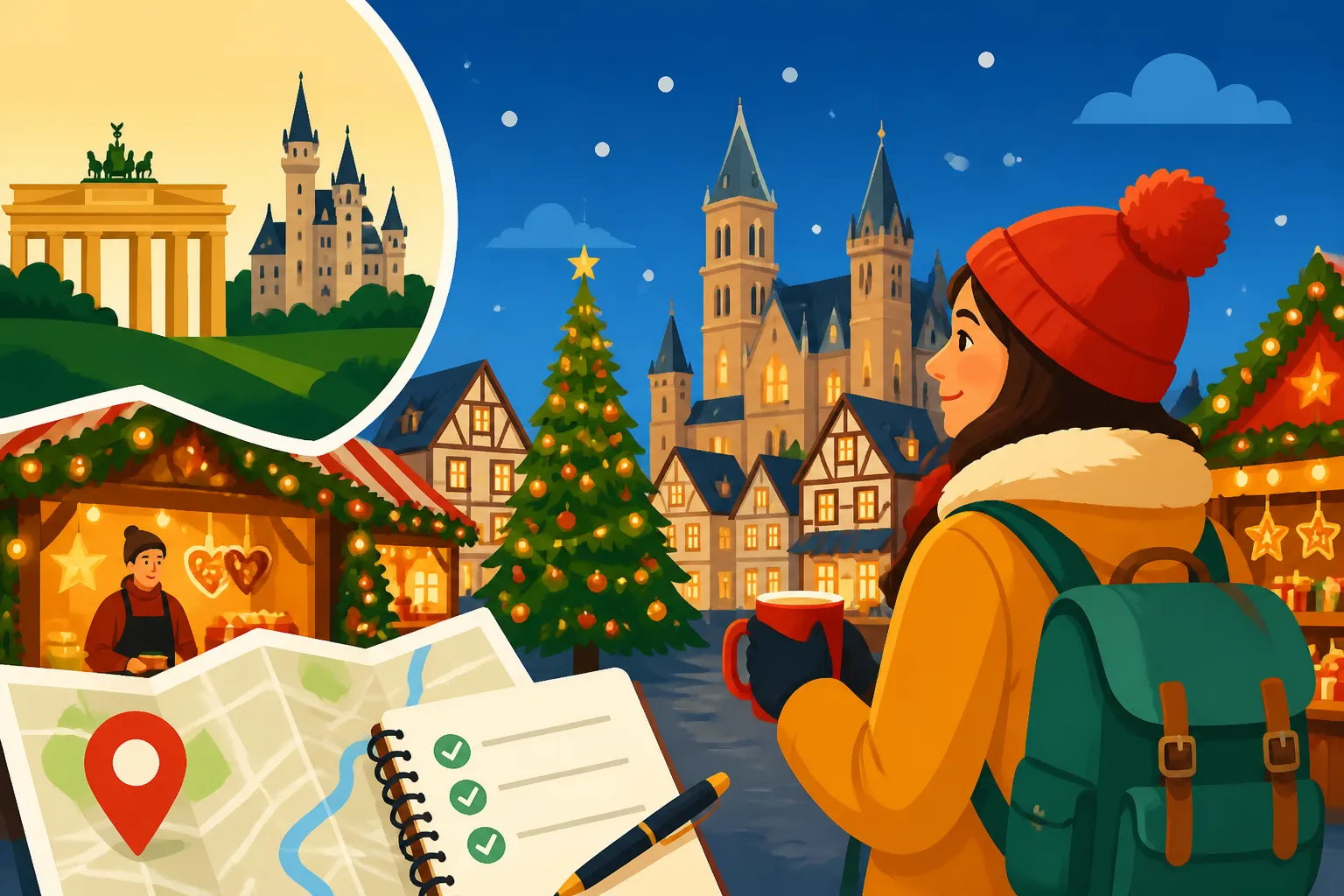
How to Plan a German Christmas Market Trip
Oh, the German Christmas markets! There's truly nothing quite like stepping into that festive wonderland, breathing in the scent of Glühwein and roasted almonds, and feeling the sheer joy in the air. But let's be honest, for us expats and visitors, planning such a trip can feel a bit daunting, right? Between navigating public transport, finding the perfect stay, and choosing which of the countless magical markets to visit, it’s easy to get overwhelmed. This guide is here to untangle all that festive complexity, offering you a veteran expat's perspective on how to plan your dream German Christmas market adventure with minimal stress and maximum delight.
Disclosure: This post may contain affiliate links. We may earn a commission at no extra cost to you if you make a purchase through these links. Read full disclosure.
When to Visit and Choosing Your Festive Destinations
Timing is everything when it comes to experiencing the German Christmas markets, and knowing where to focus your energy can make all the difference between a charming stroll and a shoulder-to-shoulder shuffle. Germany boasts literally thousands of markets, from grand, historical spectacles to quaint, local affairs.
The Ideal Timeframe for a Market Marvel
Most German Christmas markets kick off in the last week of November, typically the Friday before the first Advent, and run until December 23rd or 24th. Some smaller, more local markets might only operate for a single weekend or a shorter period. If you’re aiming for the full, bustling, traditional experience, I'd personally recommend the first two weeks of December. This period generally captures the peak festive spirit without the absolute madness that descends in the week leading up to Christmas Eve.
Visiting during the weekdays, especially in the late afternoon and early evening, is usually your best bet for avoiding the thickest crowds. Weekends, particularly Friday evenings and Saturdays, can be incredibly busy, especially in the major cities. I've found that trying to navigate Nuremberg's Christkindlesmarkt on a Saturday afternoon can be less about enjoying the atmosphere and more about trying not to lose your Glühwein to a passing elbow! If you have the flexibility, flying in mid-week and exploring smaller towns over the weekend can offer a more relaxed pace. Keep an eye on public holidays in Germany as well, as these can impact crowd levels and transport.
Deciding Which Magical Markets to Explore
Choosing which markets to visit is perhaps the most delightful, yet challenging, part of the planning process. Do you go for the grand, world-famous ones, or seek out the hidden gems? My advice is often a mix of both.
-
The Big Names: You can't really go wrong with the classic, larger markets.
- Nuremberg's Christkindlesmarkt: This is arguably the most famous, and for good reason. It’s incredibly traditional, with its own Christkind (a young woman chosen to represent the spirit of Christmas), and the market square is just stunning. It's a must-see for a truly authentic Bavarian Christmas vibe.
- Dresden's Striezelmarkt: Holding the title as Germany's oldest Christmas market, dating back to 1434, Dresden offers a historical and charming experience. Don't miss their famous Stollen (fruit bread).
- Cologne Cathedral Christmas Market: The backdrop of the colossal Cologne Cathedral makes this market particularly atmospheric. It's a huge market with a vibrant, bustling energy.
- Munich's Marienplatz Christmas Market: Another grand market in a stunning city square, Munich offers a quintessentially Bavarian experience, complete with alpine huts and festive music.
-
Charming Smaller Towns: For a cozier, perhaps more intimate experience, consider adding a smaller town to your itinerary.
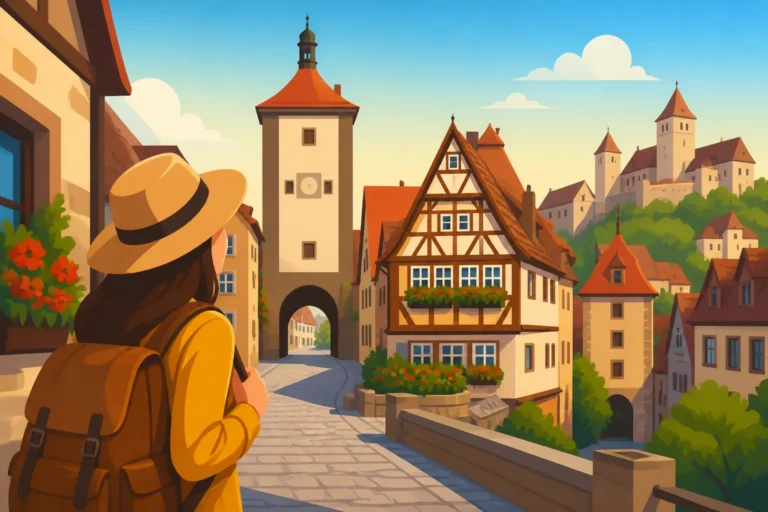
- Rothenburg ob der Tauber: While a year-round tourist magnet, Rothenburg's Reiterlesmarkt transforms the medieval town into a fairy-tale setting, complete with the famous Käthe Wohlfahrt Christmas Village.
- Heidelberg: Nestled against the backdrop of its majestic castle ruins, Heidelberg's markets are spread across several charming squares, offering a romantic and picturesque experience.
- Freiburg im Breisgau: Tucked away in the Black Forest, Freiburg offers a delightful market with a focus on local crafts and regional specialties, perfect if you’re looking for a slightly different feel.
Think about what kind of experience you're after. Do you want the lively crowds and grand scale, or a more serene, picturesque setting? Often, combining a couple of major city markets with a day trip to a smaller, more intimate town provides a fantastic balance. For a deeper dive into specific market characteristics and specialties, you might find some great insights in a guide to German Christmas Markets: Where to Go.
Navigating Your Christmas Market Adventure: Transport and Accommodation
Once you've zeroed in on your festive destinations, the next hurdle is figuring out how to get there and where to rest your weary, Glühwein-filled head. Germany's transport system is excellent, but accommodation during Christmas market season can be notoriously tight.
Efficient Travel Between Cities
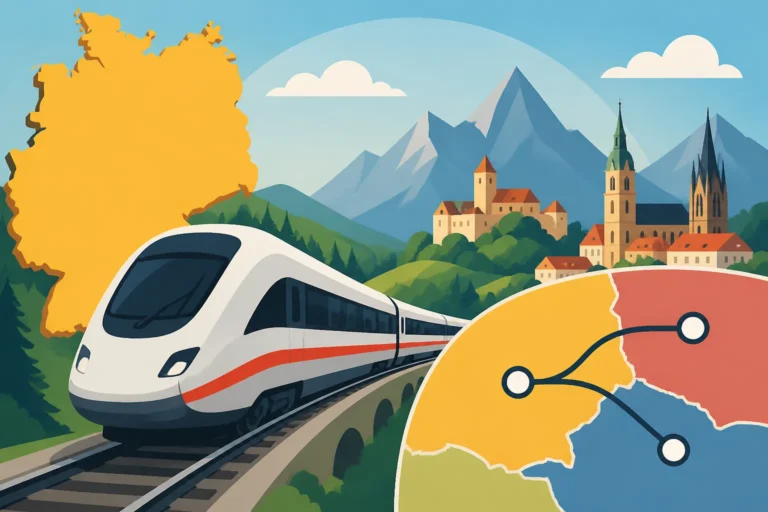
Germany's train network, primarily operated by Deutsche Bahn (DB), is incredibly efficient and often the most convenient way to travel between cities. You'll find yourself zipping around on high-speed ICE trains, or meandering through scenic routes on regional trains. My biggest piece of advice here is to book your train tickets well in advance, especially if you're traveling on weekends or planning to visit multiple popular cities. Prices for flexible tickets can skyrocket last-minute, while advance bookings (known as Sparpreis or Super Sparpreis) can offer significant savings. Websites and apps like Omio are fantastic for comparing different train, bus, and even flight options across Germany and Europe, making it easier to find the best deals and schedules.
For those on a tighter budget or not in a rush, long-distance buses like FlixBus are a viable alternative. They connect most major German cities and are considerably cheaper than last-minute train tickets, though journey times will be longer. If you’re planning extensive train travel, consider looking into a Deutschland-Ticket, which offers unlimited regional travel for a month. While it doesn’t cover high-speed ICE trains, it can be a lifesaver for hopping between smaller towns or exploring a specific region. For a full breakdown on navigating the German rail system, take a look at our guide on How to Buy Deutsche Bahn Tickets and Save Money.
Finding Your Festive Home Base
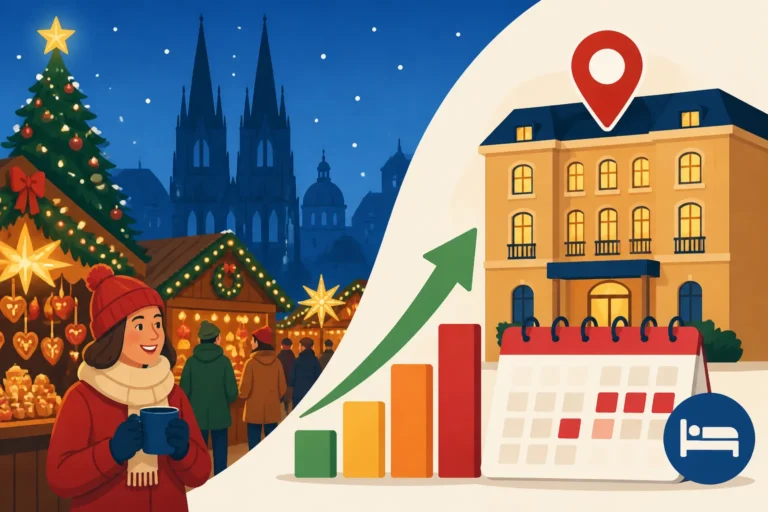
Accommodation during the Christmas market season can be competitive and pricey, especially in highly sought-after cities. This is where early planning is absolutely crucial. As soon as you have your travel dates and cities locked down, start looking for your hotels or apartments.
Popular platforms like Booking.com offer a vast array of options, from cozy Pensionen (guesthouses) to international hotel chains. When choosing your accommodation, consider its proximity to the main Christmas markets and public transport links. Being able to walk to the market, or having a direct tram/U-Bahn line, will save you a lot of hassle and time, particularly when you're bundled up against the cold.
Tips for Booking Accommodation:
- Book Early: Seriously, I cannot stress this enough. Properties in popular Christmas market cities often sell out months in advance.
- Check Location: Use maps to ensure your chosen accommodation is conveniently located relative to the markets and public transport. Many markets are pedestrian-only, so car access might be restricted.
- Read Reviews: Look for mentions of heating, soundproofing (markets can be lively!), and amenities like breakfast. A warm, comfortable place to retreat to after a cold evening out is invaluable.
- Consider Alternatives: Don't forget about serviced apartments or even private room rentals if you're staying for a few days. These can sometimes offer more space or better value, especially for families or groups. For initial stays, you might also find useful tips in our article on Short-Term Accommodation in Germany: Options for Your First Weeks.
The Must-Dos: What to Eat, Drink, and Experience
The real magic of German Christmas markets lies in the sensory overload they offer: the smells, the tastes, the twinkling lights, and the unique atmosphere. It’s more than just shopping; it’s an immersive cultural experience.
Culinary Delights: A Feast for the Senses
Let's be honest, for many, the food and drink are the main event! Prepare to indulge your taste buds, because German Christmas markets are a culinary paradise.
- Glühwein and its Warming Cousins: The quintessential market drink is Glühwein, hot spiced mulled wine. You’ll find it everywhere, often served in charming, city-specific mugs for which you pay a Pfand (deposit). You can return the mug to get your deposit back, or keep it as a lovely souvenir. Don't stop at just red Glühwein; many markets offer white Glühwein, Heidelbeer Glühwein (blueberry), and even Eierpunsch (a boozy eggnog-like drink). For the kids or designated drivers, Kinderpunsch (non-alcoholic fruit punch) is always available. Exploring the varieties of these festive drinks is a journey in itself, and you can learn more about them in Glühwein and Festive Drinks in Germany.
- Hearty Market Food: To soak up all that Glühwein, you'll need sustenance.
- Bratwurst: A classic. Whether it's the skinny Nürnberger Rostbratwurst (three in a bun!) or a longer Thüringer Rostbratwurst, a grilled sausage in a crusty roll with mustard is a market staple.
- Reibekuchen: Crispy potato pancakes, often served with applesauce or herb quark. Delicious and perfectly warming.
- Champignons: Fresh mushrooms sautéed with garlic and herbs, often served with a creamy sauce. A surprisingly popular and flavorful dish.
- Sweet Treats: Lebkuchen (gingerbread), Mandelgebäck (almond cookies), Schmalzkuchen (mini fried doughnuts dusted with powdered sugar), and roasted almonds are just a few of the sweet temptations you’ll encounter. Each region might have its own unique confectionery.
Shopping for Unique Gifts and Souvenirs
Beyond the food, the markets are a treasure trove of artisanal crafts and unique gifts. This is a fantastic place to find something truly special for loved ones (or yourself!).
- Hand-Crafted Wonders: Look for wooden toys, hand-blown glass ornaments, intricate lace, beeswax candles, and beautiful ceramics. Many stalls feature local artisans, and you'll find items you won't see in regular shops.
- Weihnachtspyramiden and Nutcrackers: These traditional German Christmas decorations are stunning. The Weihnachtspyramide is a tiered carousel powered by the heat of candles, and nutcrackers, often shaped like kings or soldiers, are iconic symbols of German Christmas.
- Quality over Quantity: While there are always mass-produced items, seek out stalls displaying genuine craftsmanship. Don't be afraid to ask about where items are made. A well-made souvenir will be a lasting memory of your trip. Our guide on Christmas Market Shopping: Crafts and Gifts offers more tips for finding those perfect items.
Immersive Experiences and Festive Atmosphere
Beyond eating and shopping, simply soaking in the atmosphere is what makes these markets so special. Stroll through the aisles, listen to the carolers, and take in the twinkling lights. Many markets feature charming carousels, ice skating rinks, or even small stages with live music. In cities like Dresden, you might catch the Stollenfest, a parade celebrating the giant Christmas Stollen. In Cologne, the setting beneath the Gothic cathedral is simply breathtaking. To discover unique events or themed tours in various cities, platforms like GetYourGuide can be excellent resources for finding something truly memorable. Maybe you'll find a guided walking tour focused on the market's history or even a Glühwein-tasting experience!
Budgeting and Practical Tips for a Magical Trip
Even magic has a price tag, and a Christmas market trip is no exception. A bit of foresight regarding your budget and some practical considerations can save you stress and help you truly enjoy the festive cheer.
Budgeting for the Merriment
German Christmas markets are generally quite affordable if you're mindful. Entrance to most markets is free, but your wallet will get a workout on food, drinks, and souvenirs.
- Food and Drink Costs: Expect to pay around €3-5 for a Glühwein (plus €2-4 Pfand for the mug), and around €4-7 for a Bratwurst or Reibekuchen. If you sample a lot, it adds up!
- Souvenir Spending: This is entirely dependent on you. Small ornaments might be a few euros, while a hand-carved nutcracker could easily be €50 or more. Set a budget before you go so you don't overspend in the festive haze.
- Cash is King (Still!): While card payments are becoming more common in Germany, many smaller stalls at Christmas markets still operate on a cash-only basis. It’s always a good idea to have a decent amount of small bills on hand. You'll avoid transaction fees and the potential frustration of a stall that doesn't accept cards. For more on payment methods, check out Money for Travel in Germany: Cash, Cards, and ATMs and Using Cash vs Card in Germany: Is Germany Going Cashless?.
| Market City | Main Market Dates (Approx.) | Key Speciality / Vibe | Average Glühwein Price (excl. Pfand) |
|---|---|---|---|
| Nuremberg | Late Nov – Dec 24 | Traditional, Christkind, Lebkuchen, Rostbratwurst | €4 |
| Dresden | Late Nov – Dec 24 | Oldest market, Stollen, Erzgebirge crafts | €4 |
| Cologne | Late Nov – Dec 23 | Cathedral backdrop, diverse themes, lively | €3.50 – €4.50 |
| Rothenburg o.d.T. | Late Nov – Dec 23 | Medieval fairy tale, Käthe Wohlfahrt | €3.50 |
| Munich | Late Nov – Dec 24 | Bavarian flair, Krampus run (select dates) | €4.50 |
Note: Dates are approximate and can vary slightly each year. Always check official market websites for the most current information.
Dressing for the German Winter
Germany in winter can be cold. Don't underestimate it, especially when you're spending hours outdoors. The joy of a warm Glühwein diminishes quickly if your fingers and toes are freezing!
- Layers, Layers, Layers: Think thermal underwear, a long-sleeved shirt, a warm sweater, and a heavy winter coat.
- Accessories are Key: A good quality scarf, gloves or mittens, and a warm hat are non-negotiable.
- Waterproof, Comfortable Shoes: You'll be doing a lot of walking, and there might be slush or even snow. Waterproof boots with good traction are essential. Nothing ruins a day faster than wet, cold feet. Our guide on What's the Weather Like in Germany in Winter? can give you a better idea of what to expect.
Embracing the Culture and Language
While you'll find many English speakers in major tourist cities, especially at the markets themselves, learning a few basic German phrases goes a long way. Germans generally appreciate the effort, and it can enhance your experience. Even a simple "Hallo," "Danke," "Bitte," or "Frohe Weihnachten!" will be met with a smile. Don't worry too much about perfection; it’s the thought that counts. You might find our Survival German for Travelers: Key Phrases to Learn First article helpful for a quick linguistic boost.
Remember to be polite and, if you’re buying something, it's customary to offer a cheerful "Danke schön!" and perhaps a "Tschüss!" when leaving. While Germans are generally quite direct, the Christmas market atmosphere tends to soften things a bit. It’s a time for warmth, conviviality, and sharing in the festive spirit.
As a final thought, allow yourself to wander. Some of the most charming market experiences happen when you stumble upon a quieter corner, a unique stall, or a particularly talented street musician. Planning is good, but so is leaving a little room for spontaneous magic. Enjoy your trip, and Frohe Weihnachten!
Disclaimer
The information provided in this guide is for general informational purposes only and does not constitute professional advice. While we strive to provide accurate and up-to-date information, circumstances in Germany can change, especially regarding travel regulations, event dates, and local customs. Readers are advised to verify details with official sources, such as market organizers, local tourism boards, and transport providers, before making any travel plans or decisions. We do not accept responsibility for any loss or inconvenience incurred by reliance on this information.