What German Souvenirs Are Worth Buying?
Oh, the age-old expat dilemma: you've been living it up in Germany, soaking in the culture, mastering the art of the Pfand bottle return, and now your friends and family back home are asking, "So, what did you bring me?!" The challenge isn't just finding something, it's finding something that isn't a tacky miniature Brandenburg Gate that will end up in the back of a cupboard. This guide is here to rescue you from the sea of mass-produced tourist tat and help you discover genuinely delightful, meaningful, and authentically German souvenirs that your loved ones (and you!) will truly cherish.
Disclosure: This post may contain affiliate links. We may earn a commission at no extra cost to you if you make a purchase through these links. Read full disclosure.
Beyond the Trinkets: Authentic German Keepsakes
When it comes to souvenirs, we've all been there: buying something in a rush, only to realize later it's a generic item slapped with a "Germany" sticker. The real magic lies in finding items that tell a story, evoke a memory, or genuinely represent a slice of German life. Let's delve into what's truly worth bringing home.
Culinary Delights to Take Home
Food, glorious food! Germany might not always get the culinary credit it deserves, but trust me, there are plenty of delicious and unique items that travel remarkably well and make fantastic gifts. Imagine sharing a piece of your German adventure, literally, with your friends and family.
First up, German mustard. Forget the bland stuff from back home; German mustard, or Senf, comes in an incredible array of varieties. From fiery scharfer Senf to the sweet and tangy süßer Senf (a Bavarian specialty perfect with Weisswurst), it's a staple you'll find in any supermarket, but the specialty brands often found in smaller delis or local markets are truly a cut above. Look for brands like Händlmaier's for sweet mustard or Löwensenf for a kick. They come in charming jars and are lightweight enough to pack.
Then there's chocolate. While Switzerland and Belgium often steal the spotlight, Germany has its own stellar chocolate scene. Brands like Ritter Sport, with its vast array of flavors, are always a hit. But for something a bit more special, seek out local chocolatiers, especially in cities like Cologne or Berlin, who craft exquisite pralines and unique chocolate bars. During Christmas, don't miss Lebkuchen (gingerbread) from Nuremberg or the rich Christstollen from Dresden. These festive treats, often beautifully packaged, capture the essence of German holiday traditions. They are hearty enough to survive the journey and deliver a burst of German cheer when unwrapped. For a year-round treat, Marzipan from Lübeck is legendary, renowned for its quality and often shaped into adorable figures or loaves. You'll find a deep dive into these and more in our comprehensive guide to German Food Culture: Eating and Drinking as a Visitor.
When you’re buying these edible treasures, consider how they’ll travel. Most packaged goods are fine, but if you’re buying fresh baked goods, plan to consume them quickly or choose items with a longer shelf life. Vacuum-sealed meats or cheeses (if allowed in your home country) can also be wonderful, but always check customs regulations first. The beauty of edible souvenirs is that they are consumable – they don't gather dust, but create a shared experience and spark conversation about your time abroad.
Traditional Crafts and Handiwork
This is where Germany truly shines, especially during the festive season. Germany has a rich heritage of craftsmanship, and while some items can be pricey, many are wonderfully unique and carry generations of tradition within them.
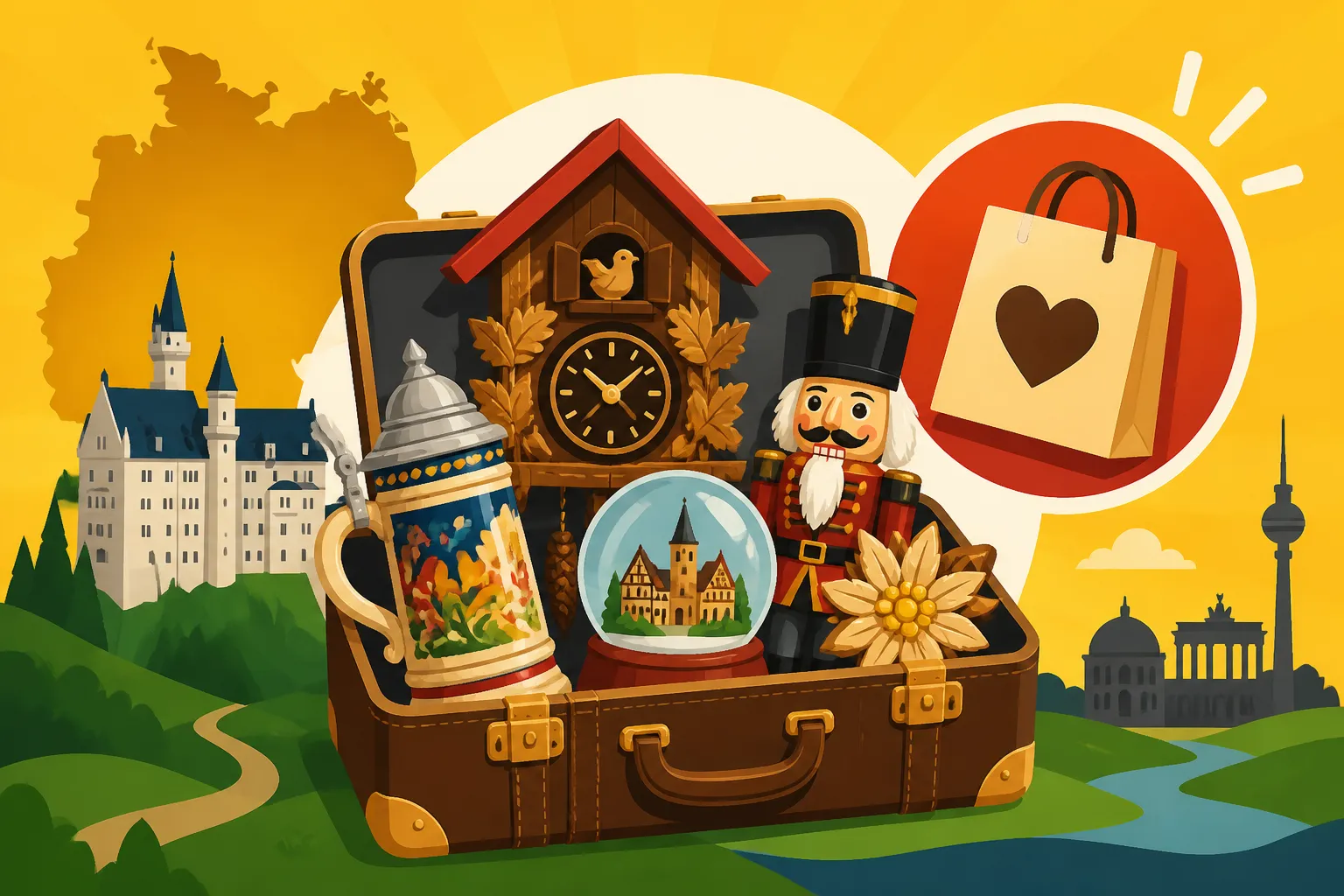
Let's talk beer steins. If you're going to get one, aim for quality. Avoid the cheap, mass-produced ones you see everywhere near tourist landmarks. A genuine, hand-painted ceramic or pewter stein from a reputable shop (often found in Bavarian towns or larger Christmas markets) is a true work of art. Look for details, authenticity marks, and a heavier feel. These are not just drinking vessels; they are pieces of history.
Perhaps the most iconic German craft item is the cuckoo clock. While synonymous with the Black Forest, you'll find them in specialty stores across Germany. These intricate, mechanical marvels are often hand-carved and can range from small, charming wall hangings to elaborate, grand pieces. Be prepared for a significant investment, but a high-quality cuckoo clock is an heirloom. If a full-sized clock is out of your budget or space constraints, look for smaller, equally charming wooden carvings from the same regions, like those depicting forest animals or traditional scenes.
Speaking of Christmas, Germany is a treasure trove. Nutcrackers (Nussknacker) and smoking men (Räuchermännchen) are iconic symbols, especially from the Erzgebirge region. These whimsical wooden figures are often meticulously hand-painted and tell delightful stories. Genuine ones are a joy to behold and make festive additions to any home. And, of course, the Christmas ornaments. Hand-blown glass ornaments, often intricately painted, are a must-buy, especially if you visit any of the famed Christmas markets. Towns like Rothenburg ob der Tauber are famous for their year-round Christmas shops, offering an endless array of stunning decorations. You can find more inspiration for festive shopping in our guide to Christmas Markets and Festive Germany. These handmade items not only serve as beautiful decorations but also carry the warmth and charm of German tradition, making them far more special than any generic magnet. For an extensive look at where to find such unique treasures, check out Shopping in Germany: Department Stores, Markets, and Outlets.
Practical & Unique Souvenirs: For Everyday German Living
Sometimes the best souvenir isn't just something to look at, but something you can actually use regularly, reminding you of your German adventures in the everyday. Germany excels at engineering and design, and this translates into many functional and high-quality items.
Everyday Items with a German Flair
Think about the things Germans use and value in their daily lives. Quality and durability are often paramount.
High-quality stationery is a subtle yet elegant choice. Brands like Lamy are globally renowned for their excellent pens, known for their minimalist design and robust build. A Lamy pen makes a sophisticated gift for anyone who appreciates fine writing instruments. You can find them in department stores, specialized stationery shops, and even many airport duty-free stores. They're practical, sleek, and distinctly German in their engineering.
For the home cook or foodie, consider kitchen gadgets or tools. Brands like WMF, Zwilling J.A. Henckels, and Fissler produce top-tier cookware, knives, and kitchen accessories. While these might be more of an "investment" than a casual souvenir, a single, beautifully crafted German knife or a specialty kitchen tool can be a truly appreciated and long-lasting reminder of your trip. These items embody German precision and quality. Alternatively, for something more decorative but still useful, explore local potteries. Many regions have distinctive pottery styles, offering unique mugs, bowls, or serving dishes that will bring a touch of Germany to any kitchen.
Don't overlook the humble Apotheke (pharmacy)! German pharmacies are often a treasure trove of high-quality, effective, and sometimes unique healthcare and beauty products. You might find specialty herbal teas, natural skincare lines like Kneipp, or specific, effective over-the-counter remedies that aren't available elsewhere. I’ve known many expats who swear by specific German cold remedies or skincare products that they stock up on whenever they visit. It’s a wonderfully practical way to bring a piece of German wellness culture home. Our guide on German Pharmacies (Apotheke): Prescriptions and Advice can help you navigate these often-overlooked gems.
Fashion and Accessories with German Heritage
While Germany isn't typically lauded as a fashion capital in the same vein as Paris or Milan, it has distinct styles and high-quality craftsmanship, especially in traditional wear and practical accessories.
For a bold, unforgettable statement, consider something related to Tracht, the traditional attire. While full Lederhosen (for men) or a Dirndl (for women) might be a bit much for everyday wear outside of Bavaria, a high-quality, authentic set is truly something special. These are not costumes; they are often exquisitely crafted garments with intricate embroidery and fine materials, meant to last a lifetime. Of course, you'll need to know where to find genuine articles, usually in specialized boutiques in Bavaria rather than the fleeting tourist stalls. For a more detailed look at this, our article What to Wear to Oktoberfest (Dirndl and Lederhosen) is a great resource. If a full outfit is too much, perhaps a beautifully embroidered Tracht blouse, a high-quality wool scarf, or a unique piece of traditional Bavarian jewelry could be a lovely compromise, bringing a touch of regional flair.
Beyond traditional wear, many German cities have fantastic independent boutiques and design stores. In cities like Berlin, Hamburg, or Cologne, you can find unique jewelry, handcrafted leather goods, or clothing items from local designers. These pieces might not scream "Germany" to the uninitiated, but their quality and unique design will carry a subtle reminder of your travels and the vibrant creative scene you encountered. These are the kinds of souvenirs that integrate seamlessly into your life and become cherished items rather than dust collectors.
Experiences & Memories: The Best Souvenirs of All
Sometimes, the most valuable souvenir isn't a physical object at all, but a tangible representation of a fantastic experience, or simply the memory itself. Germany offers a wealth of opportunities to create lasting memories.
Tickets and Tokens from Cultural Experiences
Think about the cultural activities you’ve enjoyed. Did you visit a world-class museum, catch a football match, or attend a classical concert? The ticket stub, program, or a small item from the gift shop can become a powerful mnemonic.
For example, if you visited Museum Island in Berlin, a beautifully illustrated book from one of the museum shops, or even a reproduction of a famous artwork, can be a lasting memento. These aren't just souvenirs; they're educational and inspiring pieces that connect you to the profound cultural depth of Germany. Consider a comprehensive guide to Germany's Great Museums: Museum Island and Beyond to get ideas.
If you’re a football fan, a Bundesliga team scarf or jersey is a fantastic way to remember the electrifying atmosphere of a German football match. Whether you saw Bayern Munich dominate or experienced the passionate local support for Borussia Dortmund, wearing those colors back home instantly transports you to the stadium. It's a statement piece, a conversation starter, and a true testament to Germany's fervent football culture. Learn more about embracing this passion in Football in Germany: Watching the Bundesliga as a Visitor. A concert program from the Berliner Philharmoniker, or a CD from a local German band you discovered, can also bring those auditory memories back to life. These items are more than just merchandise; they are tangible links to the moments that moved you.
Personalized & Story-Rich Souvenirs
The truly best souvenirs are often those with a story, those unique finds that no one else will have. This is where you put in a little effort, and it always pays off.
Seek out items from local artisans. Many towns, particularly during festivals or weekly markets, have craft stalls where local artists sell their handmade goods – jewelry, small sculptures, textiles, or paintings. These pieces are often one-of-a-kind and directly support the local community, making them incredibly meaningful. When you return home, you won't just have an item; you'll have the memory of meeting the artist, hearing their story, and understanding the inspiration behind their work.
Another fantastic option is to explore Germany's vibrant flea markets (Flohmarkt). From sprawling Sunday markets in big cities to charming village antique fairs, you can unearth incredible treasures. A vintage German postcard, an old piece of ceramic, a unique trinket, or even an antique book can be a truly special find. These items often have their own history, waiting for you to weave them into your own story. Plus, the thrill of the hunt is a souvenir in itself! Discover more about these treasure troves in German Flea Markets (Flohmarkt) and Vintage Finds.
Finally, for the intellectual traveler, a book – in German or English, about German history, literature, or art – from a local bookstore is a wonderful keepsake. It’s an investment in knowledge and a tangible connection to German intellectual life. Even a quirky, beautifully illustrated children's book can be a delightful and enduring gift. The best souvenirs are not just things, but anchors to experiences that continue to enrich your life long after you’ve left German soil.
Where to Hunt for the Best German Souvenirs
Finding truly worthwhile souvenirs often comes down to knowing where to look and being willing to step a little off the most beaten tourist paths.
Best Shopping Spots for Authentic Finds
The first rule of souvenir hunting: avoid shops directly adjacent to major tourist attractions. These often stock the most generic, overpriced, and least authentic items. Instead, venture a little further.
Christmas Markets (Weihnachtsmärkte) are, without a doubt, a prime hunting ground for authentic German crafts. These seasonal markets, usually running from late November through December, are brimming with artisan stalls selling hand-blown glass ornaments, wooden carvings, pottery, local foods, and unique handmade gifts. Each region has its own specialties, and the atmosphere alone is a souvenir in itself. For tips on navigating these festive bazaars, check out How German Christmas Markets Work: Food, Drinks, and Gifts.
Beyond the Christmas season, look for smaller, independent boutiques in city centers or charming old towns (Altstadt). These shops often curate unique, high-quality items from local designers and craftsmen. Don't be afraid to wander down side streets; often, the best finds are not on the main shopping boulevards.
Wochenmärkte (weekly markets) are also excellent for edible souvenirs. Here, you'll find local farmers and producers selling everything from artisanal cheeses and homemade jams to specialty breads and regional spices. These markets are a fantastic way to experience local life and pick up fresh, authentic gifts.
If you're in a specific region known for a craft, like the Black Forest for cuckoo clocks or Nuremberg for Lebkuchen, make a point to visit the dedicated specialty shops there. They often have a wider selection and more knowledgeable staff who can tell you about the history and craftsmanship of their products.
Tips for Smart Souvenir Shopping
To ensure you bring home treasures, not trash, keep a few things in mind:
Firstly, look for quality over quantity. It's better to have one well-crafted item that you or your loved one will use and cherish for years than a bag full of flimsy plastic doodads. While not always a guarantee, looking for a "Made in Germany" label can indicate a certain standard, especially for manufactured goods. For handcrafted items, the personal touch and unique design are often the best indicators of authenticity.
When it comes to payment, remember that Germany is still a fairly cash-heavy society, especially in smaller shops, at markets, or for smaller purchases. While major stores and chains accept cards, always have some euros on hand, particularly if you're exploring flea markets or independent stalls. Our guide on Cash vs Card in Germany: What Visitors Should Know offers more insight into German payment habits.
Bargaining is generally not customary in Germany, except perhaps at a flea market, and even then, it's usually polite to ask if there's a "better price" rather than aggressively haggle. Prices in established shops are usually fixed.
Finally, consider the logistics of transporting your souvenirs. Is it fragile? Is it heavy? Will it fit in your luggage? Buying something large and delicate like a cuckoo clock might mean arranging special shipping, which adds to the cost. If you're planning on flying, remember airline baggage restrictions. For items that might be delicate, ask the shopkeeper if they can pack it for travel; many are accustomed to doing so for tourists.
By following these tips, you'll be able to bypass the cheesy tourist traps and bring home authentic, meaningful, and genuinely German souvenirs that will keep the memories of your incredible time in Germany alive and well. Enjoy the hunt!
Disclaimer
Please remember that while this guide offers general advice for finding souvenirs in Germany, rules and regulations can change. Always check the latest customs regulations for your home country regarding food, alcohol, and other imported goods. This information is for guidance purposes only and should not be considered legal or financial advice.