How to Visit the Nuremberg Christmas Market
Oh, the Nuremberg Christmas Market! Just uttering those words brings a twinkle to my eye, and probably a rumble to my tummy thinking about all the Lebkuchen and Glühwein. As an expat who's been through the delightful chaos of German Christmas markets more times than I can count, I know how magical, yet slightly overwhelming, the prospect of visiting one of the biggest and most traditional can be. Forget sifting through countless travel blogs and getting lost in the dizzying array of options; this guide is your personal, no-nonsense roadmap to experiencing the iconic Christkindlesmarkt in Nuremberg like a true seasoned visitor.
Disclosure: This post may contain affiliate links. We may earn a commission at no extra cost to you if you make a purchase through these links. Read full disclosure.
The Magic of Nuremberg's Christkindlesmarkt: What Makes It Special
Nuremberg's Christkindlesmarkt isn't just any Christmas market; it's practically a pilgrimage site for festive cheer. While Germany boasts hundreds of incredible markets, Nuremberg truly stands out for its deep-rooted history, unique traditions, and an atmosphere that genuinely feels like stepping into a Yuletide fairy tale. If you've ever dreamt of sipping spiced wine amidst medieval architecture, this is the place to do it.
A Glimpse into History and Tradition
The history of the Nuremberg Christkindlesmarkt is as rich and warm as a fresh Lebkuchen. Its origins can be traced back to the mid-16th century, making it one of the oldest and most renowned Christmas markets in Germany. Imagine merchants and artisans gathering in the main market square centuries ago, selling their wares and spices to eager crowds; that same spirit, albeit with a few modern amenities, still thrives today. This deep history isn't just a fun fact; it permeates the entire market, from the traditional craftsmanship you'll find to the time-honored recipes for its culinary delights.
One of the most enchanting and iconic traditions is the Christkind, Nuremberg's angelic Christmas ambassador. Every two years, a young local girl is chosen to embody this magical figure, delivering a moving prologue from the balcony of the Frauenkirche to officially open the market. It's a truly goosebump-inducing moment that sets the tone for the entire season, reminding everyone of the market's traditional and spiritual roots. Seeing the Christkind in person, gliding through the market, is an unforgettable experience and a testament to how seriously Nuremberg takes its Christmas heritage.
What really sets this market apart is the strict adherence to tradition regarding the goods sold. You won't find mass-produced plastic trinkets here. The market rules are quite stringent, ensuring that only traditional, handmade, and genuine articles are offered. This commitment to authenticity means that every ornament, every candle, and every piece of art you discover truly reflects German craftsmanship and quality, making your souvenirs much more meaningful. It's this dedication to preserving its authentic character that maintains the market's special allure, preventing it from becoming overly commercialized and ensuring a truly genuine experience for visitors.
Compared to other wonderful German Christmas markets, Nuremberg's market has a distinct character that feels both grand and intimately traditional. While places like Dresden's Striezelmarkt or Cologne's various markets offer their own charms, Nuremberg's emphasis on the Christkind, its specific culinary specialties, and its historical setting in the old city really give it an edge. It’s less about flashy attractions and more about immersing yourself in centuries of tradition, which, for many of us expats and visitors, is precisely what we crave during the festive season. You can discover more about the diverse traditions in my guide to Christmas Markets and Festive Germany.
The Iconic Hauptmarkt Setting
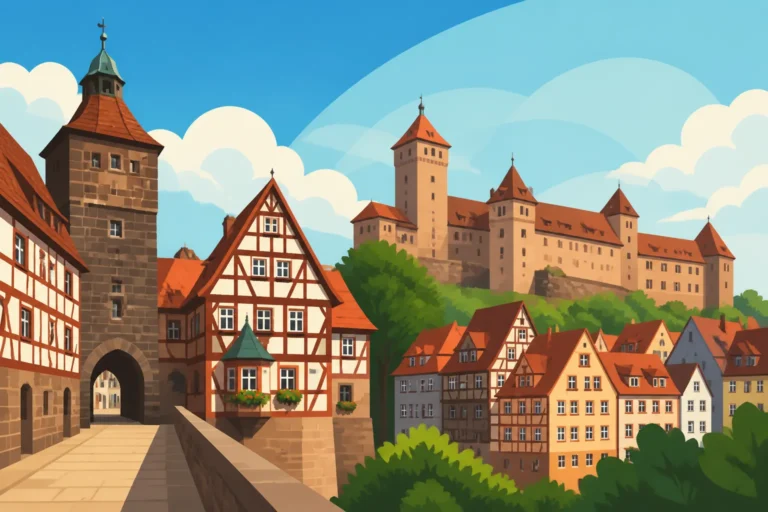
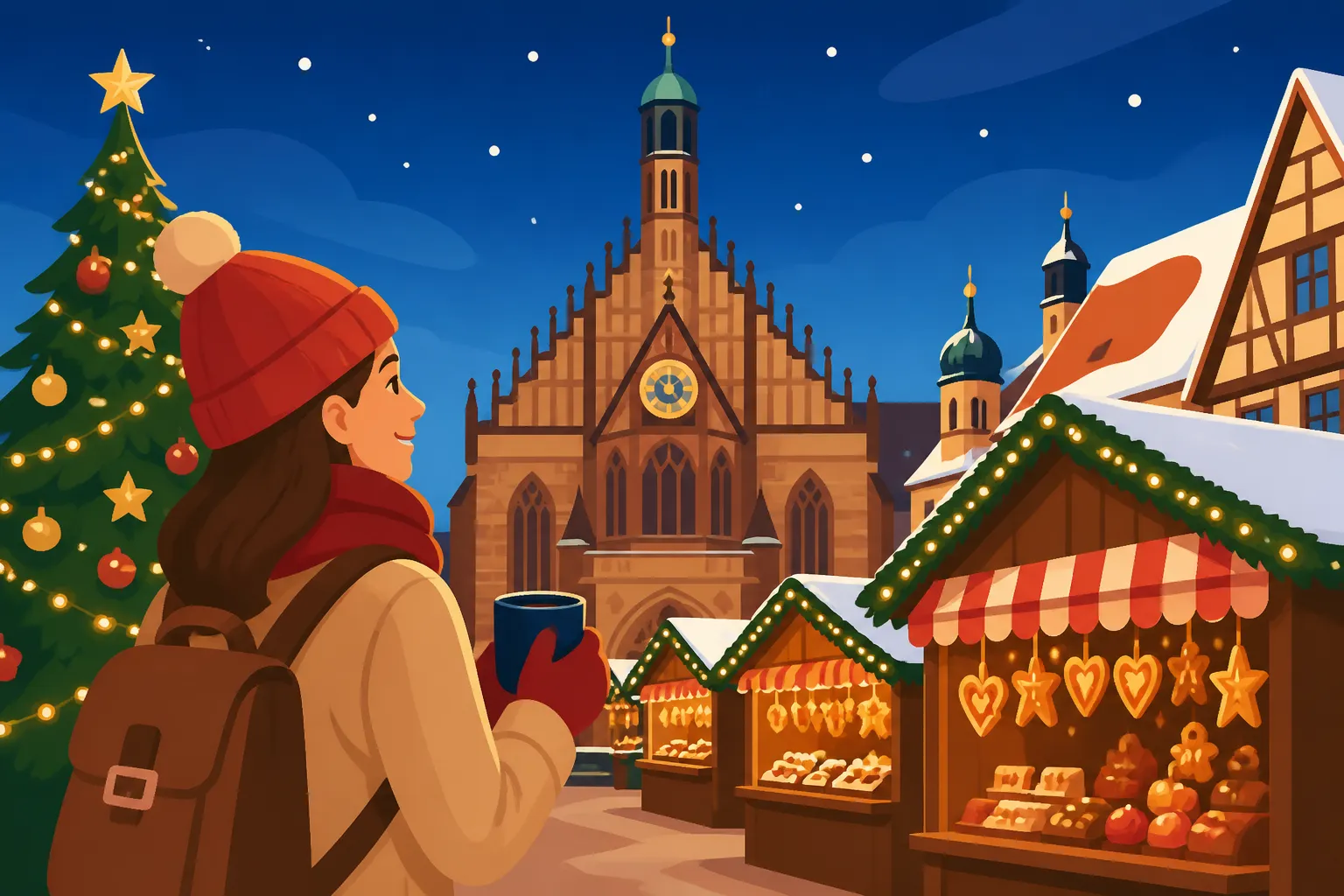
The heart and soul of the Christkindlesmarkt is undoubtedly the Hauptmarkt, Nuremberg's main market square. This grand square, framed by the stunning Gothic architecture of the Frauenkirche (Church of Our Lady) and the ornate Schöner Brunnen (Beautiful Fountain), provides an absolutely breathtaking backdrop for the festive stalls. As you step into the Hauptmarkt, the sheer scale and beauty of the setting immediately transport you, making the entire experience feel larger than life. The twinkling lights strung overhead, the scent of pine and roasted almonds, and the distant sounds of carols all converge here, creating a sensory overload in the best possible way.
Imagine yourself surrounded by hundreds of red-and-white striped wooden stalls, each one a treasure trove of festive delights. The Hauptmarkt truly comes alive during the market season, transforming from a bustling daily market into a magical Christmas village. Finding your way through the market is part of the fun, but it can get incredibly crowded, especially on weekend evenings. It's best to embrace the throng, let yourself be carried along with the flow, and simply soak in the joyous atmosphere. Don't worry about getting lost; the square is big enough that you'll always find a landmark to reorient yourself.
The atmosphere here is something truly special. The air vibrates with a palpable excitement, a mix of childlike wonder and festive bonhomie. Families bundle up, friends clink Glühwein mugs, and everyone seems to share in the collective joy. From the vantage point of the Hauptmarkt, you can admire the intricate details of the Frauenkirche, perhaps even catching the Männleinlaufen mechanical clock show at noon, adding another layer of historical charm to your visit. Navigating the crowds strategically can enhance your experience; consider visiting early in the day or during off-peak hours if you prefer a more leisurely stroll.
Must-Try Delicacies and Crafts
No visit to the Nuremberg Christkindlesmarkt is complete without indulging in its legendary culinary offerings. These aren't just snacks; they're an integral part of the market's identity and a true taste of Bavarian tradition. Prepare your taste buds for an unforgettable journey, because you’re about to discover why people flock here year after year, sometimes just for the food!
First on your list absolutely has to be the Nürnberger Rostbratwürste. These tiny, finger-sized sausages are a local specialty and are protected by EU law, meaning they can only be called "Nürnberger Rostbratwürste" if they are produced within Nuremberg city limits and meet specific criteria. You'll typically find them served "Drei im Weckla" – three sausages in a small, crusty bread roll, slathered with mustard. Trust me, these aren't just hot dogs; they're a flavourful, satisfying bite of history, often grilled right in front of you over a traditional beech wood fire, giving them a distinct smoky aroma.
Next, you absolutely cannot leave without trying Lebkuchen, Nuremberg's famous gingerbread. While gingerbread exists worldwide, Nuremberg's version is particularly special. Companies like the renowned Lebkuchen Schmidt have been perfecting their recipes for centuries. These aren't your crisp, thin gingerbread men; they are often soft, dense, and packed with nuts, candied fruits, and a generous blend of spices, sometimes glazed with chocolate or sugar. You'll find a dizzying array of types, from the classic "Elisen-Lebkuchen" (which must contain at least 25% nuts and no more than 10% flour) to smaller, chocolate-covered varieties. They make fantastic gifts, but I promise, you'll want to stock up for yourself too.
And what about drinks? Of course, it's all about the Glühwein! The German mulled wine is a quintessential Christmas market experience, and Nuremberg's version is particularly aromatic, spiced with cloves, cinnamon, and star anise. You'll find red and white Glühwein, and even versions with a shot of rum or brandy (Glühwein mit Schuss). Remember the Pfand (deposit) system: you pay a small deposit for your mug, which you get back when you return it. Many people, myself included, choose to keep the beautifully designed mugs as souvenirs. You can also find non-alcoholic Kinderpunsch for the little ones or for those avoiding alcohol. It's all part of the quintessential experience of German Christmas Markets: Food, Drinks, and Gifts.
Beyond the food, the Christkindlesmarkt is a treasure trove of traditional crafts. Look for the whimsical Zwetschgenmännle, little figures made from dried prunes, walnuts, and wire. Each one is unique and handmade, representing chimney sweeps, musicians, or other characters. You'll also find beautiful hand-blown glass ornaments, intricate wooden carvings from the Erzgebirge region, and finely crafted candles. Don't miss the opportunity to pick up some high-quality German chocolates, perhaps from a local producer like Rausch Schokolade or other artisanal stalls. These unique crafts are not only beautiful but also carry the story and tradition of German Christmastime with them, making them perfect keepsakes or thoughtful presents.
Planning Your Trip to Nuremberg's Christmas Market
Planning your visit to a popular German Christmas market like Nuremberg's Christkindlesmarkt requires a bit of foresight, especially if you want to soak in the magic without succumbing to overwhelming crowds or sold-out accommodations. Think of it like planning a military operation, but with significantly more Glühwein and vastly less stress.
Best Time to Visit and Avoid Crowds
The Nuremberg Christkindlesmarkt typically opens on the Friday before the first Advent and runs until Christmas Eve, December 24th. The exact dates shift slightly each year, so it's always wise to check the official Nuremberg tourism website for the current year's schedule. This generally means you have about four weeks to visit, but not all weeks are created equal when it comes to crowds. My biggest tip? If you can swing it, aim for a weekday morning or early afternoon.
Weekends, especially Saturday evenings, are absolutely packed. While there's a certain energy in being part of the bustling crowd, it can quickly become less enjoyable when you're jostling for space or queuing for twenty minutes just for a Glühwein. Weekday visits offer a much more relaxed experience, allowing you to browse the stalls at your leisure, take photos without a sea of heads in the way, and truly appreciate the intricate details of the market. The lights are just as magical, and the atmosphere, while calmer, is still wonderfully festive.
If you simply can't avoid a weekend, try to go right when the market opens in the morning. You'll catch the vendors setting up, experience a quieter moment of reflection, and still get to enjoy the festive vibes. The week leading up to Christmas is also incredibly busy, as locals and tourists alike make their final holiday preparations. The opening weekend, with the Christkind's prologue, is another peak time, brimming with anticipation and excitement, but also immense crowds. It's a fantastic experience, but brace yourself for the masses.
For a slightly different experience, consider visiting the smaller, adjacent markets. The Children's Christmas Market (Kinderweihnacht) and the Market of Sister Cities (Markt der Partnerstädte) offer charming alternatives with fewer people and their own unique offerings. These can be great spots to retreat to if the main Hauptmarkt becomes too overwhelming. Ultimately, a successful visit hinges on managing your expectations about crowd levels and being strategic with your timing, especially if you're sensitive to large gatherings. After all, the market is usually open from 10 AM to 9 PM, so you have plenty of time to find your sweet spot.
Getting There: Travel Options to Nuremberg
Nuremberg is a well-connected city, making it relatively easy to reach regardless of whether you're coming from within Germany or abroad. Your travel choice will largely depend on your starting point and personal preferences.
If you're flying in from further afield, Nuremberg has its own international airport (NUE), which is small and convenient, with direct connections to several European cities. Alternatively, you could fly into larger hubs like Frankfurt (FRA) or Munich (MUC) and then take a direct train to Nuremberg. Frankfurt Airport, for example, has an excellent long-distance train station, making the onward journey seamless. Many expats flying into Germany will choose one of these larger airports for wider flight options.
For travel within Germany or from neighbouring countries, the Deutsche Bahn (DB) train service is often the most comfortable and efficient option. Nuremberg Hauptbahnhof (main train station) is a major ICE (Intercity-Express) hub, connecting it to virtually every major German city. Train journeys are generally reliable, and the scenery can be lovely, especially when passing through snow-dusted landscapes in winter. I highly recommend booking your train tickets in advance, especially during the busy Christmas season, to secure better prices and preferred seating. Websites like Omio are fantastic for comparing train, bus, and even flight options, allowing you to find the most convenient and cost-effective route in one go. You can also explore my guide on How to Buy Deutsche Bahn Tickets and Save Money for more detailed tips.
Driving to Nuremberg is an option, but be warned: parking can be a significant challenge, especially during the market season. The city center is largely pedestrianized, and parking garages fill up quickly and can be expensive. If you do drive, consider parking at a park-and-ride facility on the outskirts of the city and taking public transport into the center. Once you're in Nuremberg, the efficient local public transport system (VGN) with its U-Bahn (subway), S-Bahn (urban rail), trams, and buses will get you everywhere you need to go. Remember, winter conditions can sometimes affect road travel, so trains often offer more peace of mind.
Another budget-friendly option, particularly for travel from other German cities or nearby European destinations, is long-distance buses like FlixBus. While slower than trains, they often offer competitive prices and direct routes. This can be a great choice if you're on a tighter budget and have some flexibility with your travel time. Whichever mode of transport you choose, planning ahead is the key to a smooth journey to this festive destination.
Accommodation: Where to Stay in Nuremberg
Finding the perfect place to lay your head after a day of Glühwein and Christmas cheer is crucial for a successful trip to Nuremberg. As you can imagine, hotel rooms, Airbnbs, and guesthouses get booked up incredibly fast for the Christkindlesmarkt season, so early booking isn't just a suggestion – it's an absolute necessity. I've heard too many tales of woe from friends who left it too late and ended up either paying exorbitant prices or staying miles outside the city!
Your best bet for finding a wide range of options and securing a good deal is to use reliable booking platforms like Booking.com. They offer everything from luxurious hotels overlooking the Hauptmarkt to cozy guesthouses and modern apartments, catering to various budgets and preferences. The closer you want to be to the main market, the higher the prices will be, and the faster they'll disappear. Hotels right in the old town or within a short walking distance of the Hauptmarkt are prime locations, offering the convenience of being able to pop back for a warm-up or to drop off your shopping.
Consider your priorities. Do you want to be right in the thick of it, or would you prefer a quieter stay a little further out with excellent public transport links? Nuremberg's public transport system is very efficient, so staying a few U-Bahn stops away from the city center is often a perfectly viable and more affordable option. Areas like St. Johannis or even just across the river from the old town can offer lovely, more residential vibes while still being easily accessible. These neighborhoods often have their own charm, with local bakeries and smaller shops, giving you a glimpse of everyday German life outside the main tourist drag.
If you're on a budget, consider looking into hostels or even staying in a nearby town and commuting in. However, for the full festive immersion, I really do recommend trying to secure something within Nuremberg itself. Types of accommodation vary widely, from quaint boutique hotels housed in historic buildings to larger international chains, and even traditional Gasthöfe (inns) that offer a more authentic German experience. Just make sure to read reviews about heating and noise, as older buildings can sometimes have their quirks. For those looking to explore more of Bavaria, pairing your Nuremberg visit with a Day Trips From Munich could extend your festive journey.
Remember, the Christmas market period is one of the busiest times of the year for tourism in Nuremberg, so prices will naturally be higher than off-season. Booking at least 4-6 months in advance is not overkill; it's smart planning. If you're traveling with family or a larger group, look into apartments or family-friendly hotels that offer more space. A comfortable base will make all the difference to your Christkindlesmarkt adventure.
Making the Most of Your Christkindlesmarkt Experience
Once you've arrived and settled in, it's time to dive headfirst into the magic of the Nuremberg Christkindlesmarkt! While simply wandering around is a joy in itself, a little bit of planning can ensure you don't miss any of the unique attractions and traditions that make this market so special.
Navigating the Market and Nearby Attractions
The Christkindlesmarkt is centered primarily on the Hauptmarkt, but its festive atmosphere spills over into the surrounding streets and squares of the old town. While the main market is fairly easy to navigate, with stalls set up in rows, it's worth picking up a free map from one of the tourist information points or downloading one onto your phone. This will help you identify key areas, find specific types of stalls, and locate restrooms (a crucial piece of information after a few Glühweins!). Don't forget to look out for the iconic red and white striped awnings of the market stalls, which are a signature of Nuremberg's market.
Beyond the main square, a must-visit is the Handwerkerhof (Craftsmen's Courtyard), located right opposite the main train station. This charming, medieval-style village within the city walls houses small workshops where artisans demonstrate and sell their traditional crafts, from glass blowers to pewter casters. It’s a wonderful place to find unique, handmade souvenirs and watch skilled craftspeople at work. It feels a bit like stepping back in time and offers a slightly less crowded, more intimate shopping experience than the main market.
Nuremberg itself is a city steeped in history, and you'd be remiss not to explore some of its other significant sights. The majestic Nuremberg Castle (Kaiserburg), perched atop a sandstone rock, offers incredible panoramic views of the city, especially beautiful when dotted with festive lights. The Documentation Center Nazi Party Rally Grounds provides a sobering but essential insight into a darker chapter of German history. And the beautiful churches, such as St. Lorenz Church and the aforementioned Frauenkirche, are architectural marvels worth stepping inside. Nuremberg's compact old town makes it highly walkable, but for longer distances or tired feet, the U-Bahn and tram system are your friends, offering easy connections across the city. For a deeper dive into the city's historical sites, consider exploring options on GetYourGuide, which offers various walking tours and guided experiences that can bring Nuremberg's past to life.
If you're pressed for time or prefer a structured approach, booking a guided tour can really optimize your sightseeing. Many tours focus specifically on the Christmas market's history and culinary delights, while others combine it with the city's broader historical narrative. This can be a great way to gain context and discover hidden gems you might otherwise miss. Remember, while the market is the star, Nuremberg offers so much more, making it a fantastic destination for a full winter getaway.
Practical Tips for a Smooth Visit
To truly enjoy the Christkindlesmarkt without any unnecessary hiccups, a few practical considerations will go a long way. As an expat who’s weathered many a German winter, trust me on these!
First and foremost: dress warmly! December in Nuremberg can be bitterly cold, with temperatures often hovering around freezing or dropping below. Layers are your best friend – thermal underwear, a warm sweater, a heavy winter coat, a scarf, gloves, and a hat are essential. Nothing sours a festive mood faster than numb fingers and toes. Waterproof footwear is also a good idea, as you might encounter slush or rain. Think about Visiting Germany in Winter: Christmas Markets and Snow for more tips on staying comfortable in the cold.
When it comes to money, Germany, and particularly its markets, still leans heavily on cash. While some larger stalls or shops might accept card payments, many smaller vendors at the Christkindlesmarkt will prefer or even only accept cash. It's always a good idea to carry a decent amount of small euro denominations with you to avoid fumbling for change. And don't forget the Pfand system for your Glühwein mugs! You'll pay a small deposit (usually €2-€4) which you get back when you return your mug. However, many people choose to keep the decorative mugs as a souvenir. If you're curious about Germany's payment habits, check out my article on Using Cash vs Card in Germany: Is Germany Going Cashless?.
Crowded places, unfortunately, can sometimes attract pickpockets. While Nuremberg is generally a safe city, it's wise to be vigilant in dense areas like the Christkindlesmarkt. Keep your valuables secure in an inside pocket or a cross-body bag worn to the front. Don't flash large amounts of cash, and be aware of your surroundings. A little common sense goes a long way in ensuring your belongings stay safe.
Finally, while many vendors and service staff, especially in tourist-heavy areas, speak English, making an effort to use a few German phrases will always be appreciated. Even a simple "Danke" (thank you) or "Bitte" (please) can make a difference. Learning a few key phrases like "Frohe Weihnachten" (Merry Christmas), "Ein Glühwein, bitte" (One mulled wine, please), or "Was kostet das?" (How much does this cost?) will enhance your interactions. My guide on Survival German for Travelers: Key Phrases to Learn First can give you a head start!
Beyond the Main Market: Other Festive Activities
While the Christkindlesmarkt on the Hauptmarkt is undeniably the star of the show, Nuremberg offers a whole constellation of other festive activities that are well worth exploring. Venturing beyond the main square allows you to discover different facets of the city’s holiday charm and can sometimes provide a welcome respite from the crowds.
One absolute must-see, especially if you're visiting with children or simply have a youthful spirit, is the Children's Christmas Market (Kinderweihnacht). Located just adjacent to the main market, it’s designed specifically for younger visitors. Here, you'll find charming carousels, a miniature Ferris wheel, and a nostalgic steam train, all creating a wonderfully enchanting atmosphere. Kids can bake their own gingerbread, try traditional craft activities, and even meet the Christkind herself during her special visits. It’s a delightful, whimsical extension of the main market that provides a more relaxed environment for families.
Another unique gem is the Market of Sister Cities (Markt der Partnerstädte), which brings an international flavor to Nuremberg’s Christmas celebrations. This market features stalls from Nuremberg's sister cities around the world, offering traditional goods and culinary specialties from places like Prague, Glasgow, Venice, and even cities further afield. It's fascinating to explore the diverse Christmas traditions and find unique gifts you won't see anywhere else in Germany. You might try Polish pierogi, French crêpes, or Scottish shortbread, all while learning a bit about Nuremberg's global connections.
Beyond the dedicated markets, Nuremberg's cultural scene doesn't hibernate for Christmas. Keep an eye out for local carol concerts in the churches, special holiday performances at the Nuremberg State Theatre, or even ice-skating rinks that pop up in various squares. Many local restaurants also offer special festive menus during December, providing a warm and cozy dining experience away from the market hustle. Exploring these additional activities truly rounds out your visit, allowing you to experience the full breadth of Nuremberg's holiday spirit and perhaps uncover some unexpected delights. Don't forget to savor the local cuisine beyond the market stalls; my guide to German Food Culture: Eating and Drinking as a Visitor can offer more insights into the region's culinary treasures.
Disclaimer
Please remember that while I strive to provide accurate and up-to-date information, circumstances in Germany, such as opening hours, prices, or specific regulations, can change. It's always a good idea to cross-reference details with official sources, like the Nuremberg tourism website, closer to your travel date. This guide is for informational purposes only and does not constitute professional advice.