Why Are Shops Closed on Sundays in Germany?
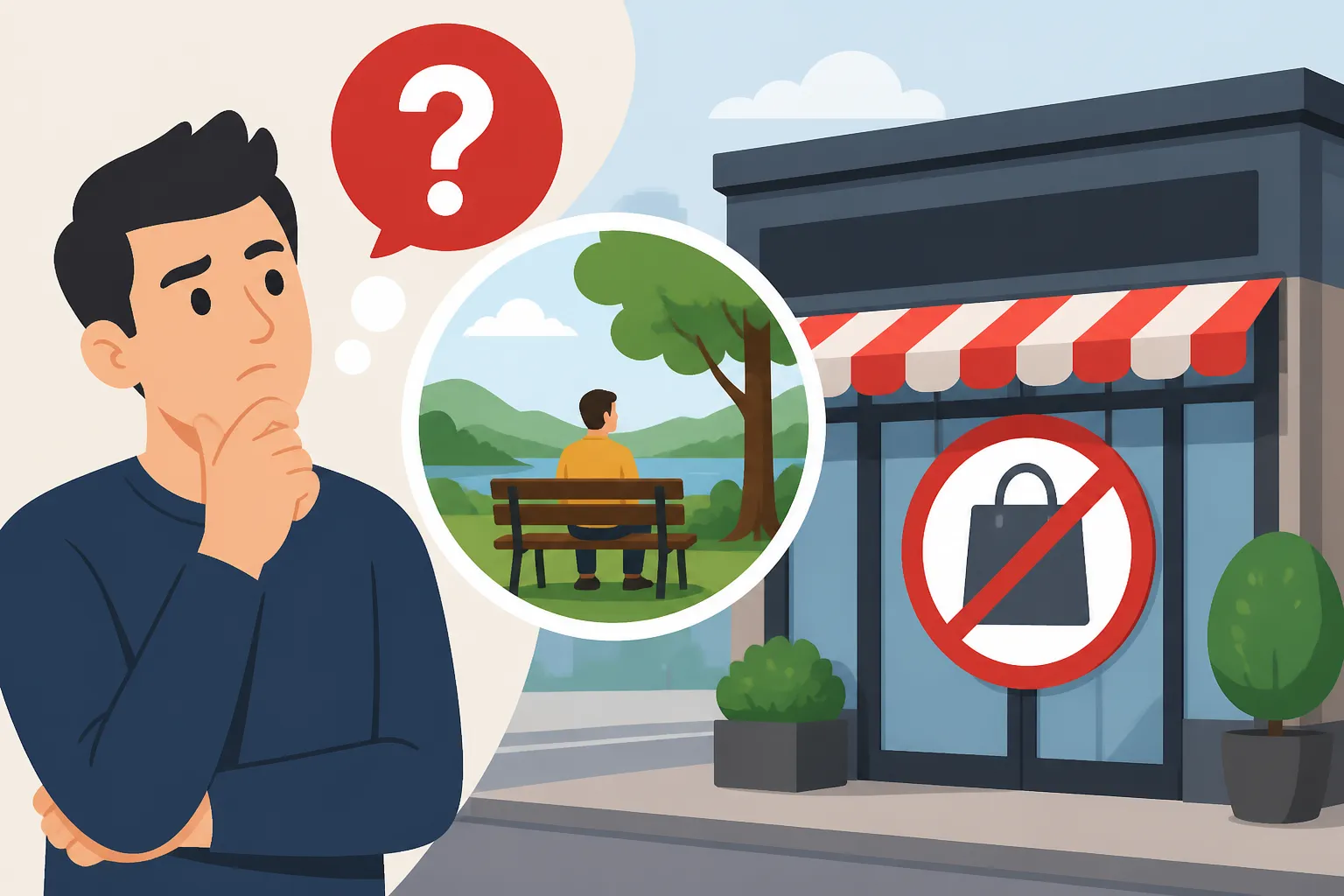
Ah, the German Sunday. For many of us who've moved here, it's one of the first, and often most bewildering, cultural quirks we encounter. You've had a busy week, Saturday was for errands, and now you just need that one thing from the store, only to find everything, absolutely everything, locked up tighter than a drum. Frustrating, right? This guide is here to shed some light on why Germany largely shuts down on Sundays and how you can master this unique rhythm of life.
Disclosure: This post may contain affiliate links. We may earn a commission at no extra cost to you if you make a purchase through these links. Read full disclosure.
The Deep Roots: Why Germany Cherishes Its "Ruhetag"
The quiet hum of a German Sunday, often punctuated only by church bells or the distant laughter from a park, isn't just a quaint tradition; it's deeply embedded in the country's legal and social fabric. Unlike many other nations where Sundays are just another bustling shopping day, Germany actively protects it as a day of rest and recuperation, a concept known as "Ruhetag." This isn't some arbitrary decision; it stems from centuries of history and a fierce commitment to work-life balance.
The "Feiertagsgesetz" and "Ladenschlussgesetz"
The primary legal framework behind Sunday closures comes from a combination of federal and state laws. At the federal level, the German Basic Law (Grundgesetz) itself enshrines Sunday and public holidays as days of rest and spiritual upliftment (Article 139 of the Weimar Constitution, still active via Article 140 of the Grundgesetz). This is a pretty significant constitutional protection, making it incredibly difficult to change.
Then, there's the "Ladenschlussgesetz" – literally "shop closing law." While the federal government used to have a stricter version, most of the power to regulate shop opening hours has been devolved to the individual federal states (Bundesländer) since 2006. This means that while the general principle of Sunday closure is universal, the exact nuances and specific exceptions can vary slightly from state to state. For instance, a small town in Bavaria might have slightly different rules for tourist shops than a bustling city in North Rhine-Westphalia, though the core "no shopping on Sunday" rule remains. This legal backing is incredibly strong, backed not just by tradition but also by the powerful influence of trade unions and worker protection organizations who advocate for this day of rest for all employees. It means that any attempt to loosen these laws is usually met with significant resistance, highlighting how deeply Germans value this collective pause. Understanding how these laws affect various aspects of daily life, including those governed by German Public Holidays: How They Affect Life and Work, is crucial for anyone living here.
Religious and Social Traditions
Beyond the legal texts, the concept of Sunday as a day of rest is deeply rooted in Germany's Christian heritage. Historically, Sunday was the Lord's Day, meant for church attendance, family time, and quiet contemplation. Even in today's increasingly secular society, the echoes of this tradition are strong. It's not just about church, though; it's evolved into a fundamental social expectation.
This cultural norm means Sundays are reserved for activities like spending time with family and friends, going for walks in nature, visiting museums, or simply relaxing at home. It’s a collective agreement, almost an unspoken contract, that allows everyone to step off the hamster wheel of consumerism for a day. For many Germans, the calm and quiet of Sunday is a cherished aspect of their quality of life, a stark contrast to the relentless pace of shopping and commerce in other parts of the world. This collective mindset can be a bit of a culture shock for expats, but once you lean into it, you might find yourself appreciating the forced downtime, giving you a chance to explore Day Trips and Weekend Getaways Across Germany or simply enjoy the tranquility of your neighborhood.
Navigating the Sunday Silence: What's Open and What's Not
So, with the legal and historical context laid out, let's get down to the brass tacks: what exactly does this mean for your Sunday plans, and where can you turn if you truly need something? It's not a complete shutdown, but knowing the rules of engagement is key to avoiding frustration.
The General Rule: Retail Shops and Supermarkets
Here’s the simple truth: almost all retail shops, including your beloved supermarkets like Edeka, Rewe, Aldi, Lidl, and the department stores you rely on during the week, will be closed on Sundays. This includes clothing stores, electronics shops, hardware stores, furniture shops, and most general convenience stores. If you didn't buy it on Saturday, you're usually out of luck until Monday morning. This can be a real shock if you're used to 24/7 convenience stores or late-night shopping, and it's where many expats first feel the Sunday pinch. Planning your Navigating German Supermarkets: Grocery Shopping Tips and Tricks on Saturday is paramount to a relaxed Sunday.
This strict adherence to "Ruhetag" means you have to adapt your weekly routine. Forget popping out for a forgotten ingredient for Sunday dinner; that ingredient will simply remain forgotten until the next day. This forces a different kind of planning, making you think ahead about your meals and necessities. It truly pushes you to embrace a slower pace, whether you like it or not!
Exceptions to the Rule: What You CAN Find Open
Thankfully, Germany isn't completely locked down. There are specific, legally defined exceptions, usually catering to essential needs, travelers, or leisure activities. Knowing these can be a lifesaver in a pinch:
- Train Stations (Bahnhöfe) and Airports (Flughäfen): These are your best friends on a Sunday. Due to their role in facilitating travel, shops within major train stations (like Berlin Hauptbahnhof, Munich Hauptbahnhof, or Frankfurt Airport) are often open. You'll find small supermarkets (like Edeka or Rewe To Go), bakeries, pharmacies, newsagents, and sometimes even small clothing or souvenir shops. These are designed to serve travelers but are accessible to anyone.
- Petrol Stations (Tankstellen): Most petrol stations have small convenience stores attached. While pricier than a supermarket, they're open 24/7 and often carry basic groceries like milk, bread, snacks, drinks, and some toiletries. Perfect for that emergency pint of milk.
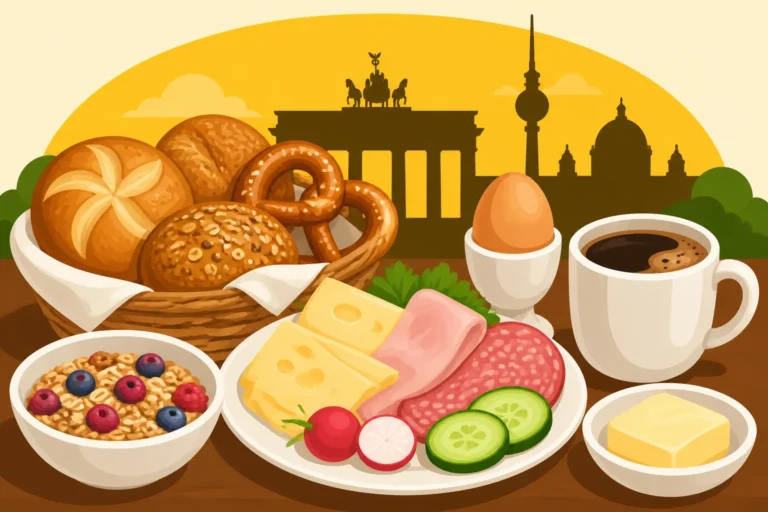
- Bakeries (Bäckereien): Many independent bakeries, especially in residential areas, open for a few hours on Sunday morning, typically from around 8 AM to 12 PM or 1 PM. This allows Germans to pick up fresh bread rolls (Brötchen) for their traditional Sunday breakfast. Be prepared for queues, especially at popular spots!
- Cafés and Restaurants: These are generally open for business, ready to serve your Sunday brunch, lunch, or dinner. In fact, Sunday is a prime day for dining out, meeting friends for coffee and cake, or enjoying a leisurely meal. German Food Culture: Eating and Drinking as a Visitor often involves these Sunday rituals.
- Pharmacies (Apotheken): While regular pharmacies are closed, there's always an emergency pharmacy (Notdienst Apotheke) on duty. These operate on a rotating schedule, and you can usually find the nearest open one listed on the door of any closed pharmacy, online, or by calling the national emergency pharmacy hotline (often 0800 00 22 8 33). This is crucial for urgent medical needs, and you can find more detailed information on the Emergency Pharmacy Finder: Getting Medicine After Hours in Germany.
- Museums, Theaters, Cinemas, and Leisure Facilities: Cultural institutions and entertainment venues are typically open, making Sunday a fantastic day to soak up some art, history, or catch a movie.
- Botanical Gardens, Zoos, Parks, and Outdoor Attractions: Perfect for a family outing or a relaxing stroll.
"Verkaufsoffener Sonntag" (Open Shopping Sundays)
This is a rare but welcome exception. "Verkaufsoffener Sonntag" are special designated Sundays when shops are allowed to open, usually for a limited number of hours (e.g., 1 PM to 6 PM). These events are strictly regulated and usually tied to a local festival, fair, or a significant cultural event in the city or town.
Each municipality decides on these dates, and they are few and far between – typically only two to four times a year. When they happen, they're a big deal, and the streets will be bustling! You'll often see these advertised well in advance with signs in shop windows or local newspapers. They are a great opportunity to get some shopping done without the usual weekday rush, but don't count on them regularly.
Here's a quick overview of what to expect on a German Sunday:
| Category | Typically Open on Sundays? | Notes |
|---|---|---|
| Supermarkets | No | Except small ones in major train stations/airports, or petrol station shops (limited selection). |
| Retail Stores (Clothing, etc.) | No | Except during designated "Verkaufsoffener Sonntag" (rare). |
| Bakeries | Yes (limited hours) | Usually Sunday mornings, expect queues. |
| Pharmacies | No (regular) | Emergency pharmacies (Notdienst Apotheke) are always available via rotation. |
| Restaurants & Cafés | Yes | Many offer brunch. Good for leisure and socialising. |
| Museums & Galleries | Yes | Popular day for cultural visits. |
| Cinemas & Theaters | Yes | Entertainment options are generally open. |
| Petrol Stations | Yes (24/7) | Small convenience store attached, higher prices for essentials. |
| Train Station Shops | Yes (limited hours) | Small supermarkets, bakeries, newsagents, pharmacies often available. |
| Airports | Yes | Wide range of shops open, catering to travelers. |
| Hairdressers, Salons | No | Service businesses like these are closed. |
Making Peace with the Pause: Tips for a Stress-Free German Sunday
Initially, the strict Sunday closures can feel like a major inconvenience, a constant reminder of how things are "different" here. But trust me, as an expat who's been here a while, you learn to adapt, and sometimes, you even start to appreciate it. It forces you to slow down, to engage with your environment differently, and to really plan your time.
Planning Ahead: Your Weekend Grocery Run
This is probably the most crucial tip for survival in Germany. Saturdays are the day for shopping. Your local supermarket will be packed, especially in the afternoon, as everyone rushes to stock up for the weekend. Embrace it. Get your main grocery shopping done by Saturday afternoon at the latest. Make a list, stick to it, and buy everything you'll need for Sunday meals and any Monday morning essentials. This upfront planning prevents that desperate Sunday scramble for bread or coffee. Remember that Cost of Living in Germany: Budgeting Guide for Expats also involves factoring in potentially higher prices at emergency Sunday shops if you forget something.
Consider trying online grocery delivery services if they operate in your area, but even they often have limited or no delivery slots for Sunday. So, Saturday remains king for food shopping.
Emergency Shopping: Where to Go in a Pinch
Even with the best intentions, we all forget things. It happens! When that moment strikes on a Sunday, your go-to places will be:
- Large Train Stations: As mentioned, places like Berlin Hauptbahnhof, Munich Hauptbahnhof, or Frankfurt Flughafen (airport) are hubs where you'll find small supermarkets, bakeries, and even pharmacies open. If you live in a major city, checking the operating hours for the shops at the central station is a smart move. When travelling across the country, keep an eye out for these essential spots, perhaps using platforms like Omio to check train schedules and station layouts in advance.
- Petrol Stations: For absolute essentials like milk, bread, a forgotten bottle of wine, or basic toiletries, the petrol station shop is your last resort. It's more expensive, but it's there.
- Emergency Pharmacies (Notdienst Apotheke): For medication, always rely on the rotating emergency service. Don't be shy about using it if you need to; it's what it's there for.
- Local Bakeries: For fresh bread and pastries, don't forget the local "Bäcker" in the morning.
Remember, these are for emergencies or specific convenience items, not for your weekly haul.
Making the Most of Your German Sunday
Instead of viewing Sunday closures as an inconvenience, try to see them as an opportunity. Germany's Sunday culture encourages a different pace of life, one that many find incredibly refreshing once they get used to it.
- Embrace Nature: Germany boasts incredible landscapes. Use Sundays for long walks in a nearby forest (Waldspaziergang), cycle along a river, or visit a botanical garden. The parks will be full of families enjoying the fresh air.
- Cultural Immersion: Museums, art galleries, castles, and historical sites are typically open. Use platforms like GetYourGuide to discover local tours and unique attractions near you. Spend the day exploring German history and art, perhaps finally getting around to seeing that famous painting or exploring that medieval castle you've heard about.
- Socialize: Sundays are prime time for meeting friends at a café for "Kaffee und Kuchen" (coffee and cake), having a leisurely brunch, or gathering for a home-cooked meal. It's a day for genuine connection without the distraction of errands.
- Relax and Recharge: Read a book, listen to music, pursue a hobby, or simply enjoy the quiet. The forced downtime can be a mental reset button after a busy week.
- Plan Future Adventures: Use the calm of Sunday to plan your next trip within Germany or beyond. Whether it's mapping out train routes with Deutsche Bahn Guide: Using Trains for City and Long-Distance Travel or looking up hotels on Booking.com for a weekend getaway, it's a great time for future planning.
Ultimately, Sunday in Germany is a time to hit the pause button. It might take some getting used to, but once you embrace the rhythm, you might just find yourself looking forward to the peaceful, shop-free day.
Disclaimer
The information provided in this article is intended for general guidance and informational purposes only. While we strive to provide accurate and up-to-date information, laws and regulations in Germany, especially those concerning shop opening hours ("Ladenschlussgesetz"), can vary by federal state and may be subject to change. It is always advisable to check local ordinances or specific business operating hours, especially for public holidays or "Verkaufsoffener Sonntag," before making plans. This content does not constitute legal or professional advice.