Deutschlandticket for Tourists: Can Short-Stay Visitors Actually Use It?
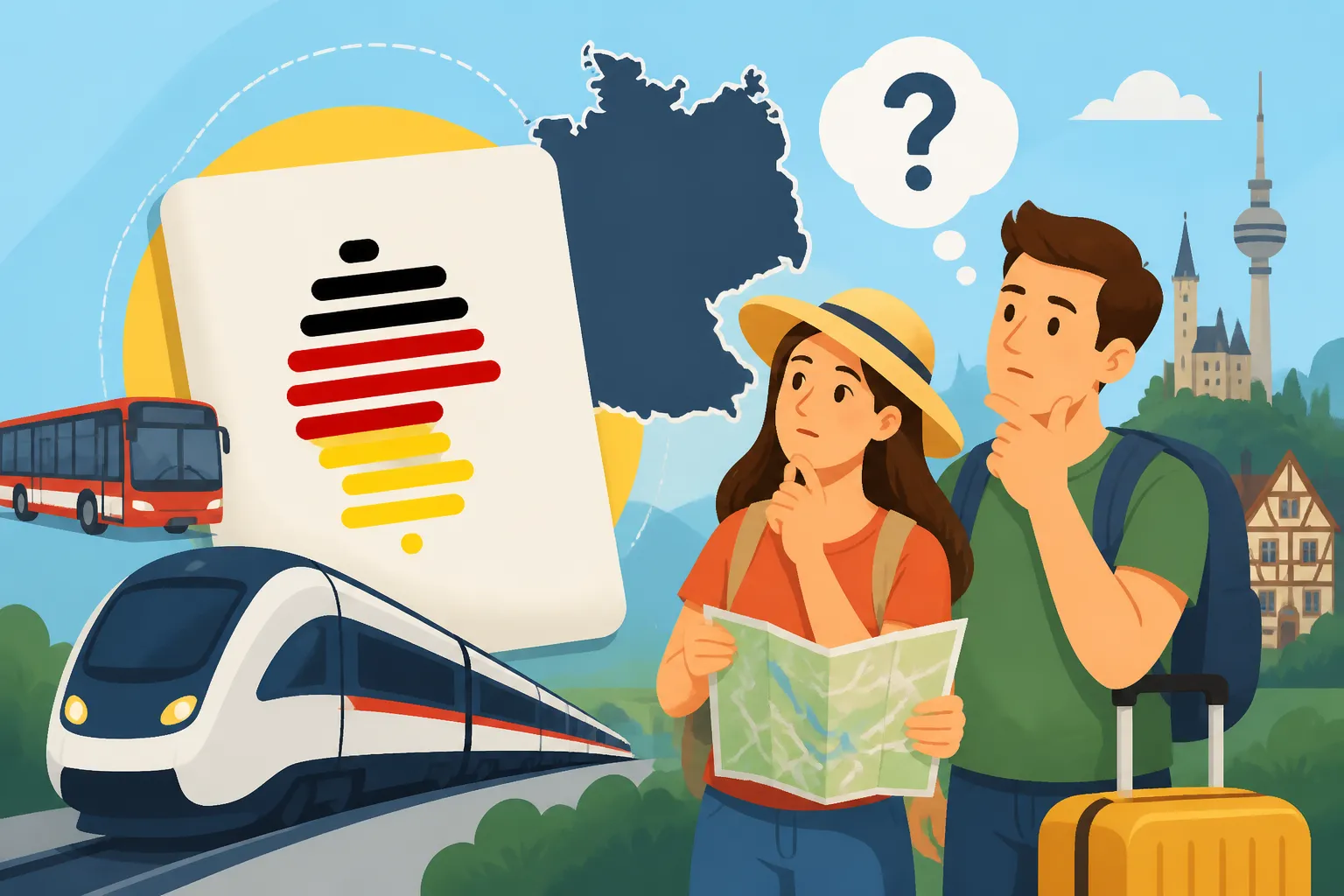
Oh, the Deutschlandticket! When it first rolled out, it promised a revolution in German public transport, and for many expats like myself, it delivered. One simple €49 ticket covering nearly all local and regional transport across the entire country? It sounded like a dream, especially compared to the labyrinthine tariff systems of yesteryear. But for you lovely tourists and short-stay visitors, a big question mark hung over it: Can I actually use this thing without getting tangled in German bureaucracy? The good news is, yes, you can, and in this guide, I’m going to walk you through exactly how, focusing on how a platform like Omio can be your secret weapon to unlock seamless, affordable travel across Germany.
Disclosure: This post may contain affiliate links. We may earn a commission at no extra cost to you if you make a purchase through these links. Read full disclosure.
What Exactly is the Deutschlandticket (Germany Ticket)?
Let's dive right in. The Deutschlandticket, or "D-Ticket" as some call it, exploded onto the scene in May 2023. It wasn't just another fare increase or complicated regional pass; it was a nationwide flat-rate ticket designed to make public transport more appealing, reduce carbon emissions, and frankly, simplify life for commuters. Before this, planning a trip across federal states often meant grappling with multiple transport associations, different ticket machines, and a constant fear of accidentally getting on the wrong train or bus and facing a hefty fine. The Deutschlandticket was a breath of fresh air, consolidating nearly all local and regional public transport under one affordable monthly price.
A Brief History and Purpose
The concept of a simplified, nationwide public transport ticket actually gained traction during the energy crisis, when the "9-Euro-Ticket" was introduced in summer 2022 as a temporary relief measure. It was incredibly popular, sparking conversations about making affordable public transport a permanent fixture. The Deutschlandticket was born from that success, aiming to be a sustainable, long-term solution.
Its core purpose was twofold: first, to encourage more people to use public transport by making it cheaper and easier than driving, thus contributing to climate protection. Second, it was a massive effort to streamline the German transport landscape, which, bless its heart, was known for its bewildering array of regional tariffs and associations. As an expat who's spent years trying to decipher the intricacies of local tickets just to get across town, I can tell you the relief of having one simple ticket is immense. It's a genuine effort to reduce the administrative burden on travelers and make Germany more accessible.
What the Deutschlandticket Covers (and Doesn't Cover)
So, what exactly can you ride with this magical €49 ticket? The answer is most local and regional public transport throughout Germany. This includes:
- Regional trains (RE, RB, S-Bahn): These are the backbone of inter-city travel outside of the high-speed network, connecting smaller towns and regions, and forming the commuter lines in major metropolitan areas.
- City transport (U-Bahn, Trams, Buses): Within any city or town in Germany, your Deutschlandticket is your golden key to their entire local network. Whether you're navigating Berlin's U-Bahn, Munich's trams, or Hamburg's buses, you're covered. This is truly where its value shines for tourists exploring a city in depth or planning Day Trips From Berlin using local lines.
What it does NOT cover is equally important to understand:
- High-speed trains (ICE, IC, EC): This is the biggest caveat. The Deutschlandticket explicitly excludes long-distance, inter-city express trains operated by Deutsche Bahn (DB). These are the trains you'd take for rapid travel between major cities like Berlin, Munich, or Frankfurt. If you're planning on zipping across the country in a few hours, you'll still need to buy separate tickets for the ICE. To understand more about these faster options, check out guides like High-Speed Trains in Germany (ICE): Deutsche Bahn Routes and Savings or How to Buy Deutsche Bahn Tickets and Save Money.
- Long-distance buses (e.g., FlixBus): While excellent for budget travel, companies like FlixBus operate independently and are not part of the Deutschlandticket scheme.
- Private tourist trains or special historic lines: These are usually niche services and fall outside the general public transport network.
- First-class travel: The Deutschlandticket is for 2nd class only.
Essentially, think of it this way: if it's a "regional" train or local city transport, you're good. If it's a speedy, air-conditioned beast designed to cover hundreds of kilometers in a flash, you'll need another ticket. This distinction is crucial for planning your How to Plan a Germany Itinerary by Train.
The Catch: Why the Deutschlandticket Wasn't Designed for Tourists (Initially)
Now, here's where the plot thickened for a while, especially for those of you visiting from abroad. While the Deutschlandticket itself is a fantastic initiative, its original implementation had some significant hurdles for non-residents and short-stay visitors. It wasn't explicitly against tourists, but it certainly wasn't for them in its initial setup.
Subscription Model & Monthly Billing
The biggest "gotcha" for tourists was its nature as a monthly subscription. This isn't a single-use ticket you buy for a few days; it's designed for residents and commuters to pay monthly. This means:
- Automatic Renewal: Once you buy it, it automatically renews at the beginning of each calendar month. If you buy it on, say, the 15th of June, you're paying for the entire month of June, and it will automatically charge you for July unless you explicitly cancel. This is not ideal if you're only visiting for a week or two.
- Cancellation Deadlines: To avoid being charged for the next month, you typically have to cancel by a specific date, usually the 10th or 20th of the preceding month, depending on the provider. Missing this deadline means you're on the hook for another month's payment. Imagine arriving on July 1st, buying the ticket, and then realizing you have to cancel by July 10th for August – a tight window you might easily miss while sightseeing!
This subscription model made it a logistical nightmare for many tourists, who just wanted to enjoy their vacation without adding "cancel German transport subscription" to their to-do list.
German Bank Account and Address Requirements
Adding another layer of complexity were the typical purchasing requirements. Most local transport providers (like BVG in Berlin, MVV in Munich, or HVV in Hamburg) that offered the Deutschlandticket initially demanded:
- A German IBAN (bank account): This is a standard for many German subscriptions and contracts. For a tourist, getting a German bank account for a short trip is simply not feasible. You'd need to go through the whole process of opening an account, which involves German address registration (Anmeldung), and a lot of paperwork – something I talk about extensively in my Opening a Bank Account in Germany: Step-by-Step for Newcomers guide.
- A German residential address: Again, standard for a subscription, but a challenge for someone staying in hotels or short-term rentals.
- German language skills: While not a strict requirement for purchase, many online portals and customer service lines were primarily in German, making navigation tricky for non-speakers.
These barriers effectively locked out most short-term international visitors, which was a real shame, as the ticket itself offers incredible value. Tourists simply needed an easier, more flexible way to access it.
How Tourists Can Actually Use the Deutschlandticket (and Why Omio is Your Best Bet)
The good news, dear travelers, is that the situation has improved dramatically, thanks to a few forward-thinking providers who understood the tourist dilemma. You absolutely can use the Deutschlandticket for your short-stay visit to Germany, and the most straightforward way to do it is through a platform like Omio. This is where your travel planning gets significantly easier.
The Digital Purchase & Cancellation Solution: Enter Omio
Omio has emerged as the hero for international visitors wanting to tap into the Deutschlandticket's value without the usual headaches. They've built a system that directly addresses the pain points I just mentioned:
- No German Bank Account or Address Needed: This is the game-changer. Omio allows you to purchase the Deutschlandticket using international credit cards (Visa, Mastercard, etc.) and doesn't require a German IBAN or a local residential address. You can buy it from anywhere in the world before you even land in Germany.
- Simplified Digital Process: The entire purchase is done online or through their app. You get a digital ticket, usually as a QR code or barcode on your smartphone, which is what you'd show if asked by a ticket inspector. This saves you from fumbling with physical tickets or deciphering German ticket machines.
- Crucially, Straightforward Cancellation: This is the most important feature for tourists. Omio handles the subscription aspect, but they offer a much more user-friendly cancellation process. They typically send clear reminders and make it easy to cancel directly through their platform with just a few clicks, well before the deadline for the next month. This means you can buy it for a specific month, use it for your trip, and then cancel it without worrying about unexpected charges later. Always double-check their specific cancellation policy at the time of purchase, but generally, this is their standout advantage for tourists.
How it works with Omio:
- Head to the Omio website or download their app.
- Search for "Deutschlandticket" or "Germany Ticket".
- Follow the simple purchase steps, entering your personal details (name, date of birth) and payment information.
- Receive your digital ticket. It'll be accessible in your Omio account and often emailed to you.
It's that simple. By using Omio, you're bypassing the traditional bureaucratic hurdles and getting straight to enjoying the benefits of the Deutschlandticket. It truly makes Omio the absolute "hero" for tourists navigating this particular German offering.
Strategic Use for Short Stays
Now that you know how to get it, let's talk about when it makes sense for your trip. Even if you're not staying for a full month, the Deutschlandticket can be incredibly cost-effective through Omio if your itinerary matches certain patterns:
- Multiple City Trips within a Month using Regional Trains: Are you planning to visit Berlin, then Leipzig, then maybe Dresden, all within a 2-3 week span? If you're okay with slower regional trains (RE/RB) instead of the high-speed ICE, the Deutschlandticket is a phenomenal deal. A single regional train ticket from Berlin to Leipzig can already cost €20-€30 or more. Do that a few times, plus extensive local travel, and the €49 ticket easily pays for itself. It’s perfect for those who want to explore different German cities and towns without having to buy new tickets for every leg of the journey. Consider a journey from Berlin to Leipzig or Dresden and Leipzig: Saxony's Cultural Cities – the Deutschlandticket covers all the regional links!
- Extensive Local Exploration in a Large City: Staying in Berlin for a week and planning to visit every museum, park, and neighbourhood? Berlin's public transport (BVG) is excellent, but individual tickets add up quickly. A single ride is €3, a 24-hour ticket is around €9-€10. If you're doing 2-3 rides a day for 7-10 days, you're easily spending €40-€60 just on local transport. The Deutschlandticket covers all your Getting Around German Cities: U-Bahn, S-Bahn, Trams, and Buses needs across the entire network.
- Cost-Saving Comparison Against Single Tickets or City Passes: Before buying, do a quick mental calculation. Add up the estimated cost of all your individual regional train tickets and city transport day/single tickets. Compare that to the €49. If it's close or higher, the D-Ticket is likely your best bet, especially for the flexibility and peace of mind it offers.
Planning Your Journey with Omio and the Deutschlandticket
Even with the Deutschlandticket in hand, a bit of planning goes a long way. This ticket encourages a slightly different pace of travel – one that embraces the journey itself on regional lines.
- Omio as Your Planning Hub: Beyond just buying the D-Ticket, Omio is a fantastic multi-modal travel platform. While it lets you book high-speed trains and buses, if you have the D-Ticket, you can simply use Omio's search function to find the regional train (RE, RB) routes that are covered by your ticket. You won't purchase them through Omio if you have the D-Ticket, but it helps you visualize your options.
- Utilize the DB Navigator App (for planning): While you buy the D-Ticket via Omio, the official Deutsche Bahn (DB) Navigator app is still excellent for real-time journey planning. You can set it to only show regional transport options (by filtering out ICE/IC/EC trains) to see exactly which connections your Deutschlandticket covers. This is invaluable for getting live updates, platform changes, and avoiding the "wrong" train. Check out tips for How to Use the DB Navigator App in Germany.
- Embrace "Slow Travel": Regional trains are often slower than ICEs, but they offer a different perspective. They tend to stop at more picturesque towns, giving you a glimpse into local life. Plus, if you're not in a rush, it's a wonderfully relaxing way to see the country without the added stress of flight delays or Autobahn traffic.
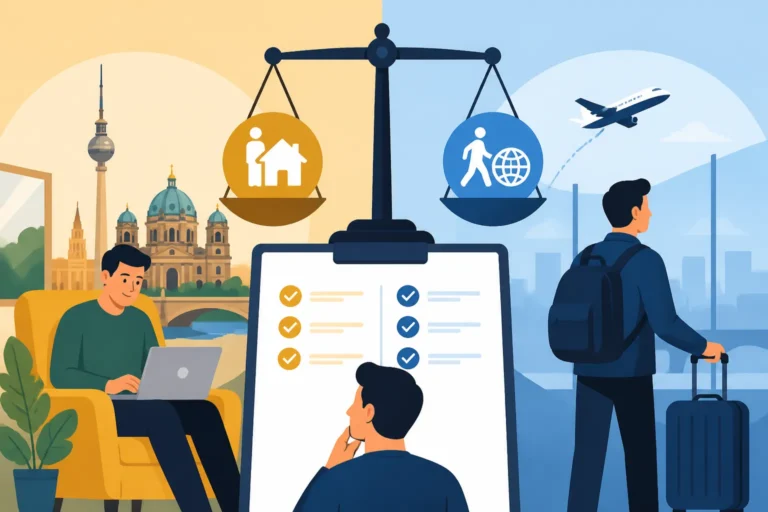
Weighing Your Options: When the Deutschlandticket (via Omio) is Worth It vs. When it's Not
Making the most of your German adventure means making smart choices about transport. The Deutschlandticket, especially when easily accessible through Omio, is a powerful tool, but it's not a one-size-fits-all solution. Let's break down when it's your travel buddy and when other options might be better.
Advantages for Short-Stay Visitors (with Omio)
For the international traveler, leveraging the Deutschlandticket via Omio offers some significant perks:
- Cost-Effectiveness for Multi-Region Exploration: If your itinerary involves hopping between a few different cities or regions, relying on regional and local transport, the €49 price tag can be an incredible saver. Imagine going from Cologne to Düsseldorf, then perhaps a day trip to Bonn, all while using the local transport in each city. The individual tickets for those journeys would quickly exceed €49. It’s ideal for How to Travel Between German Cities Without a Car if you're not in a hurry.
- Simplicity and Stress-Free Travel: Once you have that digital ticket from Omio, you're free. No more figuring out which zone you're in, which ticket to buy, or worrying about stamping it correctly. You just show your digital ticket if asked. This freedom is priceless, particularly in a foreign country where language barriers might make ticket purchases daunting.
- Extensive Coverage within Local Networks: Exploring a large city like Berlin, Munich, or Hamburg? The Deutschlandticket gives you unlimited access to their entire U-Bahn, S-Bahn, tram, and bus networks. You can explore every corner without a second thought about the cost of each ride. This is especially useful in Germany's Great Cities: Berlin, Munich, Hamburg, and Beyond where public transport is extensive.
- Last-Minute Flexibility: Decided on a whim to take a spontaneous day trip to a nearby town? With the Deutschlandticket, you can just hop on the next regional train without an extra purchase. This kind of flexibility truly enhances your travel experience.
Disadvantages and Alternatives
Despite its allure, the Deutschlandticket isn't always the perfect fit. Knowing its limitations helps you choose wisely:
- Monthly Cost, Even for Short Use: Remember, it's a monthly ticket. While Omio makes cancellation easy, if you're only in Germany for 2-3 days at the very end of a month and then leave, you still pay the full €49. You'd need to assess if those few days of travel justify the cost compared to individual day passes or single tickets.
- Slower Travel for Long Distances (No ICE): This is the biggest trade-off. If your German adventure is about quickly moving from, say, Hamburg to Munich, bypassing the ICE means significantly longer journey times, potentially doubling or tripling your travel duration. Sometimes, time is more valuable than money, and the speed of an ICE might be worth the extra cost. For those instances, you'll still be looking at regular DB tickets.
- Not Ideal for Purely Single-City, Very Short Trips: If you're spending only 1-2 days in one city and plan to walk a lot, or only take a couple of rides, a single-ride ticket or a 24-hour pass might be cheaper. For example, a single journey in Berlin is €3, a day pass is around €9. If you only take 3-4 rides, it's cheaper to buy individual tickets.
Alternatives to Consider:
- Single Journey Tickets: For very infrequent use or short trips, just buying a ticket for each ride is often the simplest and cheapest.
- 24-Hour (or 48/72-hour) Day Passes: Most major cities offer these. If you're exploring one city intensively for a day or two, these can be excellent value.
- Weekly Passes: Some cities offer weekly passes that might be more cost-effective if you're staying in one place for 5-7 days and the D-Ticket isn't quite right for your overall itinerary.
- Deutsche Bahn (DB) Tickets for High-Speed Travel: If you prioritize speed, buying a direct ICE ticket through the DB Navigator app or website is necessary. Look into booking these in advance for better prices.
- Long-Distance Buses: For budget-conscious travel between cities that the Deutschlandticket doesn't cover (due to being too far for regional trains or no direct regional connection), FlixBus and similar services are a viable alternative, often quite cheap if booked ahead.
Here's a quick comparison table to help you decide:
| Feature | Deutschlandticket (via Omio) | Single/Day Tickets (Local) | ICE Tickets (Deutsche Bahn) |
|---|---|---|---|
| Cost | €49/month (full month charged) | Varies greatly (e.g., €3-€10 per ride/day) | Varies greatly (€20-€150+ depending on route/booking) |
| Coverage | All regional/local transport nationwide | Specific city/zone or single journey | Specific long-distance route |
| Speed | Slower (regional trains) | Local speed (U-Bahn, bus, tram) | Fastest (high-speed inter-city) |
| Flexibility | High (unlimited use, explore freely) | Low (per trip/day), but can be flexible for short use | Low (specific train/seat) |
| Purchase Method | Online via Omio (easy for tourists) | Ticket machines, app, driver | DB website/app, ticket counter |
| Cancellation for Tourists | Easy via Omio (crucial for short stays) | N/A (single use) | Dependent on fare type, usually more complex |
| Best For | Multi-city regional travel, intensive city exploration | Short, infrequent local trips | Fast travel between major cities |
Remember, the goal is a seamless, enjoyable trip. With Omio making the Deutschlandticket accessible, you now have a fantastic option to explore Germany extensively and affordably using its incredible public transport network.
So, if you're eyeing a trip to Germany and want to explore beyond just one city, or truly dive deep into a particular region, the Deutschlandticket, purchased simply and flexibly through Omio, is an absolute game-changer. It takes the stress out of transport logistics, letting you focus on soaking in the sights, sounds, and Gemütlichkeit of Germany. Happy travels!
Disclaimer
The information provided in this guide is for general informational purposes only and does not constitute professional advice. While we strive to keep the content up-to-date and accurate, transport policies, ticket prices, and cancellation terms can change. It is always recommended to check the latest information directly with the transport providers or Omio before making any travel decisions. We are not responsible for any issues arising from relying on this information.