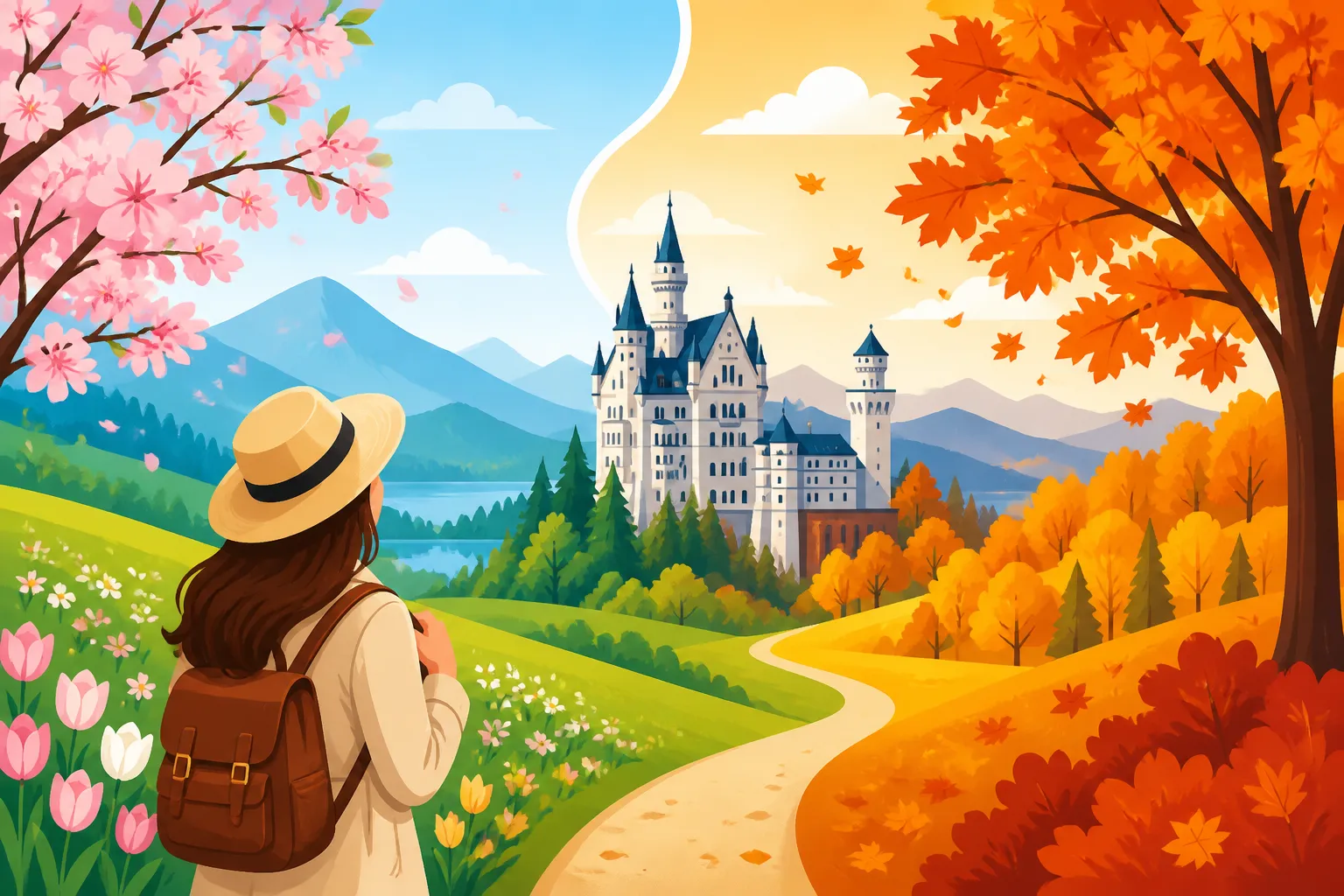
Spring and Autumn in Germany: The Best Travel Seasons
Planning a trip to Germany can feel like a high-stakes game of roulette, especially when you're trying to figure out the "perfect" time to visit. With scorching summers and often brutally cold, dark winters, it's easy to worry about landing in the wrong season and having your grand adventure dampened by extreme weather or overwhelming crowds. This comprehensive guide is here to tell you that two seasons consistently deliver the most magical, authentic, and comfortable German experience: spring and autumn. Forget the peak season frenzy or the winter chill, and discover why these shoulder seasons are truly Germany's best-kept travel secret.
Disclosure: This post may contain affiliate links. We may earn a commission at no extra cost to you if you make a purchase through these links. Read full disclosure.
Why Spring and Autumn Shine for Travel in Germany
As an expat who has weathered more than a few German seasons, I can tell you firsthand that while summer has its appeal and winter its cozy charm, it’s spring and autumn that truly capture the essence of Germany without the typical tourist headaches. These are the sweet spots, the times when the country reveals its beauty with a generous hand, without demanding you fight tooth and nail for every experience.
Escaping the Crowds and High Season Prices
Let's be real, no one enjoys jostling through throngs of tourists or paying exorbitant prices for a mediocre room. That's the harsh reality of peak summer travel in Germany. By opting for spring or autumn, you sidestep much of this. You'll find popular attractions, from the Brandenburg Gate to Neuschwanstein Castle, are far more accessible and enjoyable. Instead of feeling rushed, you can linger, soak in the atmosphere, and truly appreciate the history and grandeur around you.
Imagine strolling through a quiet museum, having a peaceful moment to admire a masterpiece, rather than being herded past it. Or finding a seat at a picturesque cafe overlooking the Rhine without a half-hour wait. This relaxed pace extends to practical matters too. Accommodation, while still requiring some foresight for popular dates, generally comes at a more reasonable price point outside of summer. Flights can be cheaper, and even local experiences feel less commercialized. It's a genuine relief not to constantly feel like you're part of a human conveyor belt.
The Magic of German Weather and Nature
Germany's natural beauty truly comes alive in spring and autumn, offering a completely different, yet equally breathtaking, tableau than the extremes of other seasons.
Spring (March-May) is a time of vibrant reawakening. After the long, grey winter, the country explodes with color. Think delicate cherry blossoms painting city streets in shades of pink and white, especially in places like Bonn, turning mundane areas into Instagram-worthy vistas. The fields burst into brilliant yellow as rapeseed flowers bloom, and the forests don bright green new leaves. The air is crisp and invigorating, the kind that makes you want to get out and explore. While you might still encounter a chilly day or a sudden April shower (German springs are famously unpredictable!), the general trend is towards mild, pleasant temperatures perfect for sightseeing without breaking a sweat.
Autumn (September-November), particularly the "Golden October," is an absolute spectacle. The dense German forests, which cover a significant portion of the country, transform into a fiery palette of reds, oranges, and golds. The air takes on a wonderfully crisp quality, perfect for long walks or cozy evenings. It's cool enough for comforting traditional German food but often sunny enough to still enjoy outdoor activities. The light is often softer, more diffused, making for incredible photography opportunities. You get to witness nature's grand finale before winter's quiet slumber, and it's truly a sight to behold. This season offers a comfortable middle ground, where you can pack layers and be ready for anything from a sunny afternoon to a frosty morning.
Spring in Germany: A Time of Reawakening (March-May)
Oh, spring in Germany! After battling the seemingly endless grey of winter, there's nothing quite like that first burst of sunshine and the sight of green pushing through the soil. It's a season of hope, fresh beginnings, and a wonderfully gentle introduction to the German landscape and lifestyle.
Weather Expectations and Packing Tips for Spring
As a seasoned expat, let me tell you, German spring weather is a bit like a moody teenager: unpredictable but full of charm. You can absolutely expect mild, pleasant days, often hovering around 10-20°C (50-68°F), perfect for outdoor exploration. However, don't be fooled by a sunny morning! It's famous for its sudden shifts, so you might experience a brisk wind or a quick, refreshing downpour later in the day. "April, April, der macht was er will" (April, April, it does what it wants) is a common saying for a reason.
Packing for spring is all about layers, my friend. Think versatile pieces you can easily add or shed:
- A waterproof and windproof jacket is non-negotiable. It doesn't have to be heavy, just functional.
- Sweaters or cardigans are perfect for cooler mornings or evenings.
- Long-sleeved tops and t-shirts for layering.
- Comfortable walking shoes that are also water-resistant are a must. You'll be doing a lot of walking, trust me.
- A scarf can be your best friend, offering warmth when needed and easily tucked away.
- An umbrella is also a smart addition, though many cafes and shops will have cheap ones for sale if you get caught out.
Don't forget sunglasses, as those spring sunbeams can be surprisingly bright! In cities like Berlin or Munich, you might experience cooler temperatures due to their continental climate, while areas along the Rhine or further south in Baden-Württemberg often enjoy slightly milder conditions earlier in the season.
Festivals and Events That Blossom in Spring
Spring sees Germany shaking off its winter slumber and bursting into a vibrant array of festivals and traditions. It's a fantastic time to witness local life coming alive.
One of the earliest and most significant celebrations is Easter (Ostern). While the dates shift each year, it typically falls in late March or April. Beyond the chocolate bunnies, you'll find beautifully decorated Easter trees (Osterbäume) adorned with painted eggs, especially in Franconia, and charming Easter markets selling crafts and regional delicacies. Many towns light traditional Easter bonfires, symbolizing the driving away of winter. If you're here around this time, be prepared for many shops to be closed on Good Friday and Easter Monday, but the festive atmosphere more than makes up for it. Dive into the unique celebrations by reading up on German Easter and Spring Traditions.
As spring progresses, Germans eagerly await the arrival of Spargelzeit (asparagus season). From late April to June 24th, this white gold takes center stage. Restaurants dedicate entire menus to asparagus dishes, and local villages host "Spargelfest" celebrations, often with a "Spargelkönigin" (Asparagus Queen). It's a genuinely delicious and culturally immersive experience. You'll see farmers selling fresh asparagus by the roadside everywhere – it's a huge deal!
Then there are the numerous Frühlingsfeste (Spring Festivals). These are essentially smaller, less boisterous versions of Oktoberfest, often with beer tents, carnival rides, and delicious food stalls. They're a fantastic way to experience local German revelry without the overwhelming crowds of the autumn beer festivals. Many cities also host charming Maypole (Maibaum) celebrations on May 1st, where communities erect beautifully decorated poles, often accompanied by dancing and traditional music.
Activities and Destinations Ideal for Spring Visits
Spring in Germany is perfectly suited for activities that involve being outdoors and enjoying the fresh air, often before the summer heat truly sets in.
City breaks are a joy in spring. Imagine exploring the historic streets of Dresden, strolling along the canals in Hamburg, or discovering Berlin's vibrant neighborhoods with fewer crowds and comfortable walking temperatures. Outdoor cafes, which have been shuttered for months, eagerly reopen their terraces, inviting you to enjoy a Kaffee und Kuchen (coffee and cake) while people-watching.
Nature lovers will adore the opportunity to visit Germany's countless gardens and parks. Places like the Mainau Island (Flower Island) on Lake Constance become a riot of tulips, daffodils, and rhododendrons. The Schloss Dyck in Jüchen or the Sanssouci Park in Potsdam offer breathtaking floral displays and picturesque landscapes perfect for leisurely strolls.
For a truly iconic experience, consider a Rhine Valley cruise. In spring, the vineyards along the river start to green up, and the fairytale castles loom majestically without the summer haze. The boats are less packed, allowing for a more serene experience as you drift past charming villages and dramatic scenery. It's a wonderful way to experience The Rhine Valley: Castles, Wine, and River Towns at its most tranquil. If you're looking for broader exploration, consider adding some Day Trips and Weekend Getaways Across Germany to your itinerary, as many popular destinations are particularly appealing in the mild spring weather.
Autumn in Germany: Golden Hues and Harvest Feasts (September-November)
If spring is Germany's gentle awakening, then autumn is its glorious, golden farewell to warmth. It's a season that wraps you in a cozy embrace, inviting you to savor rich flavors, crisp air, and some of the most stunning natural scenery you'll ever encounter.
Weather Expectations and Packing Tips for Autumn
German autumn is generally much more stable and predictable than spring, offering consistently pleasant weather, particularly in September and early October. Temperatures typically range from a comfortable 8-18°C (46-64°F), often accompanied by brilliant sunshine, creating what locals lovingly call "Indian Summer" or "Golden October." The air is wonderfully crisp and clear, perfect for outdoor activities.
As you move into late October and November, temperatures will drop, and you should expect more grey days, potential for rain, and even the first dustings of snow in higher elevations, especially towards the end of the season.
Packing for autumn again emphasizes layers, but leaning towards warmer ones:
- A good quality, warm, and waterproof jacket is essential.
- Sweaters, fleeces, and thermal tops will be your best friends, especially for evenings.
- Jeans or warmer trousers.
- Waterproof and comfortable walking boots are highly recommended, particularly if you plan on hiking or exploring rural areas.
- Hats, scarves, and gloves become necessary as the season progresses, especially in the mornings and evenings.
- Don't forget that trusty umbrella!
In Bavaria or the Black Forest, you'll definitely want to err on the side of warmth, as mountain regions can get quite chilly, quite quickly. Cities will be a bit milder, but still require proper layering.
Unmissable Autumn Festivals and Traditions
Autumn in Germany is synonymous with harvest and celebration, particularly centered around wine and beer.
The most famous, of course, is Oktoberfest in Munich. While its name suggests October, it actually kicks off in mid-September and runs into the first weekend of October. It's an experience of a lifetime, with massive beer tents, traditional food, and a palpable sense of Bavarian merriment. However, be warned: it's incredibly crowded and expensive. If you're thinking of going, prepare well in advance and definitely check out Oktoberfest in Munich: A First-Timer's Guide. If the sheer scale of Oktoberfest feels daunting, don't worry, there are plenty of smaller, equally charming beer festivals (Volksfeste) happening across the country in early autumn.
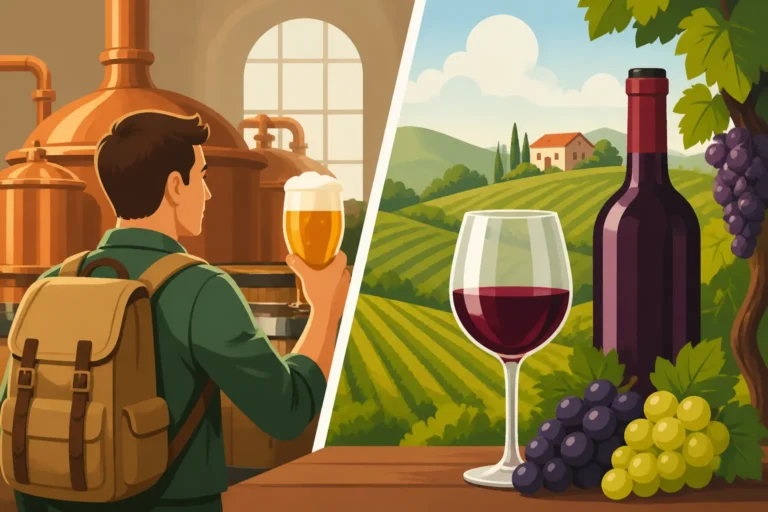
For those who prefer grapes to hops, autumn is Weinfest (wine festival) season. Germany's renowned wine regions, like the Moselle, Rhine, and Baden, come alive with celebrations of the grape harvest. You'll find stands selling local wines (including the young, sweet "Federweißer" – partially fermented wine), hearty regional food, and a wonderfully convivial atmosphere. These festivals are a fantastic way to immerse yourself in German Wine Regions: Riesling and Beyond and try delicious local produce. Many smaller towns also host Local Folk Festivals (Volksfeste) in Germany around harvest time, celebrating everything from pumpkins to onions.
Later in the autumn, you might encounter Erntedankfest (Harvest Thanksgiving), a religious holiday celebrated in early October with parades and church services giving thanks for the harvest. As October turns into November, keep an eye out for St. Martin's Day (Martinstag) on November 11th, particularly if you're traveling with children. Kids participate in lantern parades, often singing songs, commemorating St. Martin who shared his cloak with a beggar. It's a heartwarming sight, especially in smaller towns.
Top Activities and Destinations for Fall Exploration
Autumn's crisp air and stunning scenery make it ideal for active exploration, particularly in Germany's beautiful natural landscapes.
This is the absolute prime time for hiking in Germany. Regions like the Black Forest, the Bavarian Alps, the Harz Mountains, or the Saxon Switzerland National Park are transformed into breathtaking tapestries of color. Imagine traversing trails under a canopy of golden leaves, with fresh air filling your lungs and panoramic views at every turn. Many hiking trails are well-marked, and you can find options for all fitness levels. To make the most of it, delve into Hiking in Germany: The Black Forest, Alps, and Beyond.
Visiting Germany's wine regions like the Moselle Valley or the Rhinegau is an absolute must in autumn. Not only can you partake in the aforementioned Weinfeste, but you can also enjoy picturesque drives or bike rides through rolling vineyards. Many wineries offer tastings right at the source, allowing you to learn about and sample the local produce. The Moselle and German Wine Country is particularly enchanting with its steep slopes and charming riverside towns.
Finally, exploring Germany's fairytale castles takes on an even more dramatic flair against the backdrop of vibrant autumn foliage. Neuschwanstein, Hohenzollern, or Eltz Castle appear even more magnificent surrounded by a riot of reds and golds. With fewer crowds than in summer, you can often enjoy a more intimate visit, allowing the history and legend of these structures to truly sink in. Don't miss the chance to see Germany's Best Castles: Neuschwanstein and Beyond in their most picturesque setting.
Navigating German Travel in Spring and Autumn
Traveling around Germany in the shoulder seasons is generally a smoother experience than peak summer, but a little planning still goes a long way. Public transport is excellent, and while things might be a tad quieter, all essential services are running.
Transportation and Booking Strategies
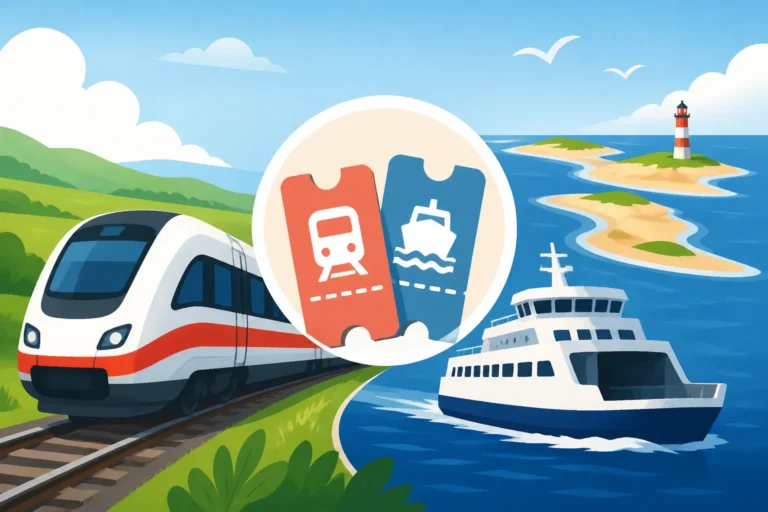
Germany boasts an incredibly efficient and extensive public transportation network. The Deutsche Bahn (DB) is your best friend for intercity travel, connecting major cities and even smaller towns with high-speed (ICE) and regional trains. Booking your train tickets in advance, especially for ICE services, can lead to significant savings. Keep an eye out for Sparpreis (saver fare) tickets, which are released months ahead. The DB Navigator app is indispensable for checking schedules and buying tickets on the go. You can find out more about how to navigate the train system in How to Buy Deutsche Bahn Tickets and Save Money.
For shorter distances or exploring within cities, you'll rely on local networks of U-Bahns (subways), S-Bahns (suburban trains), trams, and buses. These are generally very reliable, punctual, and clean. Consider day passes or weekly passes if you plan on doing a lot of sightseeing within a city. Learn the ins and outs of Getting Around German Cities: U-Bahn, S-Bahn, Trams, and Buses to save yourself some stress.
While car rental is always an option, especially if you plan on exploring more rural areas or embarking on scenic drives (like the Romantic Road in autumn), Germany's public transport is so good that it's often not necessary. However, if you do decide to rent, remember that German roads are generally well-maintained, and traffic laws are strictly enforced.
For comparing various transport options – trains, buses, or even carpooling – and finding the best routes, especially between cities or even across borders, a platform like Omio can be incredibly helpful. It aggregates different providers, making it easy to see all your choices in one place, saving you time and effort.
Accommodation Choices and Finding the Best Deals
Germany offers a vast range of accommodation options to suit every budget and travel style. In spring and autumn, you'll generally find more availability and slightly better prices compared to the summer crush.
- Hotels: From budget-friendly chains to luxurious five-star establishments, you'll find hotels in every city and town.
- Pensionen: These are often family-run guesthouses, particularly prevalent in smaller towns and rural areas, offering a more personal touch and often excellent value.
- Ferienwohnungen (vacation rentals): Ideal for longer stays or for families, these self-catering apartments provide more space and flexibility.
- Hostels: Great for solo travelers or budget-conscious groups, found in most major cities.
Popular booking platforms like Booking.com are invaluable tools for finding and comparing accommodation options. You can filter by price, location, amenities, and read reviews from other travelers. While prices are generally lower in spring and autumn, it’s still wise to book well in advance, especially if your trip coincides with a major local festival or a public holiday weekend, as these can fill up quickly. For a deeper dive into your options, check out Accommodation in Germany: Hotels, Pensionen, and Hostels. And if you ever find yourself in a pinch, don't forget to consult resources on How to Find Last-Minute Accommodation in Germany.
Local Experiences and Guided Tours
Even for seasoned expats, sometimes a local perspective is exactly what you need to unlock a truly unique experience. Spring and autumn are fantastic times for guided tours, as group sizes tend to be smaller, allowing for more interaction and a less rushed pace.
Platforms like GetYourGuide offer a vast selection of tours, from city walking tours focused on history or street art, to food tours exploring regional delicacies, or even day trips to castles or natural parks. Imagine a guided hike through the autumnal Black Forest with an expert pointing out local flora and fauna, or a springtime beer tasting tour in Bavaria where you learn about the brewing process directly from a local. These can provide incredible insights into local culture and history that you might miss on your own. They can also be particularly beneficial for exploring specific regional food and drink, which vary greatly across Germany.
These seasons are also perfect for simply wandering through a local Wochenmarkt (weekly market), where farmers and artisans sell fresh produce, cheeses, meats, and crafts. It's a sensory feast and a great way to sample authentic German flavors and mingle with locals. This is a brilliant opportunity to experience German Food Culture: Eating and Drinking as a Visitor in its freshest and most authentic form.
Practical Tips for a Smooth Spring or Autumn Trip
Making the most of your German adventure means being prepared for a few local quirks and embracing the cultural nuances. Trust me, a little bit of foresight can save you a lot of hassle.
Language and Communication
While you'll find English speakers in major tourist hubs, international hotels, and among younger generations, venturing into smaller towns or engaging in more authentic local experiences will require a bit of German. Don't let this intimidate you! Germans generally appreciate any effort to speak their language, even if it's just a few phrases. Knowing basic greetings like "Guten Tag" (Good day), "Bitte" (Please), "Danke" (Thank you), and "Entschuldigung" (Excuse me/Sorry) goes a very long way.
Having a translation app on your phone can be a lifesaver for reading menus or understanding signs. However, nothing beats being able to ask for directions or order a coffee in German. For essential phrases to help you get by, check out Survival German for Travelers: Key Phrases to Learn First. And remember, while many people speak English, don't assume everyone does, especially in less touristy areas. It's always helpful to gauge the situation rather than simply launching into English. For a clearer picture, look into Do People Speak English in Germany's Tourist Areas?.
Embracing German Culture and Etiquette
German culture has a reputation for being direct and punctual, and it's largely true! Being on time for appointments or dinner reservations is highly valued. When meeting people, a firm handshake is common. It's also worth noting the distinction between "Du" (informal "you") and "Sie" (formal "you") – when in doubt, "Sie" is always the safe bet with strangers or in formal settings.
One aspect that often surprises newcomers is Ruhezeit (quiet hours). These are typically enforced in residential areas during specific times (e.g., 1 PM to 3 PM for Mittagspause, and 10 PM to 7 AM at night, all day Sunday and public holidays). This means avoiding loud activities like vacuuming, drilling, or even excessive noise in apartment buildings. This respect for quiet is deeply ingrained. If you're staying in an apartment or B&B, be mindful of this. For a comprehensive understanding, consult Quiet Hours and Sundays in Germany (Ruhezeit).
Another point of cultural note is payment. While card payments are becoming more widespread, Germany is still very much a cash society, particularly outside of major cities. Many smaller shops, bakeries, or traditional restaurants might prefer or even only accept cash. Always carry some euros with you to avoid awkward situations. Read more about this in Cash vs Card in Germany: What Visitors Should Know.
What to Expect from Services and Shops
Germany's strict Sunday trading laws mean that most shops, including supermarkets, are closed on Sundays and public holidays. This can be a bit of a culture shock if you're used to 24/7 shopping! Plan your grocery runs accordingly. You might find some exceptions at major train stations or airports, which often have smaller supermarkets and shops open.
Pharmacies (Apotheken) operate with standard business hours, but there's always an emergency pharmacy (Notdienst-Apotheke) available after hours and on weekends. You'll usually find a sign on the door of any pharmacy directing you to the nearest open one.
When it comes to dining, it's often a good idea to make reservations for popular restaurants, especially on weekend evenings, even in spring and autumn. While spontaneous dining is often possible, securing a table ensures you won't be disappointed, particularly in larger cities or during popular festival times.
Comparative Table: Spring vs. Autumn Travel in Germany
| Feature | Spring (March-May) | Autumn (September-November) |
|---|---|---|
| Weather | Mild, often sunny, but can be unpredictable (rain, wind). Average 10-20°C. Flowers blooming. | Crisp, often sunny, more stable than spring. Average 8-18°C. Stunning fall foliage. |
| Crowds | Moderate, increasing towards May. Fewer than summer. | Moderate, increasing in early autumn (Oktoberfest, wine festivals). Fewer than summer. |
| Prices | Generally lower than summer, rising towards May. | Generally lower than summer, but can spike for specific festivals. |
| Nature & Scenery | Fresh green, cherry blossoms, vibrant flowers. Gardens and parks are highlights. | Golden foliage, colorful forests, misty mornings. Vineyards are particularly beautiful. |
| Key Festivals/Events | Easter, Spargelzeit (asparagus season), Frühlingsfeste (spring festivals), Maypole celebrations. | Oktoberfest, Weinfeste (wine festivals), Erntedankfest (harvest festival), St. Martin's Day. |
| Best Activities | City exploration, garden visits, Rhine cruises, light hiking. | Hiking (especially for foliage), wine tasting, castle visits, cozy cafe culture. |
| Pros | Sense of renewal, moderate temperatures, fewer crowds than summer, fresh produce. | Stunning natural beauty, hearty food, wine harvest, good hiking conditions. |
| Cons | Unpredictable weather, some attractions may still be in "winter hours" early on. | Can get chilly and rainy later in the season, Oktoberfest can be overwhelming. |
Disclaimer
Please remember that while I strive to provide the most current and accurate information based on my experience and available resources, travel regulations, opening hours, and local customs can change. Always verify details with official sources, particularly for visa requirements, specific event dates, and local government advice, before and during your trip to Germany. Safe travels!